
• Research
  • Emissary
  • About
  • Experts
Carnegie Global logoCarnegie lettermark logo
DemocracyIran
  • Donate
{
  "authors": [],
  "type": "pressRelease",
  "centerAffiliationAll": "dc",
  "centers": [
    "Carnegie Endowment for International Peace"
  ],
  "collections": [],
  "englishNewsletterAll": "menaTransitions",
  "nonEnglishNewsletterAll": "",
  "primaryCenter": "Carnegie Endowment for International Peace",
  "programAffiliation": "MEP",
  "programs": [
    "Middle East"
  ],
  "projects": [],
  "regions": [
    "Bahrain",
    "Kuwait",
    "Qatar",
    "Saudi Arabia",
    "United Arab Emirates"
  ],
  "topics": []
}
REQUIRED IMAGE

REQUIRED IMAGE

Press Release

Gulf Economies Must Diversify to Weather Crisis

To meet long-term domestic challenges, oil-producing Gulf States should focus on improving economic governance to better manage diminishing oil revenues and attract foreign investment.

Link Copied
Published on Mar 19, 2009
Program mobile hero image

Program

Middle East

The Middle East Program in Washington combines in-depth regional knowledge with incisive comparative analysis to provide deeply informed recommendations. With expertise in the Gulf, North Africa, Iran, and Israel/Palestine, we examine crosscutting themes of political, economic, and social change in both English and Arabic.

Learn More

BEIRUT, Mar 18—Oil-producing Gulf states squandered the opportunity to make much needed economic reforms when high oil revenues would have made the task easier. Now, reduced oil revenues and global economic uncertainty make it imperative that they develop competitive, diversified economies, concludes a new paper from the Carnegie Middle East Center.

Ibrahim Saif explains that the top priority for the Gulf Council Cooperation (GCC) countries—Saudi Arabia, Bahrain, Kuwait, Oman, Qatar, and the UAE—should be improving economic governance to better manage existing oil revenues and attract foreign direct investment (FDI). With a comfortable cushion of foreign reserves, the risk for short-term instability is low; however, the current system of low taxes and generous public spending is unsustainable.

Recommendations for GCC countries:

  • Improve minimum wage standards and working conditions to attract more domestic employment and reduce dependence on immigrant labor.
  • Regionally concentrate on growth in non-oil sectors to avoid duplication in areas like finance and tourism.
  • Encourage foreign direct investment through better economic and corporate regulation, including greater transparency in public spending and easier access to credit.

Saif concludes:

“Despite nearly six years in which high oil revenues created favorable macroeconomic conditions in the GCC countries, they were still not able to tackle their long-term economic challenges. The oil windfall actually pushed back attempts to address these challenges, and the global financial crisis has reminded GCC policymakers that structural challenges must be addressed at a time when macroeconomic conditions are favorable and not when the economies are slowing down.”

###


NOTES

  • Direct link to the PDF: www.carnegieendowment.org/files/cmec15_saif_final.pdf
  • Direct link to the Arabic PDF: www.carnegieendowment.org/files/cmec15_saif_final_arabic.pdf
  • Ibrahim Saif is a resident scholar in economic policy at the Carnegie Middle East Center in Beirut, Lebanon. He specializes in the political economy of the Middle East. He has served as a consultant to international organizations such as the World Bank, the International Monetary Fund, and the International Labor Organization. He is a fellow with the Economic Research Forum and a member of the Global Development Network. Before joining Carnegie, Saif was the director of the Center for Strategic Studies at the University of Jordan.
  • The Carnegie Middle East Center based in Beirut, Lebanon, aims to better inform the process of political change in the Middle East.
  • The Carnegie Middle East Program provides analysis and recommendations in both English and Arabic that are deeply informed by knowledge and views from the region.
  • Carnegie's Arab Reform Bulletin has been transformed into a full featured website that offers greatly enhanced search functionality, the option for readers to comment on articles, and frequent news updates.
  • Press Contact: Trent Perrotto, 202/939-2372, tperrotto@ceip.org
BahrainKuwaitQatarSaudi ArabiaUnited Arab Emirates

Carnegie does not take institutional positions on public policy issues; the views represented herein are those of the author(s) and do not necessarily reflect the views of Carnegie, its staff, or its trustees.
More Work from Carnegie Endowment for International Peace

  • Commentary
    Diwan
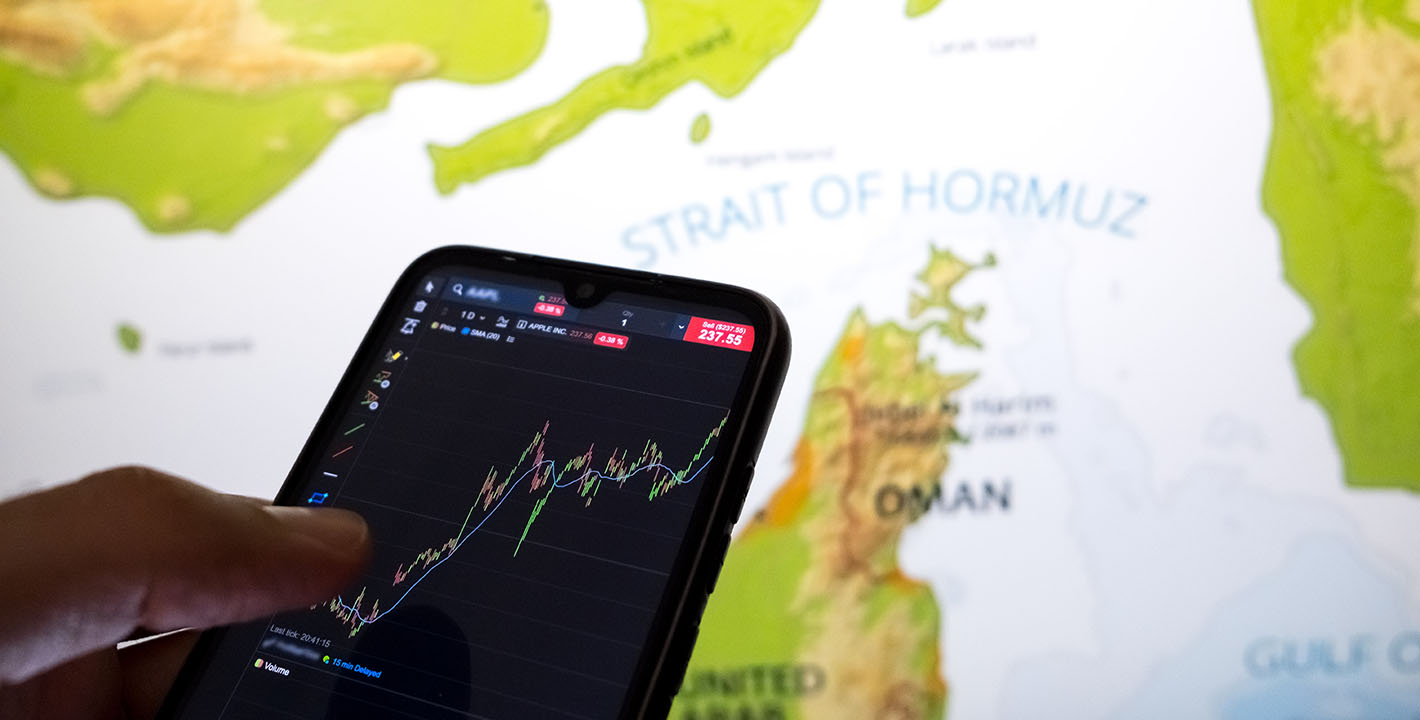
    What Does the Strait of Hormuz’s Closure Mean?

    In an interview, Roger Diwan discusses where the global economy may be going in the third week of the U.S.-Israeli war with Iran.
      Nur Arafeh
  • Commentary
    Diwan
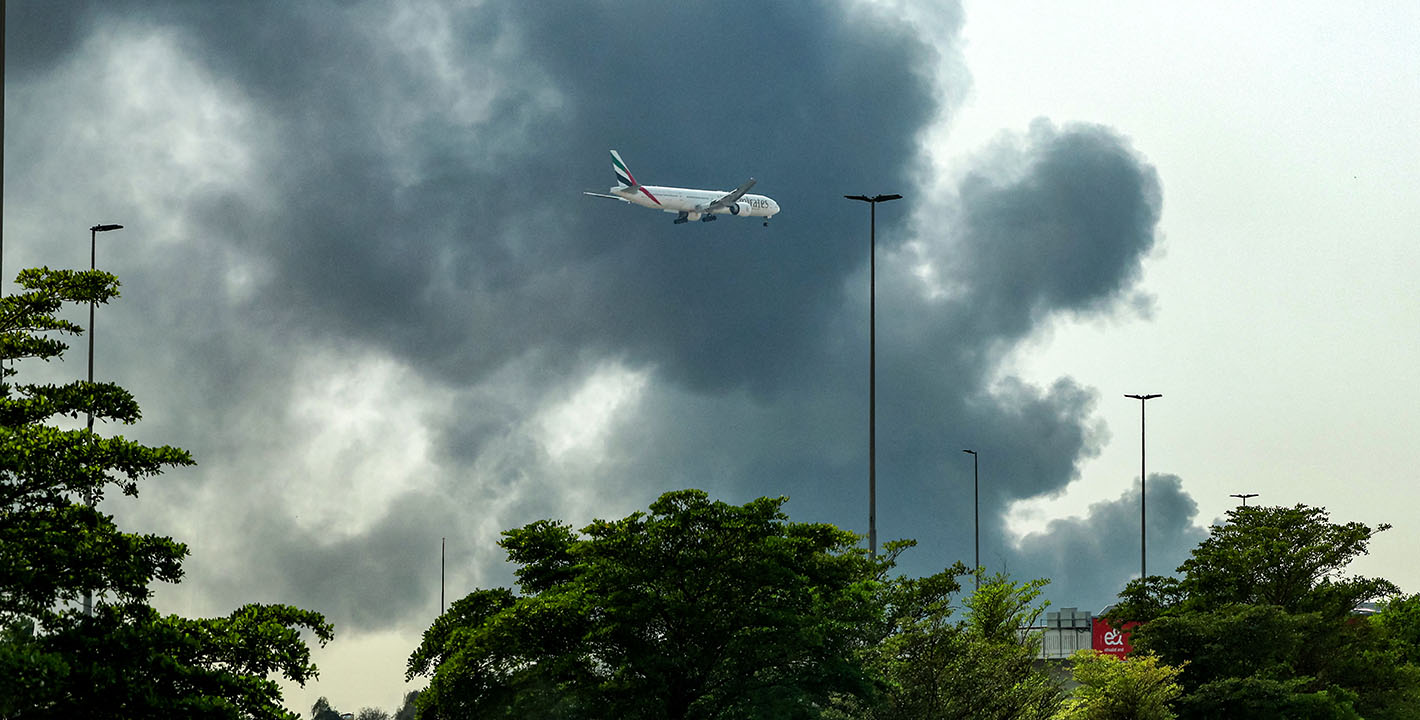
    Tehran’s Easy Targets

    In an interview, Andrew Leber discusses the impact the U.S. and Israeli war against Iran is having on Arab Gulf states.

      Michael Young
  • Commentary
    Diwan
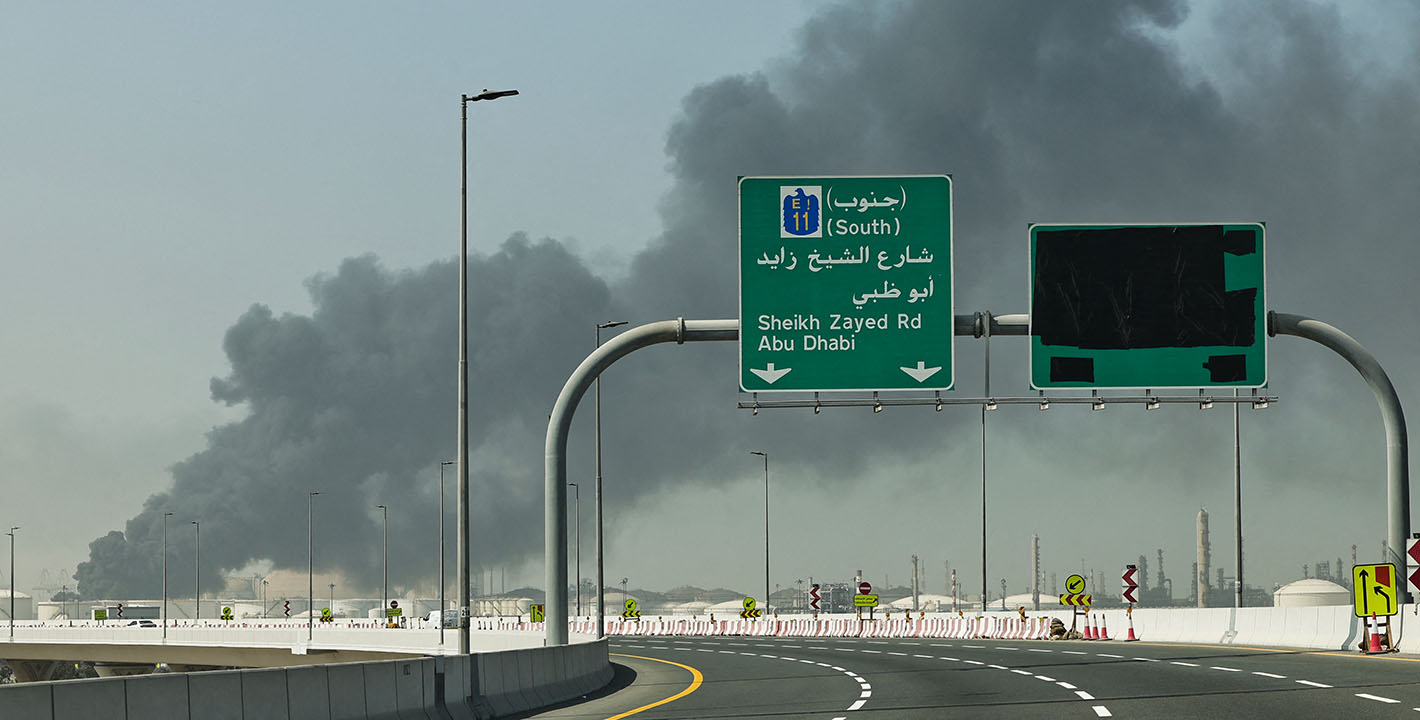
    Shockwaves Across the Gulf

    The countries in the region are managing the fallout from Iranian strikes in a paradoxical way.

      • Angie Omar

      Angie Omar

  • Commentary
    Diwan
    The U.S. Risks Much, but Gains Little, with Iran

    In an interview, Hassan Mneimneh discusses the ongoing conflict and the myriad miscalculations characterizing it.

      Michael Young
  • Satellite of a damaged oil refinery
    Commentary
    Emissary
    Iran Is Pushing Its Neighbors Toward the United States

    Tehran’s attacks are reshaping the security situation in the Middle East—and forcing the region’s clock to tick backward once again.

      Amr Hamzawy

Get more news and analysis from
Carnegie Endowment for International Peace
Carnegie global logo, stacked
1779 Massachusetts Avenue NWWashington, DC, 20036-2103Phone: 202 483 7600Fax: 202 483 1840
  • Research
  • Emissary
  • About
  • Experts
  • Donate
  • Programs
  • Events
  • Blogs
  • Podcasts
  • Contact
  • Annual Reports
  • Careers
  • Privacy
  • For Media
  • Government Resources
Get more news and analysis from
Carnegie Endowment for International Peace
© 2026 Carnegie Endowment for International Peace. All rights reserved.