

Q&A
Aaron David Miller, Karim Sadjadpour, Robin Wright
{
  "authors": [
    "Karim Sadjadpour"
  ],
  "type": "legacyinthemedia",
  "centerAffiliationAll": "dc",
  "centers": [
    "Carnegie Endowment for International Peace"
  ],
  "collections": [],
  "englishNewsletterAll": "menaTransitions",
  "nonEnglishNewsletterAll": "",
  "primaryCenter": "Carnegie Endowment for International Peace",
  "programAffiliation": "MEP",
  "programs": [
    "Middle East"
  ],
  "projects": [],
  "regions": [
    "North America",
    "United States",
    "Middle East",
    "Iran"
  ],
  "topics": [
    "Political Reform",
    "Foreign Policy"
  ]
}
Source: Getty
In a twist to the case of Iranian-American journalist Roxana Saberi, Iranian President Mahmoud Ahmadinejad has called for her rights to be respected, following her eight year sentencing on charges of espionage.
Source: NewsHour with Jim Lehrer

He explains that Ahmadinejad is "in a delicate position. [O]n one hand, his most powerful clerical backers believe that it is one of the fundamental pillars of the revolution, and one of central identities of the Islamic republic to retain an adversarial relationship with the United States. On the other hand, it is an election year and two months from now he is up for re-election and he is presiding over a very young population which is overwhelmingly in favor of a normalization of relations with the United States. So I think we are going to continue to see these inconsistencies with Ahmadinejad. One week he is going to denounce the United States, the next week maybe he is going to send more favorable signals. [I] can see a scenario whereby he comes out and pardons her to project this magnanimous image, as he did with the British sailors two years ago."

Senior Fellow, Middle East Program
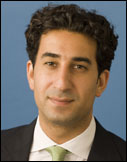
Karim Sadjadpour is a senior fellow at the Carnegie Endowment for International Peace, where he focuses on Iran and U.S. foreign policy toward the Middle East.
Recent Work


Aaron David Miller, Karim Sadjadpour, Robin Wright
Aaron David Miller, David Petraeus, Karim Sadjadpour
Carnegie does not take institutional positions on public policy issues; the views represented herein are those of the author(s) and do not necessarily reflect the views of Carnegie, its staff, or its trustees.
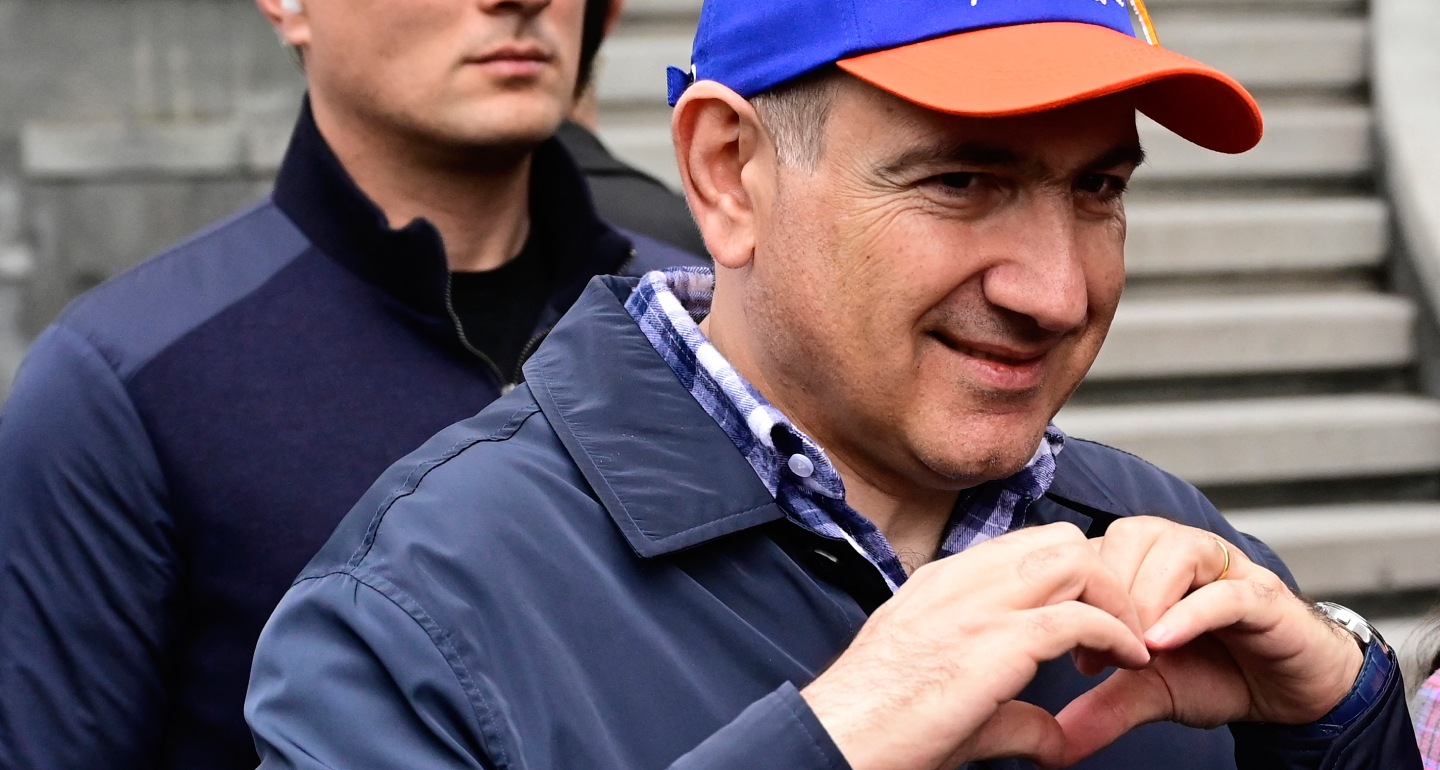
By fueling the arguments of both supporters and opponents of Armenian Prime Minister Nikol Pashinyan, Azerbaijan wants to ensure he is re-elected with a weaker mandate.

Bashir Kitachaev

This piece argues that India’s central challenge is not managing a single flashpoint but resolving the underlying tension between expansion and institutional coherency of the BRICS grouping.

Vrinda Sahai
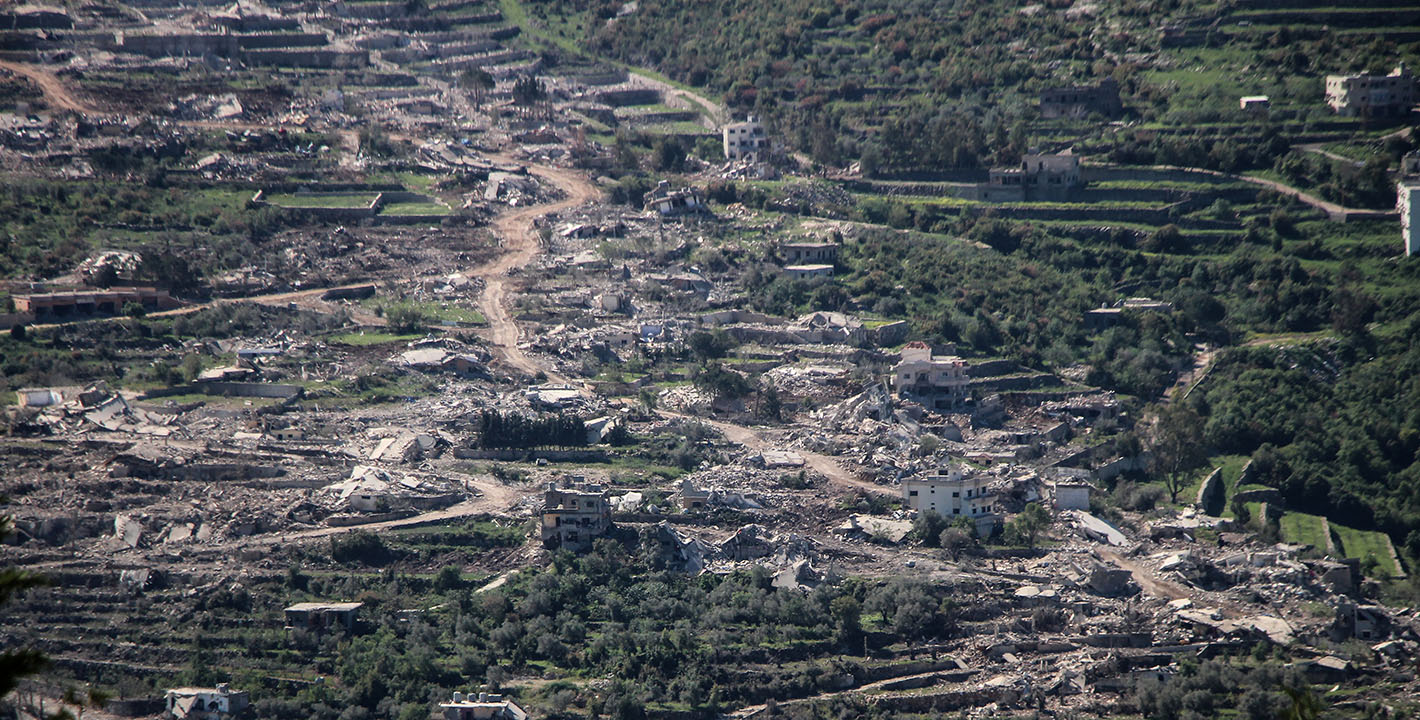
As negotiations with Iran and Lebanon continue, chaos is at the heart of the Netanyahu government’s calculations.

Michael Young
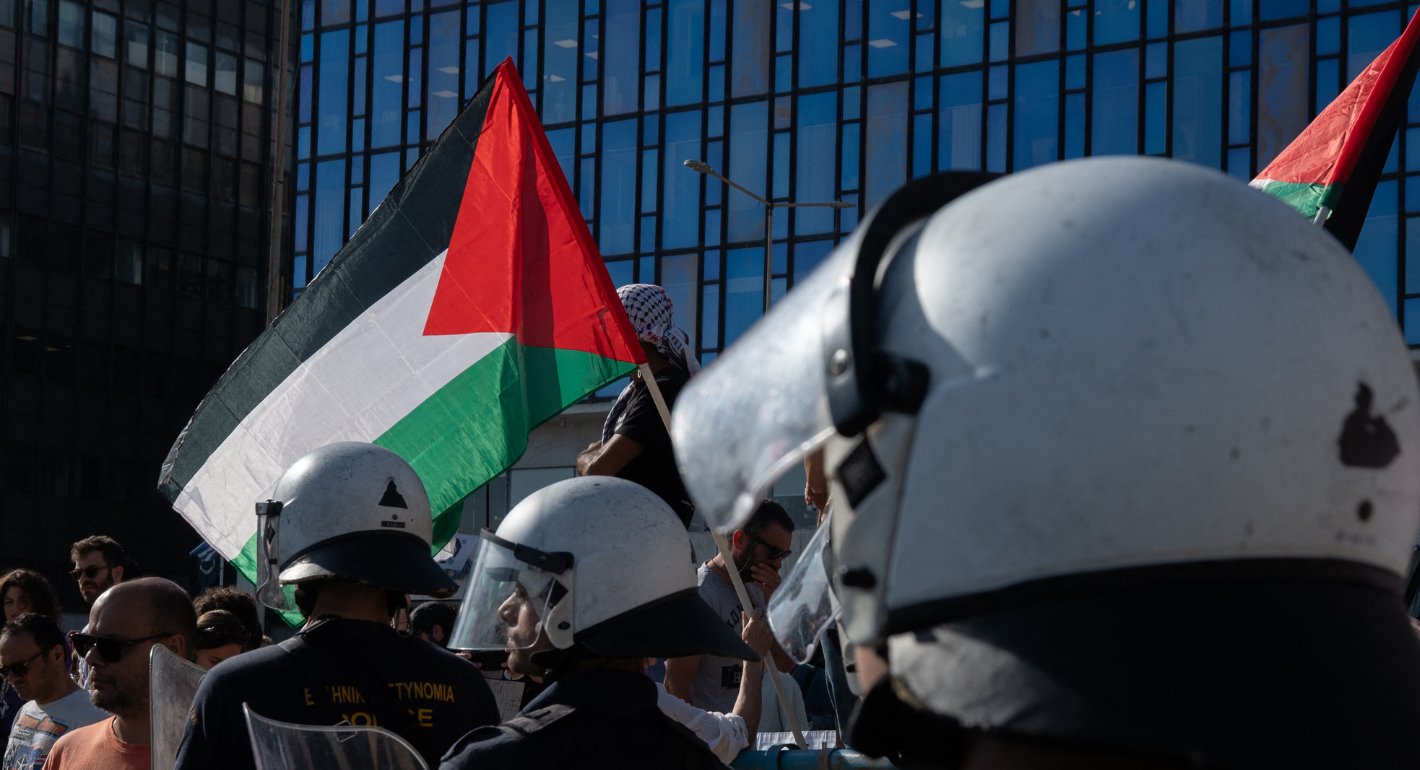
The battle over free speech has taken center stage since U.S. Vice President JD Vance accused Europe of censorship. From travel bans to social media regulation, especially around the Israel-Palestine conflict, are liberal democratic governments weaponizing free speech?

Rym Momtaz, ed.
Beijing regulated AI—and then Chinese AI companies took off.

Matt Sheehan