

Paper
George Perkovich
{
  "authors": [
    "George Perkovich"
  ],
  "type": "legacyinthemedia",
  "centerAffiliationAll": "dc",
  "centers": [
    "Carnegie Endowment for International Peace"
  ],
  "collections": [
    "U.S. Nuclear Policy"
  ],
  "englishNewsletterAll": "ctw",
  "nonEnglishNewsletterAll": "",
  "primaryCenter": "Carnegie Endowment for International Peace",
  "programAffiliation": "NPP",
  "programs": [
    "Nuclear Policy"
  ],
  "projects": [],
  "regions": [
    "North America",
    "United States"
  ],
  "topics": [
    "Nuclear Policy",
    "Nuclear Energy"
  ]
}
Source: Getty
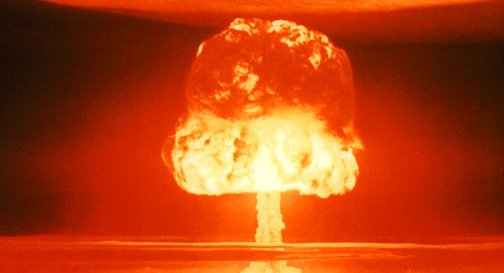
Disarmament obligations promise to be an important topic at the 2009 Carnegie International Nonproliferation Conference, says George Perkovich. Critics question the role of disarmament in discouraging would-be proliferators and disarmament negotiations need the imprimatur of high-level officials from both weapons and non-weapons states to move past this impasse.
Source: Bulletin of the Atomic Scientists

Late last year, my colleague at the Carnegie Endowment of International Peace, James M. Acton, and I cowrote an Adelphi Paper, Abolishing Nuclear Weapons, which outlined the challenges to abolishing nuclear weapons. In the months since its publication, we solicited responses from experts and officials around the world. These responses are freely available in Abolishing Nuclear Weapons: A Debate, which contains the original Adelphi Paper and 17 critiques by authors from 13 countries. Several of these responses suggested new ways of overcoming current debates about the role nuclear weapons states play in disarmament discussions.
Read the full article in the Bulletin of the Atomic Scientists.

Japan Chair for a World Without Nuclear Weapons, Senior Fellow
George Perkovich is the Japan Chair for a World Without Nuclear Weapons and a senior fellow in the Carnegie Endowment for International Peace’s Nuclear Policy Program. He works primarily on nuclear deterrence, nonproliferation, and disarmament issues, and is leading a study on nuclear signaling in the 21st century.
Recent Work
George Perkovich
George Perkovich
Carnegie does not take institutional positions on public policy issues; the views represented herein are those of the author(s) and do not necessarily reflect the views of Carnegie, its staff, or its trustees.
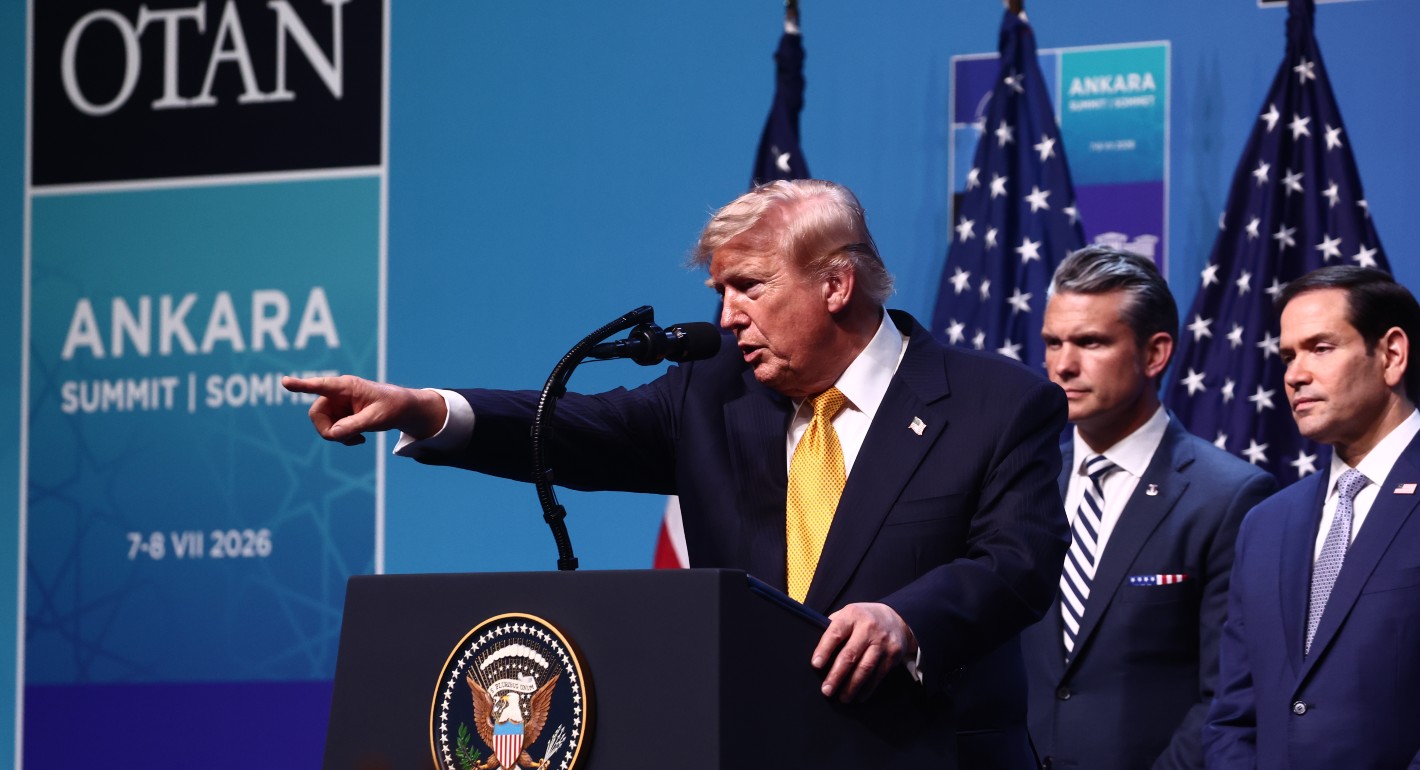
Does Donald Trump want to redraw the map of the world? Historian and geopolitical thinker Stephen Wertheim tries to parse the logic behind current American foreign policy

Stephen Wertheim

As we close out another season of Strategic Europe, it is worth taking stock of the deep shifts underway.

Rym Momtaz
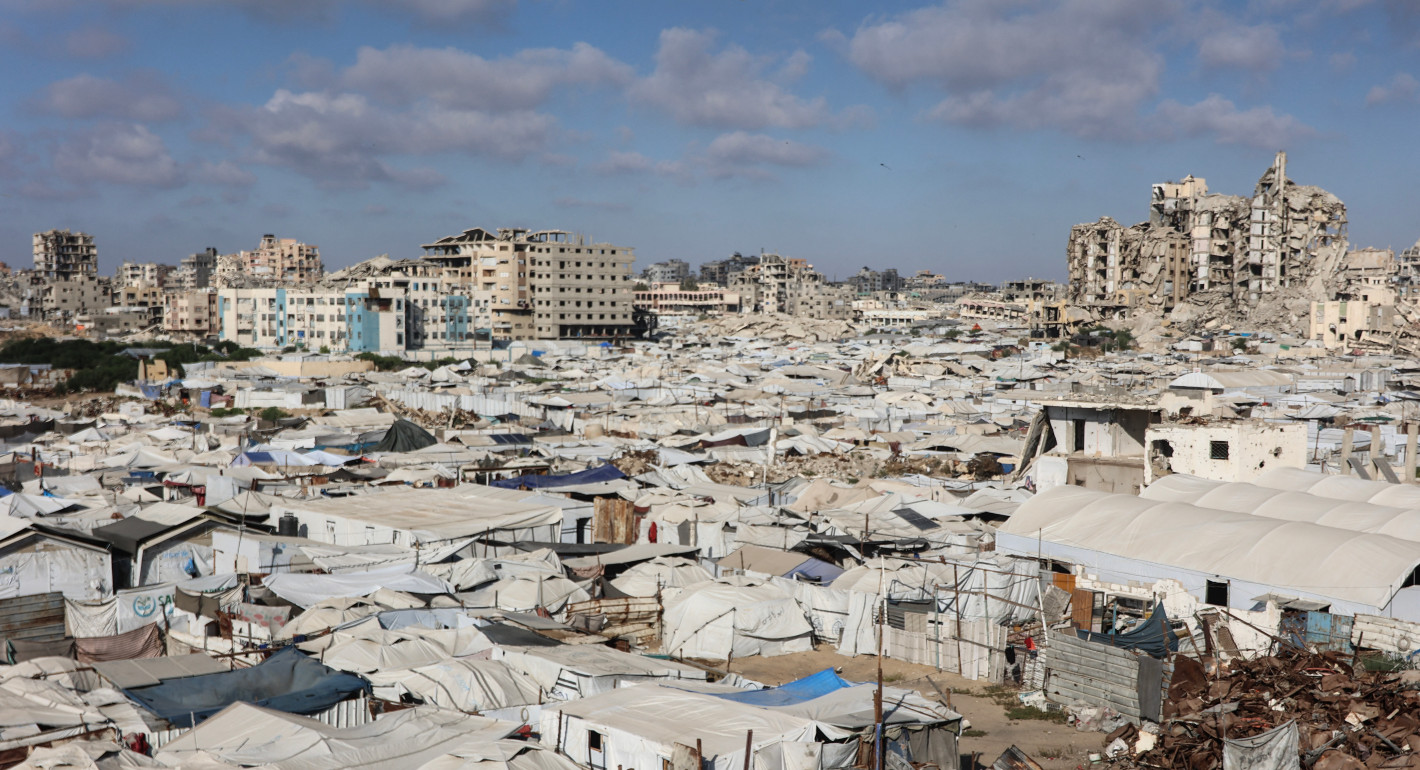
The Trump-led board has laid out blueprints for “voluntary emigration” and land confiscation.
Zaha Hassan

The hybrid warfare landscape is evolving rapidly, leaving policymakers without clear strategies. To better inform their work in addressing emerging challenges, governments must dig deeper into the underlying dynamics at play.


Raluca Csernatoni, Alicia Wanless
Direct democracy is the political wildcard in the state’s midterm election.

Mark Baldassare, Ian Klaus