• Research
  • Emissary
  • About
  • Experts
Carnegie Global logoCarnegie lettermark logo
DemocracyIran
  • Donate
{
  "authors": [],
  "type": "pressRelease",
  "centerAffiliationAll": "dc",
  "centers": [
    "Carnegie Endowment for International Peace"
  ],
  "collections": [],
  "englishNewsletterAll": "menaTransitions",
  "nonEnglishNewsletterAll": "",
  "primaryCenter": "Carnegie Endowment for International Peace",
  "programAffiliation": "MEP",
  "programs": [
    "Middle East"
  ],
  "projects": [],
  "regions": [
    "Middle East"
  ],
  "topics": []
}
REQUIRED IMAGE

REQUIRED IMAGE

Press Release

Arab Economists: Integrate Sovereign Wealth Funds into Global Financial System

Western leaders, seeking desperately needed capital for their economies, have put aside many of their concerns over Arab sovereign wealth funds (SWFs). But the Arab world is questioning the wisdom of building its financial future on the shaky foundations of Western economies.

Link Copied
Published on May 5, 2009
Program mobile hero image

Program

Middle East

The Middle East Program in Washington combines in-depth regional knowledge with incisive comparative analysis to provide deeply informed recommendations. With expertise in the Gulf, North Africa, Iran, and Israel/Palestine, we examine crosscutting themes of political, economic, and social change in both English and Arabic.

Learn More

BEIRUT, May 5—Western political and economic leaders, seeking desperately needed capital for their faltering economies, have put aside many of their concerns over Arab sovereign wealth funds (SWFs). But the Arab world is questioning the wisdom of building its financial future on the shaky foundations of Western economies, and increasingly focusing on the development and diversification of its own economies, explains a new paper by the Carnegie Middle East Center.

In Managing Sovereign Wealth in Turbulent Times—and Beyond, produced in cooperation with the Arab Reform Initiative, editors Sven Behrendt, Bassma Kodmani, and a group of Arab economists discuss the economic, political, and social influences that will determine Arab funds’ investment behavior in the years to come.

Key points:

  • Arab investment in strategic industries in Western countries will become increasingly cautious and selective.
  • The Arab public is demanding more accountability and transparency from SWF managers, which will drive them also to invest in tune with the political sentiment in their countries.
  • Arab foreign investments should complement domestic economic development and diversification agendas. They should develop a clear understanding of the markets that they seek to serve and adjust their foreign acquisition strategy accordingly.
  • Arab fund managers should not scale back efforts to make their funds more transparent in light of reduced international pressure. As the G20 process indicates, all stakeholders in the global financial architecture would benefit from efficient and transparent global markets.
  • Western political and economic leaders need a new sense of partnership and understanding for the development needs of the Arab world to attract Arab fund investments into their industries.

Behrendt concludes:

“Moving forward, the investment strategies of Arab SWFs will most likely be based on a more holistic approach. Ideally, this would include taking into account the long-term financial needs of their societies, the long-term development and diversification strategies of their economies, as well as the long-term opportunities of select industries to serve in global markets in transition.”

###


NOTES

  • Direct link to the PDF: www.carnegieendowment.org/files/sovereign_wealth_turbulent.pdf
  • Sven Behrendt is a visiting scholar at the Carnegie Middle East Center. He is an expert in global policy issues, international negotiations, corporate strategy, and diplomacy. Prior to his appointment at Carnegie, he served in various management positions at the World Economic Forum and the Bertelsmann Group on Policy Research. He is a regular commentator on television and in the press on corporate strategy and globalization.
  • Bassma Kodmani is the executive director of the Arab Reform Initiative and senior adviser on international cooperation to the French national research council (CNRS). She held directing positions at the Ford Foundation and the Institut Français des Relations Internationales (IFRI), Paris. She was also an associate professor of International Relations at Paris University.
  • The Carnegie Middle East Center based in Beirut, Lebanon, aims to better inform the process of political change in the Middle East.
  • The Carnegie Middle East Program provides analysis and recommendations in both English and Arabic that are deeply informed by knowledge and views from the region.
  • Carnegie's Arab Reform Bulletin has been transformed into a full-featured website that offers greatly enhanced search functionality, the option for readers to comment on articles, and frequent news updates.
  • Press Contact: Trent Perrotto, 202/939-2372, tperrotto@ceip.org
Middle East

Carnegie does not take institutional positions on public policy issues; the views represented herein are those of the author(s) and do not necessarily reflect the views of Carnegie, its staff, or its trustees.
More Work from Carnegie Endowment for International Peace

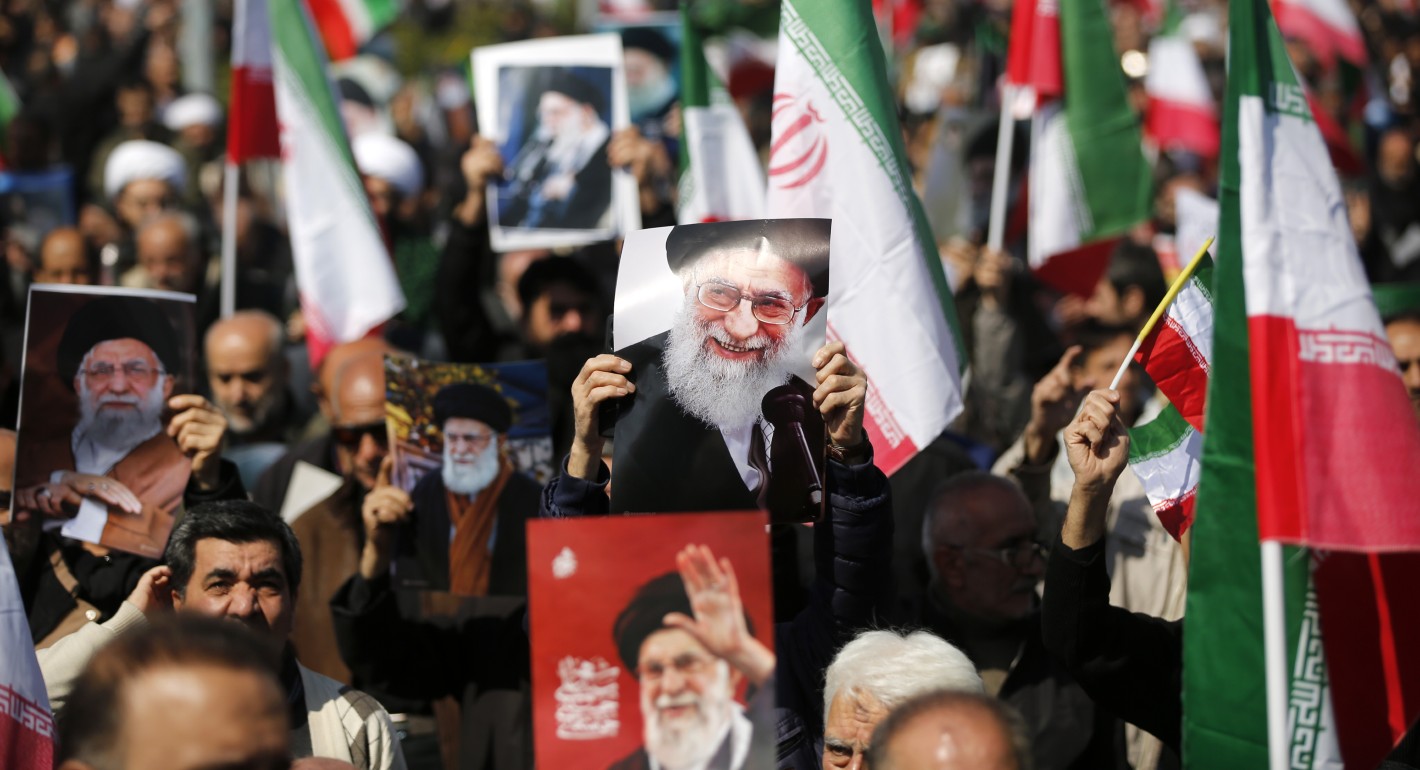
  • Crowds holding Iranian flags and photos of the late Khamenei
    Commentary
    Emissary
    Who Will Be Iran’s Next Supreme Leader?

    If the succession process can be carried out as Khamenei intended, it will likely bring a hardliner into power.

      • Eric Lob

      Eric Lob

  • people watching smoke rising at sunrise from rooftops
    Commentary
    Emissary
    Bombing Campaigns Do Not Bring About Democracy. Nor Does Regime Change Without a Plan.

    Just look at Iraq in 1991.

      Marwan Muasher
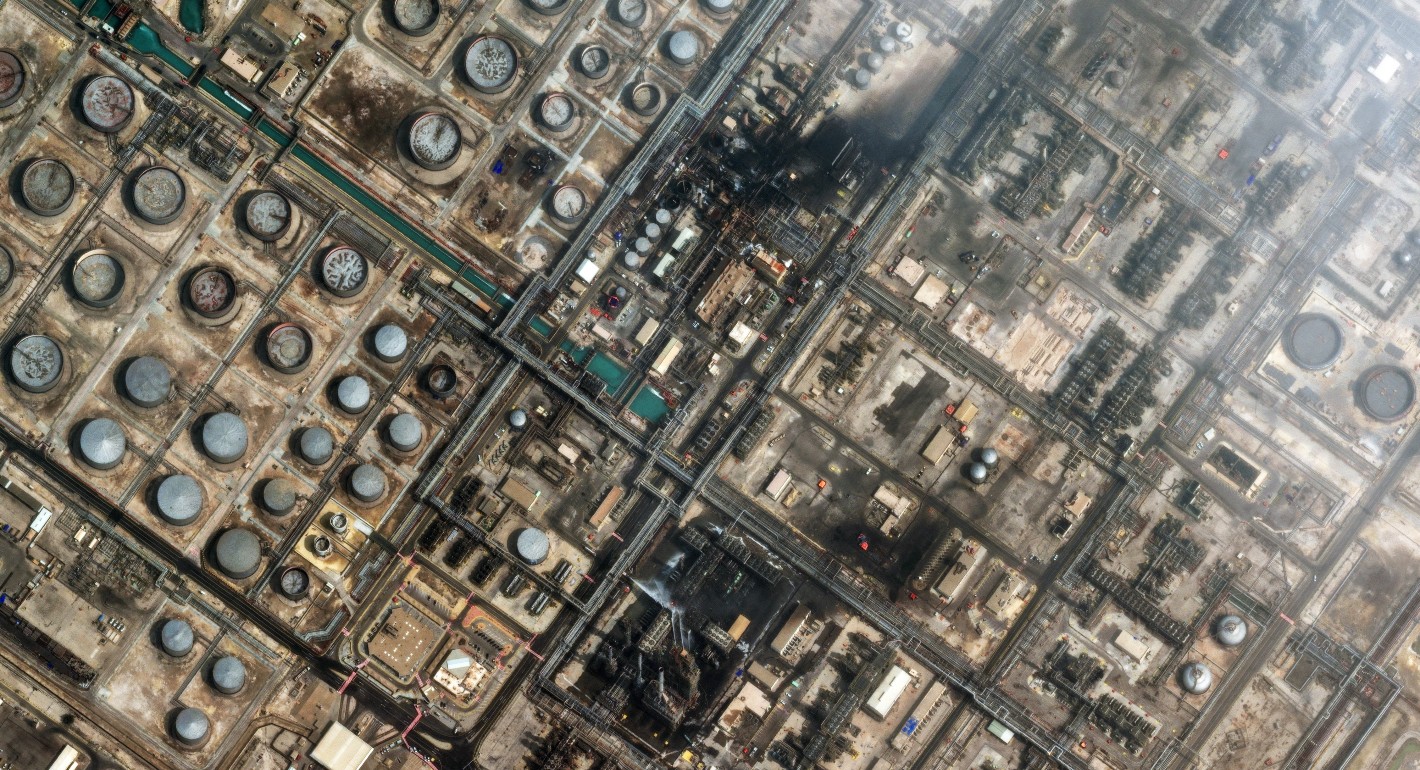
  • Satellite of a damaged oil refinery
    Commentary
    Emissary
    Iran Is Pushing Its Neighbors Toward the United States

    Tehran’s attacks are reshaping the security situation in the Middle East—and forcing the region’s clock to tick backward once again.

      Amr Hamzawy
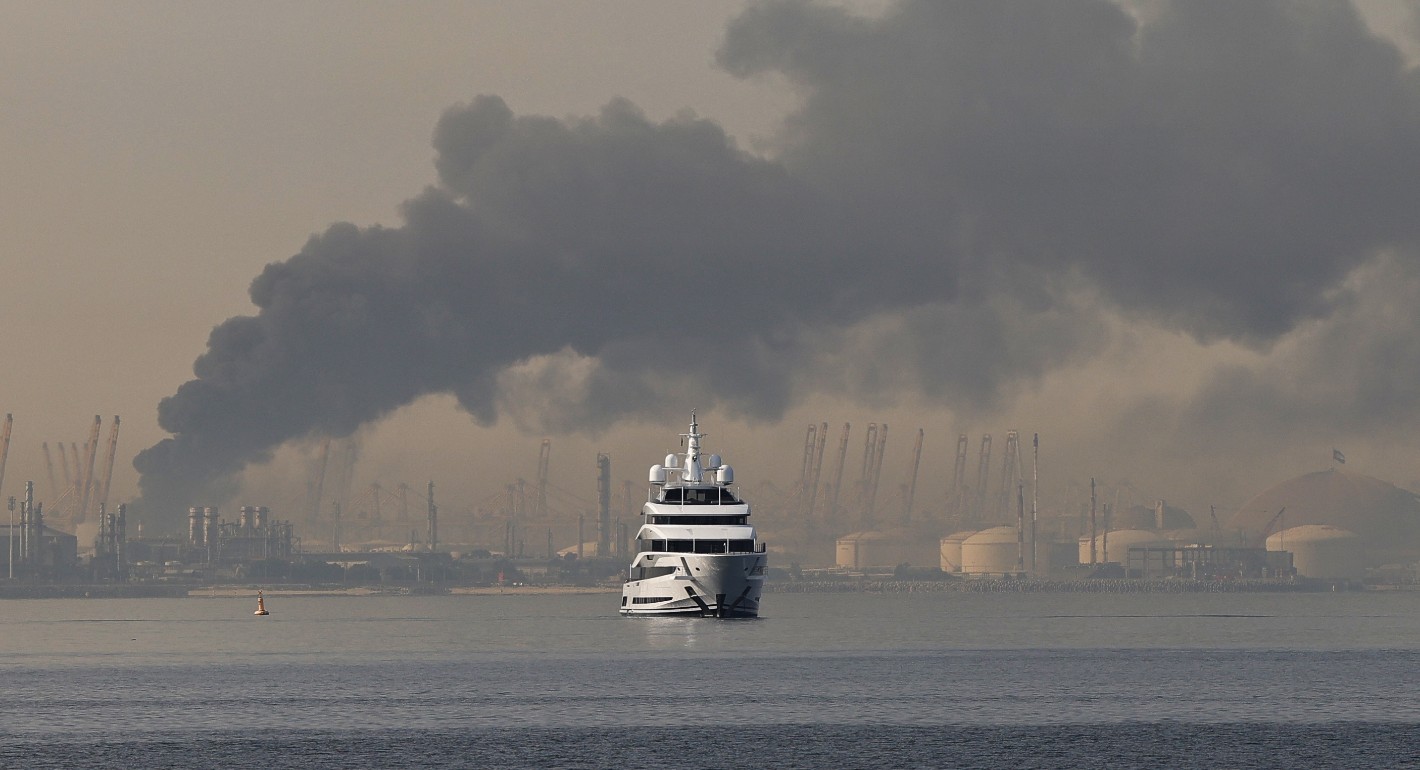
  • A boat, with smoke in the background
    Commentary
    Emissary
    The Gulf Monarchies Are Caught Between Iran’s Desperation and the U.S.’s Recklessness

    Only collective security can protect fragile economic models.

      • Andrew Leber

      Andrew Leber

  • Commentary
    Sada
    Duqm at the Crossroads: Oman’s Strategic Port and Its Role in Vision 2040

    In a volatile Middle East, the Omani port of Duqm offers stability, neutrality, and opportunity. Could this hidden port become the ultimate safe harbor for global trade?

      Giorgio Cafiero, Samuel Ramani

Get more news and analysis from
Carnegie Endowment for International Peace
Carnegie global logo, stacked
1779 Massachusetts Avenue NWWashington, DC, 20036-2103Phone: 202 483 7600Fax: 202 483 1840
  • Research
  • Emissary
  • About
  • Experts
  • Donate
  • Programs
  • Events
  • Blogs
  • Podcasts
  • Contact
  • Annual Reports
  • Careers
  • Privacy
  • For Media
  • Government Resources
Get more news and analysis from
Carnegie Endowment for International Peace
© 2026 Carnegie Endowment for International Peace. All rights reserved.