• Research
  • Emissary
  • About
  • Experts
Carnegie Global logoCarnegie lettermark logo
DemocracyIran
  • Donate
{
  "authors": [
    "Karim Sadjadpour"
  ],
  "type": "legacyinthemedia",
  "centerAffiliationAll": "dc",
  "centers": [
    "Carnegie Endowment for International Peace"
  ],
  "collections": [],
  "englishNewsletterAll": "menaTransitions",
  "nonEnglishNewsletterAll": "",
  "primaryCenter": "Carnegie Endowment for International Peace",
  "programAffiliation": "MEP",
  "programs": [
    "Middle East"
  ],
  "projects": [],
  "regions": [
    "North America",
    "United States",
    "Middle East",
    "Iran"
  ],
  "topics": [
    "Political Reform",
    "Foreign Policy"
  ]
}
Source: Getty

In The Media

Obama Has 'Accentuated Iran's Internal Rifts'

Whereas the Bush administration united Iran's disparate political factions against a commmon threat, Obama's overtures have accentuated deep internal rifts amongst Iranian political elites.

Link Copied
By Karim Sadjadpour
Published on Jun 22, 2009
Program mobile hero image

Program

Middle East

The Middle East Program in Washington combines in-depth regional knowledge with incisive comparative analysis to provide deeply informed recommendations. With expertise in the Gulf, North Africa, Iran, and Israel/Palestine, we examine crosscutting themes of political, economic, and social change in both English and Arabic.

Learn More

Source: BBC Radio 4 Today

In addition to debates that have arisen in Washington over how hard-hitting President Obama should be in response to the situation in Iran, there is also debate over whether the existence of these protests can be attributed to the election of Obama himself. Karim Sadjadpour comments, "I do think there is a real link between the election of Barack Obama and some of the fissures which we are seeing now in Tehran. The argument I would make is that whereas the Bush administration united Iran's disparate political factions against a common threat, Obama's overtures to Iran have really accentuated these deep internal rifts amongst Iranian political elites. Between a small minority faction that wants to continue this "death to America" culture of 1979 and the vast majority of the Iranian population, but I would also argue the vast majority of the Iranian political elite."

About the Author

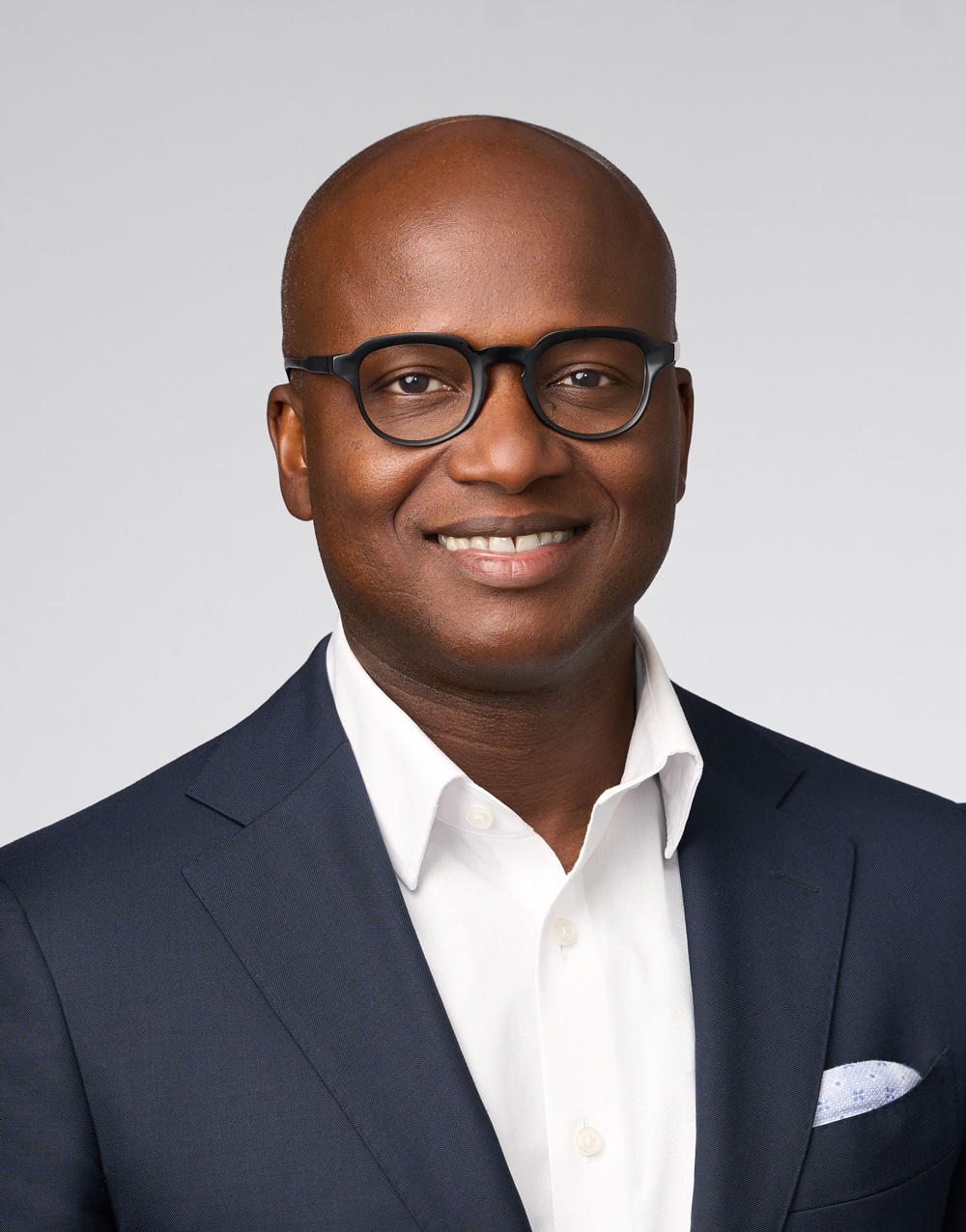
Karim Sadjadpour

Senior Fellow, Middle East Program

Karim Sadjadpour is a senior fellow at the Carnegie Endowment for International Peace, where he focuses on Iran and U.S. foreign policy toward the Middle East.

    Recent Work

  • Q&A
    What’s Keeping the Iranian Regime in Power—for Now

      Aaron David Miller, Karim Sadjadpour, Robin Wright

  • Q&A
    How Washington and Tehran Are Assessing Their Next Steps

      Aaron David Miller, David Petraeus, Karim Sadjadpour

Karim Sadjadpour
Senior Fellow, Middle East Program
Karim Sadjadpour
Political ReformForeign PolicyNorth AmericaUnited StatesMiddle EastIran

Carnegie does not take institutional positions on public policy issues; the views represented herein are those of the author(s) and do not necessarily reflect the views of Carnegie, its staff, or its trustees.

More Work from Carnegie Endowment for International Peace

  • apan's 8,900-ton Maritime Self-Defense Force supply ship Oosumi leaves Muroran port escorted by the 4,550-ton destroyer Murasame bound for Kuwait February 20, 2004 in Muroran, Japan.
    Article
    Japan’s Security Policy Is Still Caught Between the Alliance and Domestic Reality

    Japan’s response to U.S. pressure over Hormuz highlights a broader dilemma: How to preserve the alliance while remaining bound by legal limits, public opinion, and an Asia-centered security agenda. Tokyo gained diplomatic space through an alliance-embracing strategy, but only under conditions that may not endure.

      • Ryo Sahashi

      Ryo Sahashi

  • Article
    Kenya’s Health Deal Is a Stress Test for the America First Global Health Strategy

    U.S. agreements must contend with national data protection laws to make durable foreign policy instruments.

      • A Black woman with long hair wears a black blazer

      Jane Munga, Rose Mosero

  • Commentary
    Diwan
    Trump’s Plan for Gaza Is Not Irrelevant. It’s Worse.

    The simple conclusion is that the scheme will bring neither peace nor prosperity, but will institutionalize devastation.

      Nathan J. Brown

  • Trump seated and gesturing while speaking
    Commentary
    Emissary
    The Iran War Is Making America Less Safe

    A conflict launched in the name of American security is producing the opposite effect.

      • Sarah Yerkes

      Sarah Yerkes

  • illustration of AI chat bubbles
    Commentary
    California Sees Ways AI Can Support Policymaking. Here’s What It Needs to Succeed.

    For AI to capture the public’s policy concerns, people need to know that the models are elevating human concerns in human words, not generating their own.

      • Micah Weinberg headshot

      Micah Weinberg

Get more news and analysis from
Carnegie Endowment for International Peace
Carnegie global logo, stacked
1779 Massachusetts Avenue NWWashington, DC, 20036-2103Phone: 202 483 7600Fax: 202 483 1840
  • Research
  • Emissary
  • About
  • Experts
  • Donate
  • Programs
  • Events
  • Blogs
  • Podcasts
  • Contact
  • Annual Reports
  • Careers
  • Privacy
  • For Media
  • Government Resources
Get more news and analysis from
Carnegie Endowment for International Peace
© 2026 Carnegie Endowment for International Peace. All rights reserved.