

Q&A
Suzanne Maloney, Aaron David Miller, Karim Sadjadpour
{
  "authors": [
    "Karim Sadjadpour"
  ],
  "type": "legacyinthemedia",
  "centerAffiliationAll": "dc",
  "centers": [
    "Carnegie Endowment for International Peace"
  ],
  "collections": [],
  "englishNewsletterAll": "menaTransitions",
  "nonEnglishNewsletterAll": "",
  "primaryCenter": "Carnegie Endowment for International Peace",
  "programAffiliation": "MEP",
  "programs": [
    "Middle East"
  ],
  "projects": [],
  "regions": [
    "North America",
    "United States",
    "Middle East",
    "Iran"
  ],
  "topics": [
    "Political Reform",
    "Foreign Policy"
  ]
}
Source: Getty
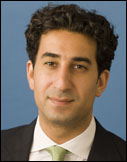
The Obama administration has wisely taken a cautious approach to reacting to the unrest in Iran and allegations of election fraud.
Source: CBS News

"I think the administration is calibrating the mesasge correctly. Meaning, we don't want to denounce these elections and insert ourselves into that political process which is playing out in Tehran. Histrorcally, we have unwittingly hurt those whom we've tried to help in the past. So I think the adminstration's message is well calibrated, expressing an interest and also a concern that the results of these elections, the will of the Iranian people is not bourne out. But certainly we shouldn't prematurely endorse the results of these elections or denounce them."

Senior Fellow, Middle East Program
Karim Sadjadpour is a senior fellow at the Carnegie Endowment for International Peace, where he focuses on Iran and U.S. foreign policy toward the Middle East.
Recent Work


Suzanne Maloney, Aaron David Miller, Karim Sadjadpour

Aaron David Miller, Karim Sadjadpour, Robin Wright
Carnegie does not take institutional positions on public policy issues; the views represented herein are those of the author(s) and do not necessarily reflect the views of Carnegie, its staff, or its trustees.

China’s political future will be shaped between now and next October. As the Communist Party enters its intense “campaign season” to prepare for a major political transition in 2027, reading Beijing's actions and responses may become more difficult as domestic politics weigh on its behavior more than usual.

Damien Ma

The EU can impose sanctions but struggles to enforce them without the United States. With Washington increasingly disinterested in backing European interests, the bloc must now fend for itself.


Nicu Popescu, Tiago Antunes
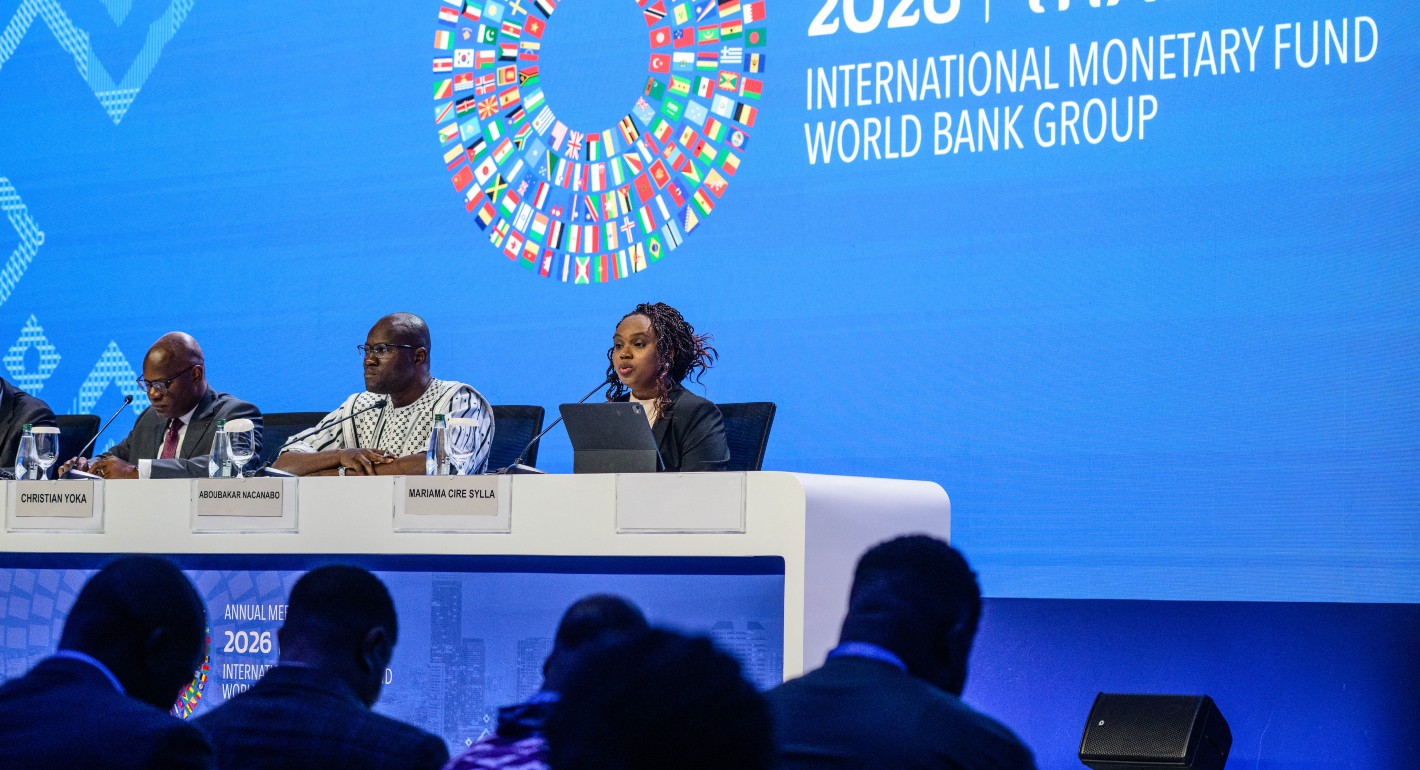
Global and rising powers will need to engage with Africa’s priorities and agency in order to secure the continent’s increasingly attractive partnerships.
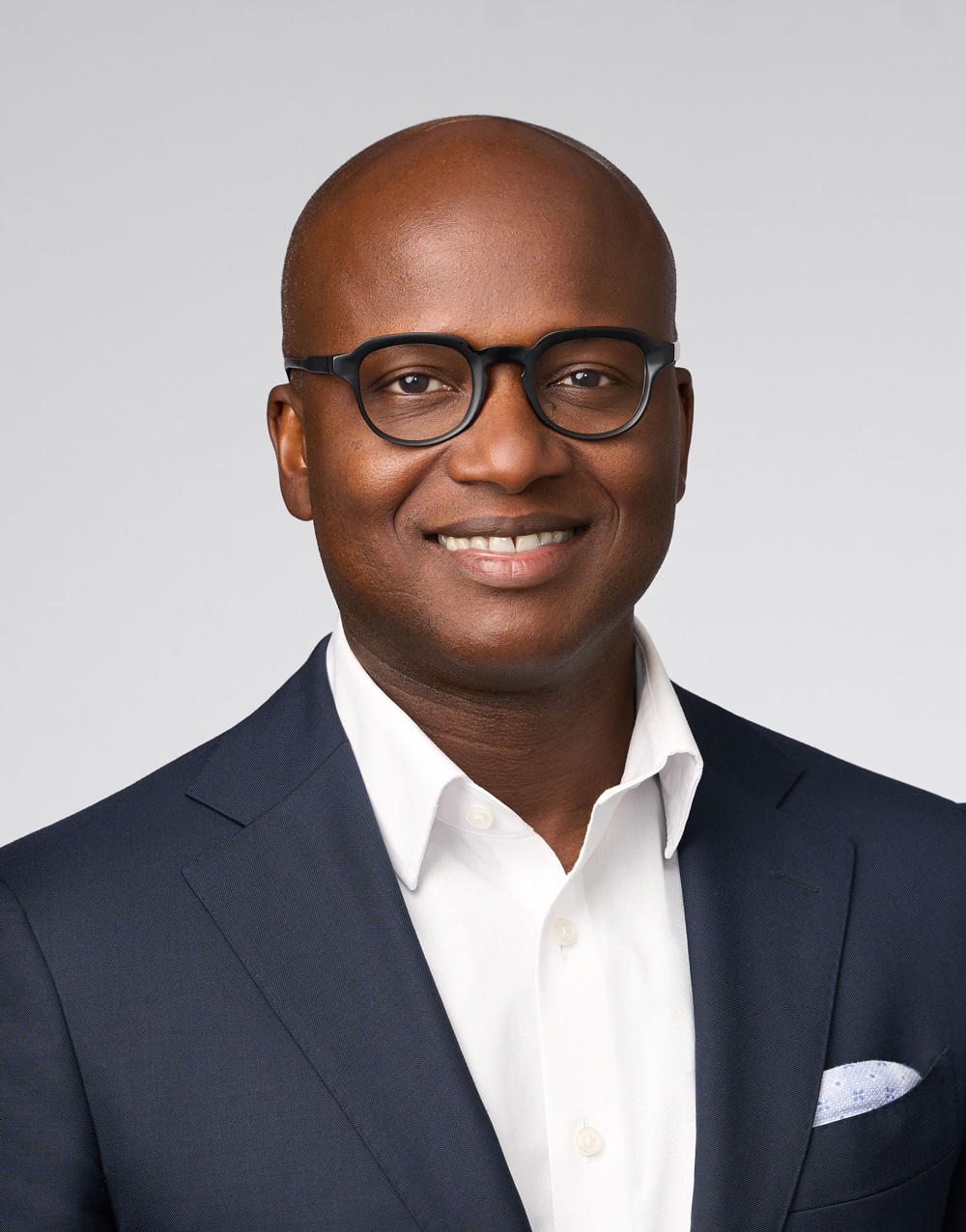
Fonteh Akum

Rubio’s recent visit brought welcome attention, but more capital requires governance changes that may be a hard sell for regional governments.

Jennifer B. Murtazashvili

America’s foreign-policy objectives have grown more demanding while Americans have demanded greater focus on their own affairs.

Stephen Wertheim