

Commentary
Does Donald Trump want to redraw the map of the world? Historian and geopolitical thinker Stephen Wertheim tries to parse the logic behind current American foreign policy
Stephen Wertheim
{
  "authors": [
    "George Perkovich",
    "James M. Acton"
  ],
  "type": "legacyinthemedia",
  "centerAffiliationAll": "dc",
  "centers": [
    "Carnegie Endowment for International Peace"
  ],
  "collections": [
    "U.S. Nuclear Policy"
  ],
  "englishNewsletterAll": "ctw",
  "nonEnglishNewsletterAll": "",
  "primaryCenter": "Carnegie Endowment for International Peace",
  "programAffiliation": "NPP",
  "programs": [
    "Nuclear Policy"
  ],
  "projects": [],
  "regions": [
    "North America",
    "United States"
  ],
  "topics": [
    "Nuclear Policy"
  ]
}
Source: Getty
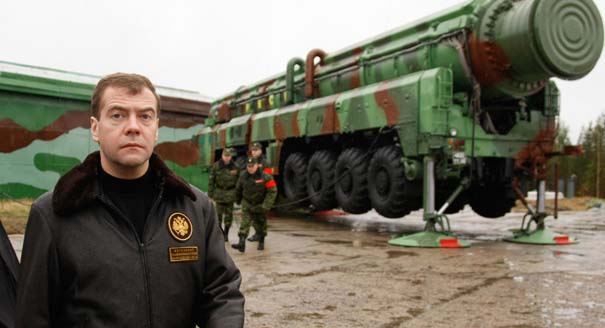
Those opposed to ridding the world of nuclear weapons have a tendency of setting up and knocking down the same old straw men, argue George Perkovich and James. M Acton. If disarmament advocates want to improve the debate, they need to stress that the US would not disarm unilaterally or leave its allies in the lurch.
Source: Bulletin of the Atomic Scientists

Certainly, there is much room for serious disagreement about whether a nuclear-weapon-free world is achievable or even worthwhile. In fact, such discussion is welcomed. Unfortunately, opponents of abolishing nuclear weapons tend to make their case by rebutting a selection of five weak arguments that the growing bipartisan movement of nuclear zero supporters led by realists such as Henry Kissinger, George Shultz, Bill Perry and Sam Nunn rarely use. In the interest of improving the quality of the debate in future, here's how disarmament proponents should respond to the "fatuous five":
Read the full article in the Bulletin of the Atomic Scientists.

Japan Chair for a World Without Nuclear Weapons, Senior Fellow
George Perkovich is the Japan Chair for a World Without Nuclear Weapons and a senior fellow in the Carnegie Endowment for International Peace’s Nuclear Policy Program. He works primarily on nuclear deterrence, nonproliferation, and disarmament issues, and is leading a study on nuclear signaling in the 21st century.

Jessica T. Mathews Chair, Co-director, Nuclear Policy Program
Acton holds the Jessica T. Mathews Chair and is co-director of the Nuclear Policy Program at the Carnegie Endowment for International Peace.
Carnegie does not take institutional positions on public policy issues; the views represented herein are those of the author(s) and do not necessarily reflect the views of Carnegie, its staff, or its trustees.
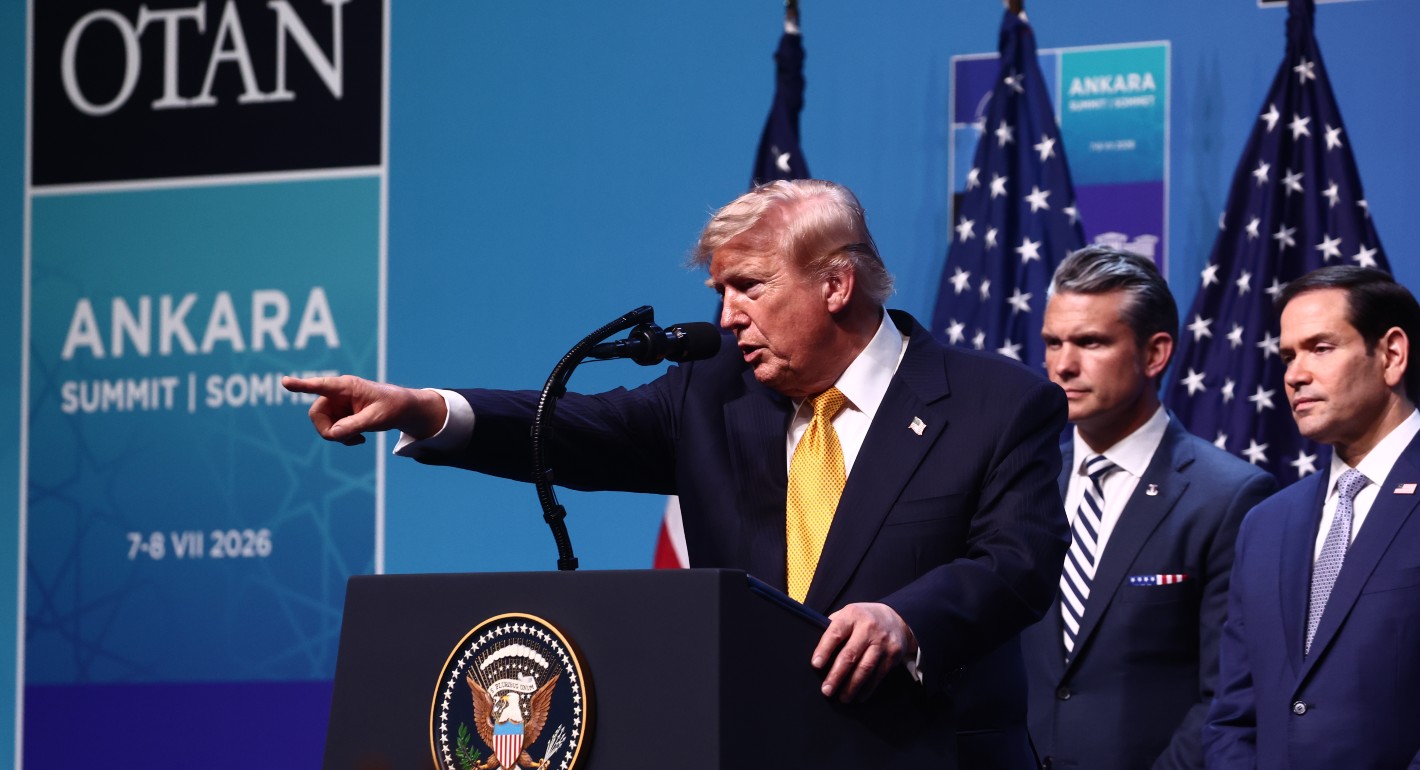
Does Donald Trump want to redraw the map of the world? Historian and geopolitical thinker Stephen Wertheim tries to parse the logic behind current American foreign policy

Stephen Wertheim

As we close out another season of Strategic Europe, it is worth taking stock of the deep shifts underway.

Rym Momtaz

The Trump-led board has laid out blueprints for “voluntary emigration” and land confiscation.
Zaha Hassan

The hybrid warfare landscape is evolving rapidly, leaving policymakers without clear strategies. To better inform their work in addressing emerging challenges, governments must dig deeper into the underlying dynamics at play.


Raluca Csernatoni, Alicia Wanless
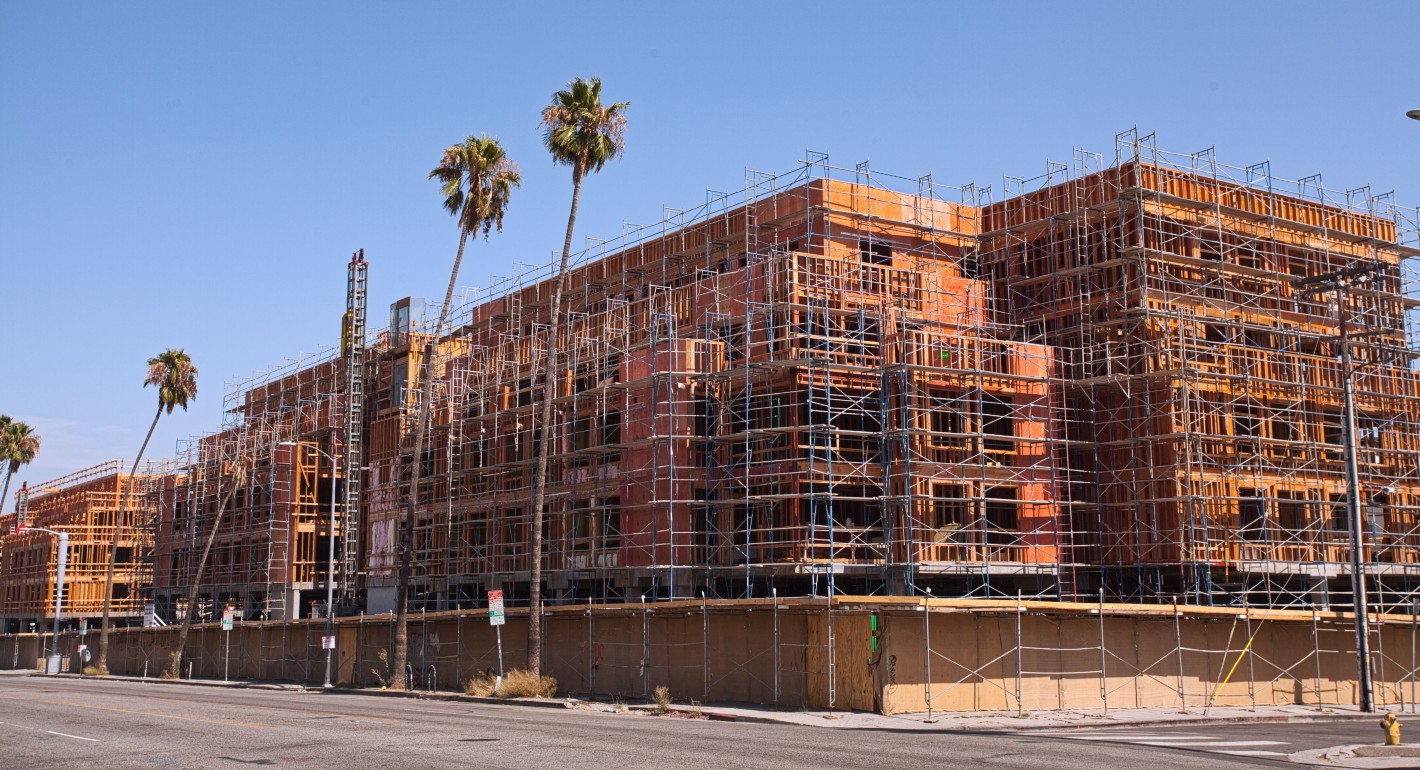
Direct democracy is the political wildcard in the state’s midterm election.

Mark Baldassare, Ian Klaus