

Commentary
Not only does the fighting jeopardize regional security, it undermines Russian attempts to promote alternatives to the Western-dominated world order.
Ruslan Suleymanov
{
  "authors": [
    "Amr Hamzawy",
    "Jeffrey Christiansen"
  ],
  "type": "legacyinthemedia",
  "centerAffiliationAll": "dc",
  "centers": [
    "Carnegie Endowment for International Peace"
  ],
  "collections": [],
  "englishNewsletterAll": "menaTransitions",
  "nonEnglishNewsletterAll": "",
  "primaryCenter": "Carnegie Endowment for International Peace",
  "programAffiliation": "MEP",
  "programs": [
    "Middle East"
  ],
  "projects": [],
  "regions": [
    "Middle East"
  ],
  "topics": [
    "Political Reform"
  ]
}
Source: Getty
A pragmatic collaboration between the new US administration and peaceful Islamist movements could spur authoritarian rulers towards a more pluralistic Arab world. Islamist opposition movements should seize the moment.
Source: Al Ahram Weekly

Islamist opposition movements need the US more than they are ready to admit. They seek international recognition as serious political forces. And they want the US to define its commitment to democracy in the Arab world to mean applying pressure on Arab regimes for greater political pluralism. But they will have to send Obama consistent signs of their intentions.
Their responses to Obama's speech were hardly an example of bold outreach. In Morocco, the Justice and Development Party said Obama's speech was "certainly positive" but questioned US diplomacy towards the Arab-Israeli conflict. In the Palestinian territories, Hamas initially criticised Obama for more of the same US policy but later recognised its "positive language". In Egypt, the Muslim Brotherhood criticised Obama for ignoring the "authoritarian regimes and corrupt systems" in the region. Most of them restated familiar criticisms.
To capture US attention, however, Islamist opposition movements need to address two core US concerns: Would their positions on key international issues value stability? And would their positions on key domestic issues reflect a commitment to democratic ideals and procedures?
Internationally, the biggest concern is that Islamist movements would aim to disrupt the international system. Would they, in fact, honour their countries' obligations under existing international agreements? Would a government controlled by the Egyptian Muslim Brotherhood, as an example, abide by the terms of the Camp David agreement and maintain diplomatic relations with the Jewish state? Would the Jordanian Brotherhood respect the peace treaty between Jordan and Israel? Can Hamas commit to the Oslo framework and recognise Israel's right to exist? There should be no doubt that failing to recognise their countries' treaties would perpetuate the pariah status of these movements in the eyes of the United States.
Domestically, Islamist movements need to clarify their stance on several issues. On the role of Islam in politics, Islamist movements cannot repudiate their commitment to Sharia law. But they could allay many fears by being clearer about the principles of Sharia they consider central. Islamist movements also need to address their dual identity as both religious movements and political actors. Some movements, like the Justice and Development Party in Morocco, have already established separate political movements. But others, like the powerful Egyptian Muslim Brotherhood, while prevented by the government from forming a political party, are nonetheless reluctant to commit to one in principle.
Religious movements deal with absolutes -- issues of good and evil, of right and wrong -- and can demand conformity from their members as long as membership is voluntary. Political movements, by contrast, make -- or participate in making -- decisions that affect all citizens, and thus have to respect basic principles shared by all. They must tolerate dissent, be open to compromise, and follow domestic law, even if they do not approve of it. Movements that fail to separate their political and religious identities risk ending up betwixt and between, where their democratic credentials could be in doubt.
Finally, Islamist movements must clarify their stances on women and minorities. It is not enough to issue general statements about their respect for women and minorities within an Islamist framework; they need to clarify their position on the rights of women vis-à-vis male family members and treat women and men equally in the public domain. Also, clarity has been missing on the side of many Islamist movements regarding the right of religious minorities to hold public office.
As Islamist movements formulate their positions on these issues they should keep in mind President Obama's single standard for all who hold power: "you must maintain your power through consent, not coercion; you must respect the rights of minorities and participate with a spirit of tolerance and compromise; you must place the interests of your people and the legitimate workings of the political process above your party."
Addressing these concerns would go a long way in persuading the US to engage Islamist movements in making the Arab world a better place. Of course, at the end of the day, it's the authoritarian rulers themselves who must reform. But a pragmatic collaboration between the new US administration and peaceful Islamist movements could spur such rulers towards a more pluralistic Arab world. Now that the ball is in their court, Islamist opposition movements should seize the moment.

Director, Middle East Program
Amr Hamzawy is a senior fellow and the director of the Carnegie Middle East Program. His research and writings focus on governance in the Middle East and North Africa, social vulnerability, and the different roles of governments and civil societies in the region.
Jeffrey Christiansen
Carnegie does not take institutional positions on public policy issues; the views represented herein are those of the author(s) and do not necessarily reflect the views of Carnegie, its staff, or its trustees.
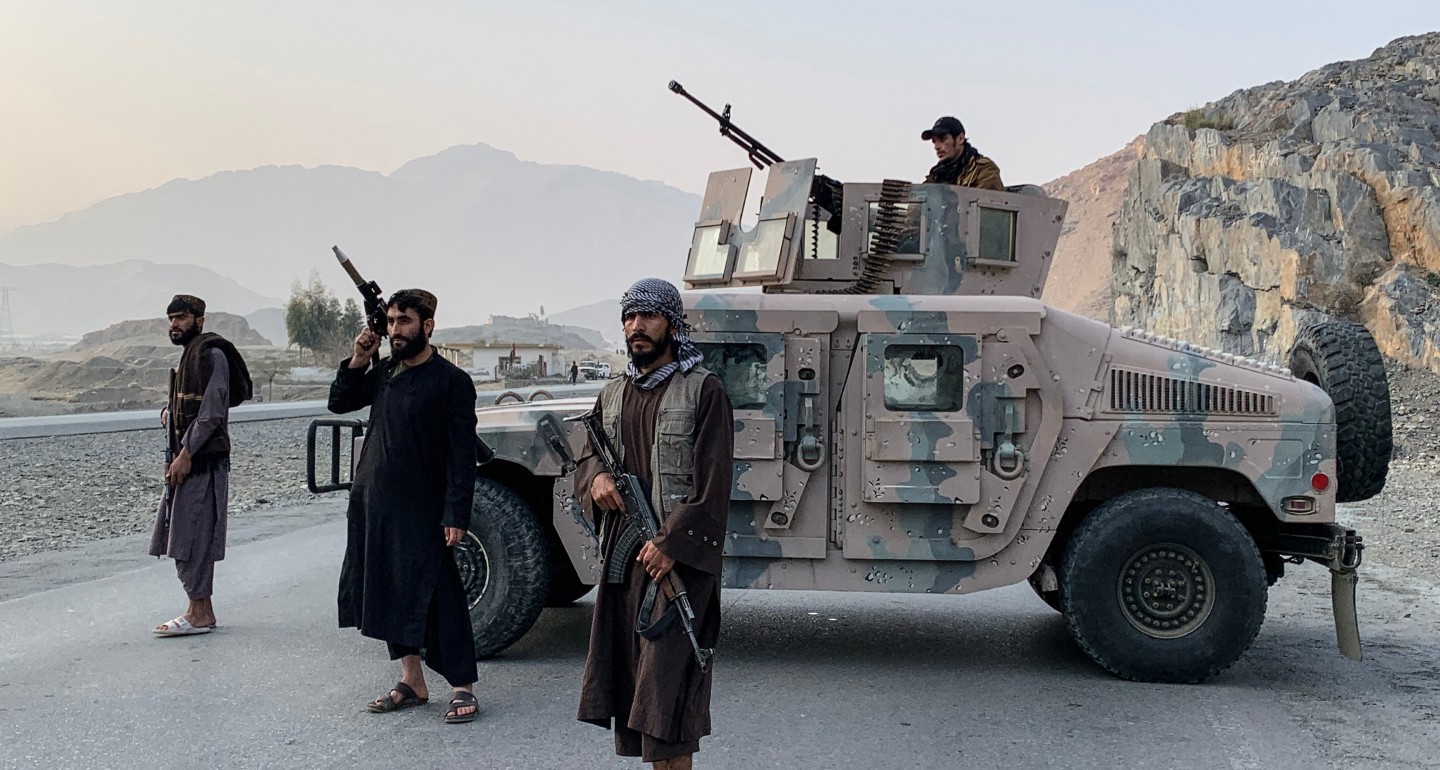
Not only does the fighting jeopardize regional security, it undermines Russian attempts to promote alternatives to the Western-dominated world order.

Ruslan Suleymanov
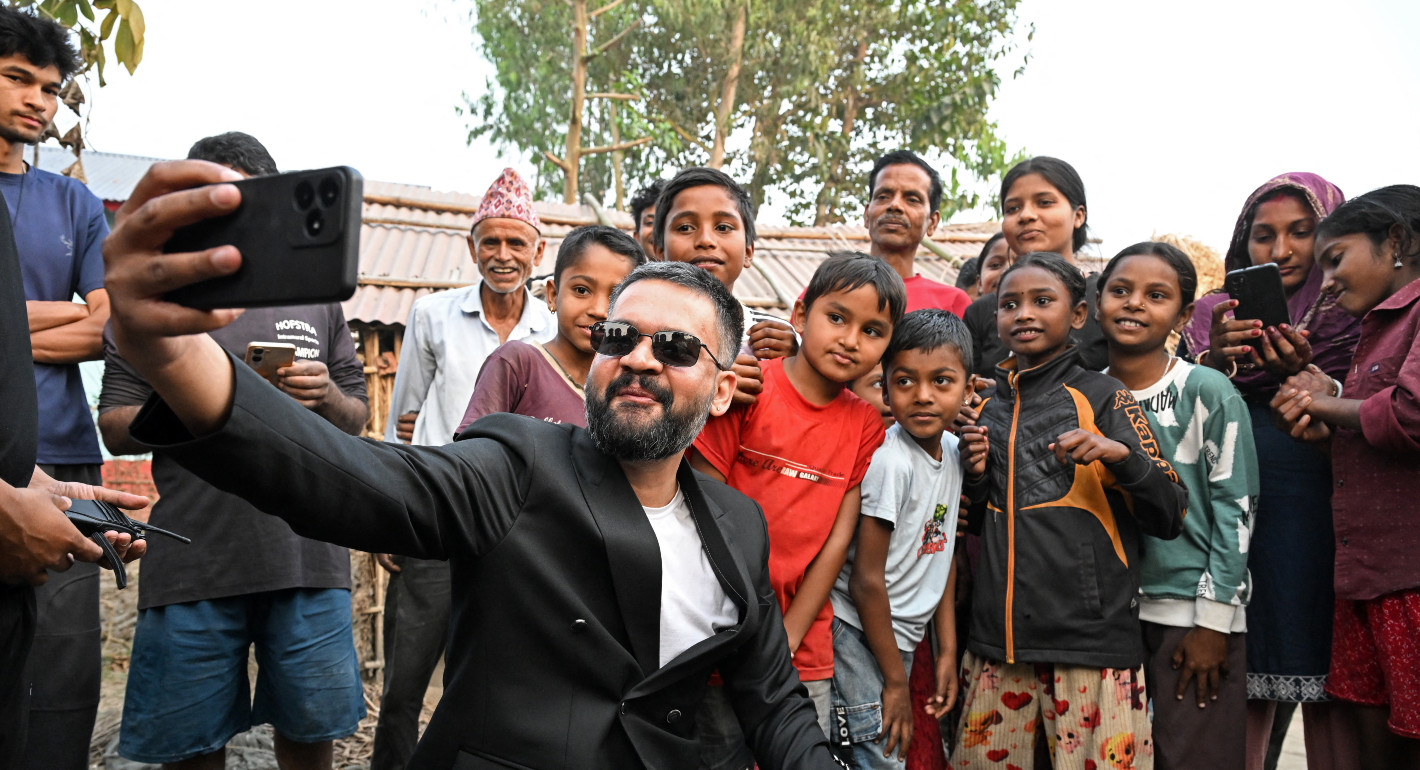
The incoming government has swept Nepal’s election. The real work begins now.
Amish Raj Mulmi

Assessing U.S. compliance with the international laws of war is essential at a time when these frameworks are already fraying.
Federica D’Alessandra
A conflict launched in the name of American security is producing the opposite effect.

Sarah Yerkes
From anime heroes to online gaming communities, Morocco’s Gen Z is building a new protest culture. What does this digital imagination reveal about youth politics, and how should institutions respond?
Abdelilah Farah