

In The Media
Minxin Pei
{
  "authors": [
    "Minxin Pei"
  ],
  "type": "legacyinthemedia",
  "centerAffiliationAll": "dc",
  "centers": [
    "Carnegie Endowment for International Peace"
  ],
  "collections": [],
  "englishNewsletterAll": "asia",
  "nonEnglishNewsletterAll": "",
  "primaryCenter": "Carnegie Endowment for International Peace",
  "programAffiliation": "AP",
  "programs": [
    "Asia"
  ],
  "projects": [],
  "regions": [
    "East Asia",
    "China"
  ],
  "topics": [
    "Political Reform",
    "Democracy",
    "Security",
    "Military"
  ]
}
Source: Getty
Unrest among the Uighur minority in China was inevitable because of the lack of dialogue between ethnic groups, growing income inequality between Han Chinese and Uighurs, and government portrayals of Uighurs as separatist terrorists.
Source: PBS Newshour
The recent clashes between Han Chinese and Uighurs in the restive Xinjiang province have killed over 150 people and injured well over 800 others. To discuss the sources of the violence, Carnegie's Minxin Pei joined Alim Seytoff, the spokesperson for the World Uighur Congress, on PBS' NewsHour.
Pei explained that Uighurs have long resented Han Chinese explorations of Xinjiang's deposits of oil, natural gas, and other natural resources and the central government's half-century-long effort to encourage Han migration to the province. A violent clash of this nature was inevitable because of the lack of dialogue between ethnic groups, growing income inequality between the Han Chinese and the Uighurs, and the portrayal of Uighurs as separatist terrorists by the Chinese government.
Pei concluded by arguing that although this episode is unlikely to lead to susbtantially enhanced autonomy for Uighurs, it could serve as a wake-up call to the Chinese government to review its treatment of ethnic minorities in China.
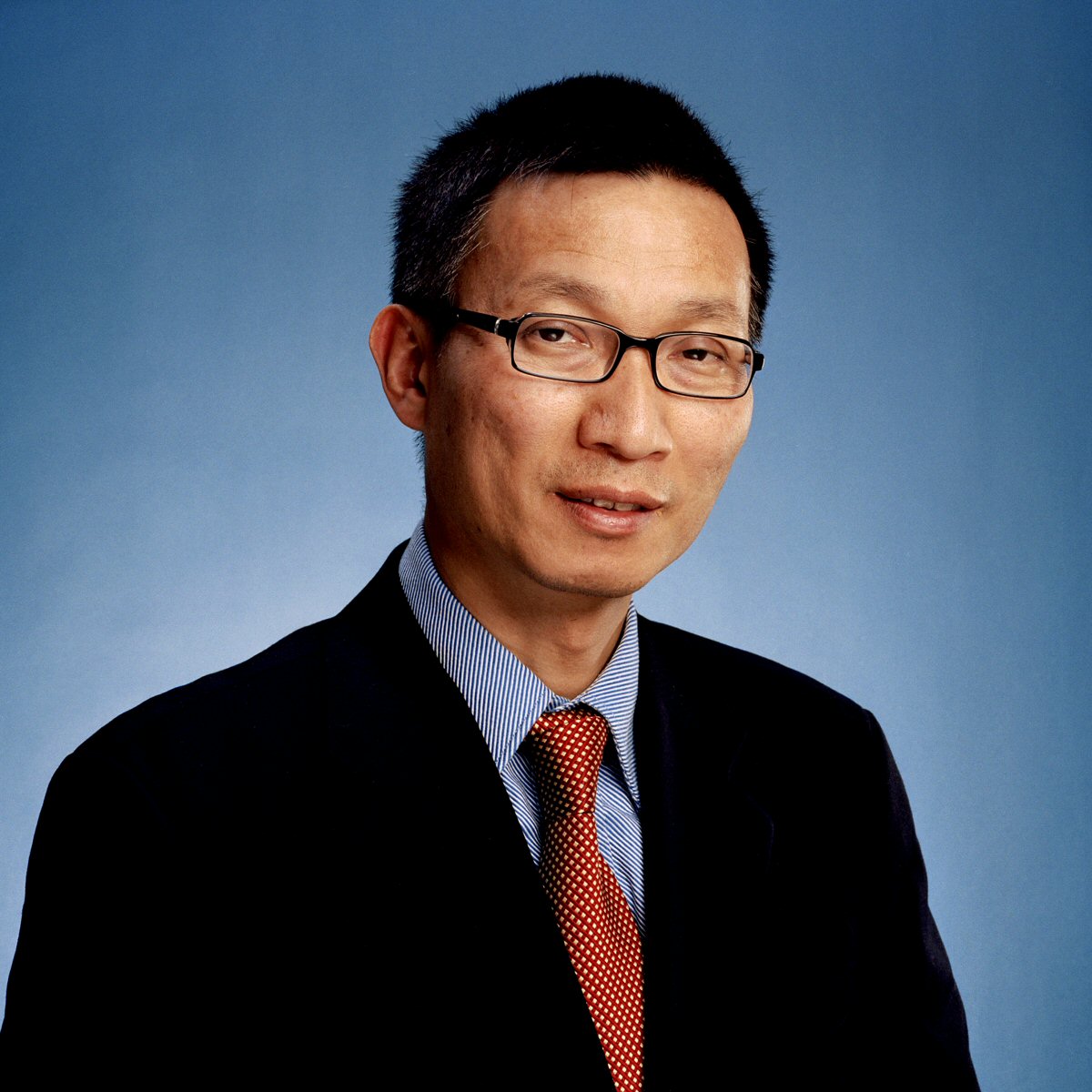
Former Adjunct Senior Associate, Asia Program
Pei is Tom and Margot Pritzker ‘72 Professor of Government and the director of the Keck Center for International and Strategic Studies at Claremont McKenna College.
Recent Work
Minxin Pei
Minxin Pei
Fatima El Mansouri is the country’s first female prime minister. She’s also a privileged insider in a largely ceremonial position.

Sarah Yerkes

The acknowledgment has sparked fears of a new arms race with China and Russia.

Chris O’Meara

The European Commissioner for Trade is headed to China. But after President Xi’s bridge-building visit to Washington, can a more isolated EU overcome Beijing’s stranglehold on critical raw materials? Who will blink first?

Rym Momtaz, ed.

The summit may be remembered as a fatal blunder, when Washington, Beijing, and the AI industry collectively chose ceremony over action.

Jeffrey Prescott

The domestic impacts of how long it is taking to end the war in Ukraine have pushed the French electorate to the political extremes and compromised the country’s diplomatic capacity.
Rym Momtaz