• Research
  • Emissary
  • About
  • Experts
Carnegie Global logoCarnegie lettermark logo
DemocracyIran
  • Donate
{
  "authors": [
    "Minxin Pei"
  ],
  "type": "legacyinthemedia",
  "centerAffiliationAll": "dc",
  "centers": [
    "Carnegie Endowment for International Peace"
  ],
  "collections": [],
  "englishNewsletterAll": "asia",
  "nonEnglishNewsletterAll": "",
  "primaryCenter": "Carnegie Endowment for International Peace",
  "programAffiliation": "AP",
  "programs": [
    "Asia"
  ],
  "projects": [],
  "regions": [
    "United States",
    "South Asia",
    "India",
    "East Asia",
    "China"
  ],
  "topics": [
    "Political Reform",
    "Economy",
    "Foreign Policy"
  ]
}

Source: Getty

In The Media

A More Balanced View of Asia's Rise

Fears about Asia’s rise warrant a more balanced and critical look. China and India's international standing should not be overstated because both face serious economic and social constraints that will limit their growth.

Link Copied
By Minxin Pei
Published on Aug 13, 2009
Program mobile hero image

Program

Asia

The Asia Program in Washington studies disruptive security, governance, and technological risks that threaten peace, growth, and opportunity in the Asia-Pacific region, including a focus on China, Japan, and the Korean peninsula.

Learn More

Source: WBUR Radio Here and Now

The alarm about the rise of Asia and the decline of America are largely exaggerated. A more balanced and critical look at trends suggests that Asian countries, particularly China and India, are not poised to take over the reigns of world leadership anytime soon. Even at current economic growth rates, average per capita income in Asia is not expected to reach U.S. levels for nearly 80 years. Asian countries also lack well-developed understanding and support for key values such as multilateralism, human rights, and other international public goods that define the contemporary world order. These failings, combined with a relative lack of innovation, internal challenges to national cohesion, and problems posed by environmental degradation, suggest Asia will continue to face many constraints and its rise should not be overstated by the West.

About the Author

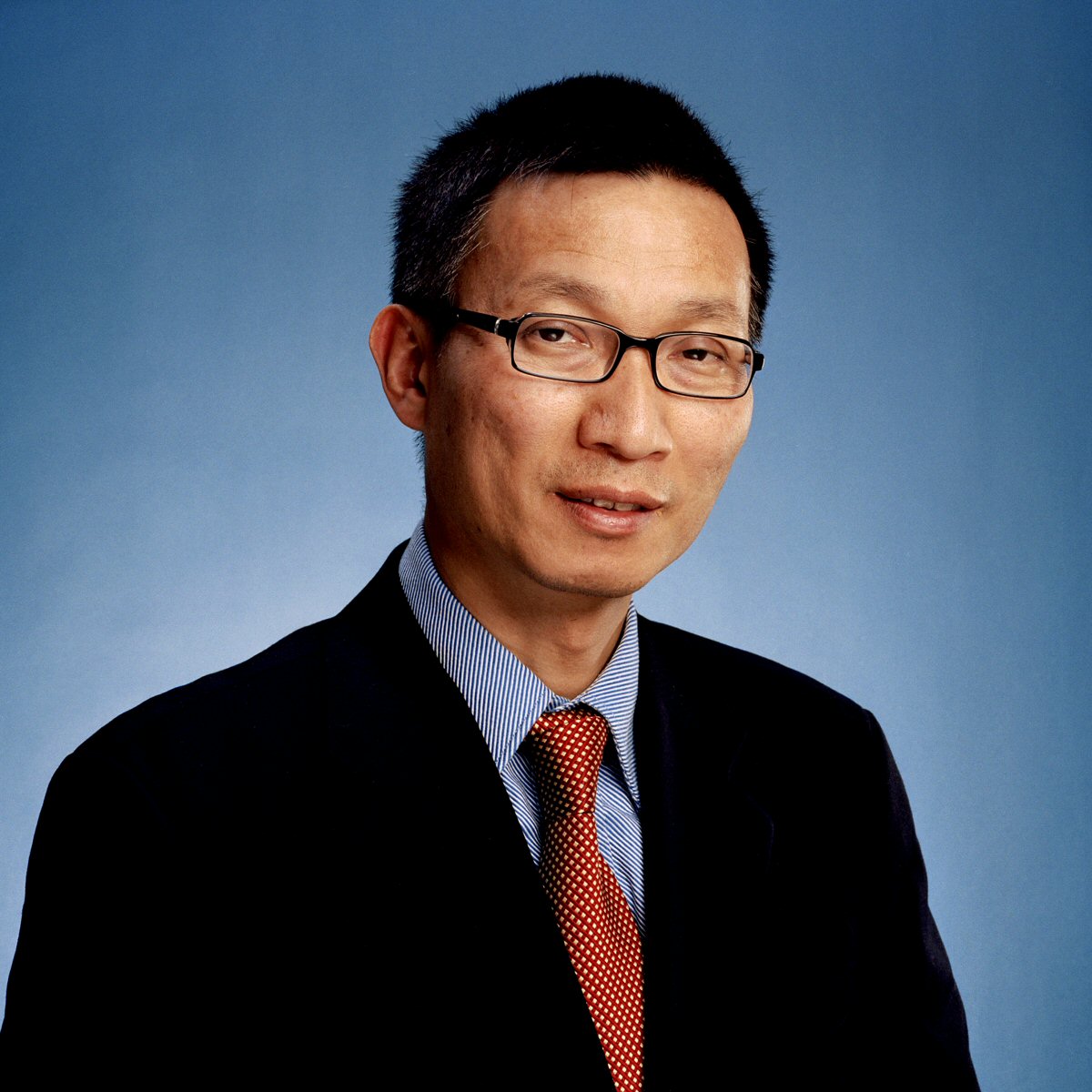
Minxin Pei

Former Adjunct Senior Associate, Asia Program

Pei is Tom and Margot Pritzker ‘72 Professor of Government and the director of the Keck Center for International and Strategic Studies at Claremont McKenna College.

    Recent Work

  • In The Media
    How China Can Avoid the Next Conflict

      Minxin Pei

  • In The Media
    Small Change

      Minxin Pei

Minxin Pei
Former Adjunct Senior Associate, Asia Program
Minxin Pei
Political ReformEconomyForeign PolicyUnited StatesSouth AsiaIndiaEast AsiaChina

Carnegie does not take institutional positions on public policy issues; the views represented herein are those of the author(s) and do not necessarily reflect the views of Carnegie, its staff, or its trustees.

More Work from Carnegie Endowment for International Peace

  • One man tossing a sack to another to stack on a truck
    Commentary
    Emissary
    The Other Global Crisis Stemming From the Strait of Hormuz’s Blockage

    Even if the Iran war stops, restarting production and transport for fertilizers and their components could take weeks—at a crucial moment for planting.

      • Noah  Gordon ​​​​

      Noah Gordon, Lucy Corthell

  • Commentary
    Diwan
    Shockwaves Across the Gulf

    The countries in the region are managing the fallout from Iranian strikes in a paradoxical way.

      • Angie Omar

      Angie Omar

  • Commentary
    Strategic Europe
    Taking the Pulse: Is France’s New Nuclear Doctrine Ambitious Enough?

    French President Emmanuel Macron has unveiled his country’s new nuclear doctrine. Are the changes he has made enough to reassure France’s European partners in the current geopolitical context?

      • Rym Momtaz

      Rym Momtaz, ed.

  • Commentary
    The Iran War’s Dangerous Fallout for Europe

    The drone strike on the British air base in Akrotiri brings Europe’s proximity to the conflict in Iran into sharp relief. In the fog of war, old tensions in the Eastern Mediterranean risk being reignited, and regional stakeholders must avoid escalation.

      Marc Pierini

  • Commentary
    Diwan
    The U.S. Risks Much, but Gains Little, with Iran

    In an interview, Hassan Mneimneh discusses the ongoing conflict and the myriad miscalculations characterizing it.

      Michael Young

Get more news and analysis from
Carnegie Endowment for International Peace
Carnegie global logo, stacked
1779 Massachusetts Avenue NWWashington, DC, 20036-2103Phone: 202 483 7600Fax: 202 483 1840
  • Research
  • Emissary
  • About
  • Experts
  • Donate
  • Programs
  • Events
  • Blogs
  • Podcasts
  • Contact
  • Annual Reports
  • Careers
  • Privacy
  • For Media
  • Government Resources
Get more news and analysis from
Carnegie Endowment for International Peace
© 2026 Carnegie Endowment for International Peace. All rights reserved.