

Research
- +6
Yasmine Farouk, Nathan J. Brown, Maysaa Shuja Al-Deen, …
{
  "authors": [
    "Michele Dunne"
  ],
  "type": "legacyinthemedia",
  "centerAffiliationAll": "dc",
  "centers": [
    "Carnegie Endowment for International Peace"
  ],
  "collections": [],
  "englishNewsletterAll": "menaTransitions",
  "nonEnglishNewsletterAll": "",
  "primaryCenter": "Carnegie Endowment for International Peace",
  "programAffiliation": "MEP",
  "programs": [
    "Middle East"
  ],
  "projects": [],
  "regions": [
    "North America",
    "United States",
    "North Africa",
    "Egypt"
  ],
  "topics": [
    "Political Reform",
    "Democracy",
    "Foreign Policy"
  ]
}
REQUIRED IMAGE
Egyptian President Hosni Mubarak's return to Washington offers the opportunity to discuss the Egyptian role in the Arab-Israeli peace process and to examine the important issue of succession.
Source: Charlie Rose Show
Arriving in Washington for the first time in 5 years, Egyptian President Hosni Mubarak has been eager to show that he is back in the good graces of the White House. The timing of his visit is of particular importance, given Egypt’s role in the Arab-Israeli peace process and the expected announcement by the Obama administration of a new peace initiative to break the current impasse. According to Michele Dunne, Mubarak “wanted to get in his thoughts before Obama announces his peace initiative. He is pressing Obama to be forceful and even impose a solution.”
President Mubarak is 81 and in ailing health. Who will succeed him is a “mega-issue” in the Egyptian street right now. Mubarak has not given a firm indication that he will run for office again in two years. However, Dunne suggests, “Clearly his son [Gamal] is being positioned in every way, through the constitution, through the ruling party, through new laws that have been passed. He is the logical candidate for the ruling party to put up. He isn’t the only possibility, but there has been a large framework for Gamal to succeed.”
Ultimately, what happens in Egypt will be closely scrutinized, because what happens there “counts tremendously in the Arab world. Whether or not there will be reform or a move towards a more open political system is hugely important for the rest of the region.”

Former Nonresident Scholar, Middle East Program
Michele Dunne was a nonresident scholar in Carnegie’s Middle East Program, where her research focuses on political and economic change in Arab countries, particularly Egypt, as well as U.S. policy in the Middle East.
Recent Work


Yasmine Farouk, Nathan J. Brown, Maysaa Shuja Al-Deen, …
Robert Springborg, Emile Hokayem, Becca Wasser, …
Carnegie does not take institutional positions on public policy issues; the views represented herein are those of the author(s) and do not necessarily reflect the views of Carnegie, its staff, or its trustees.
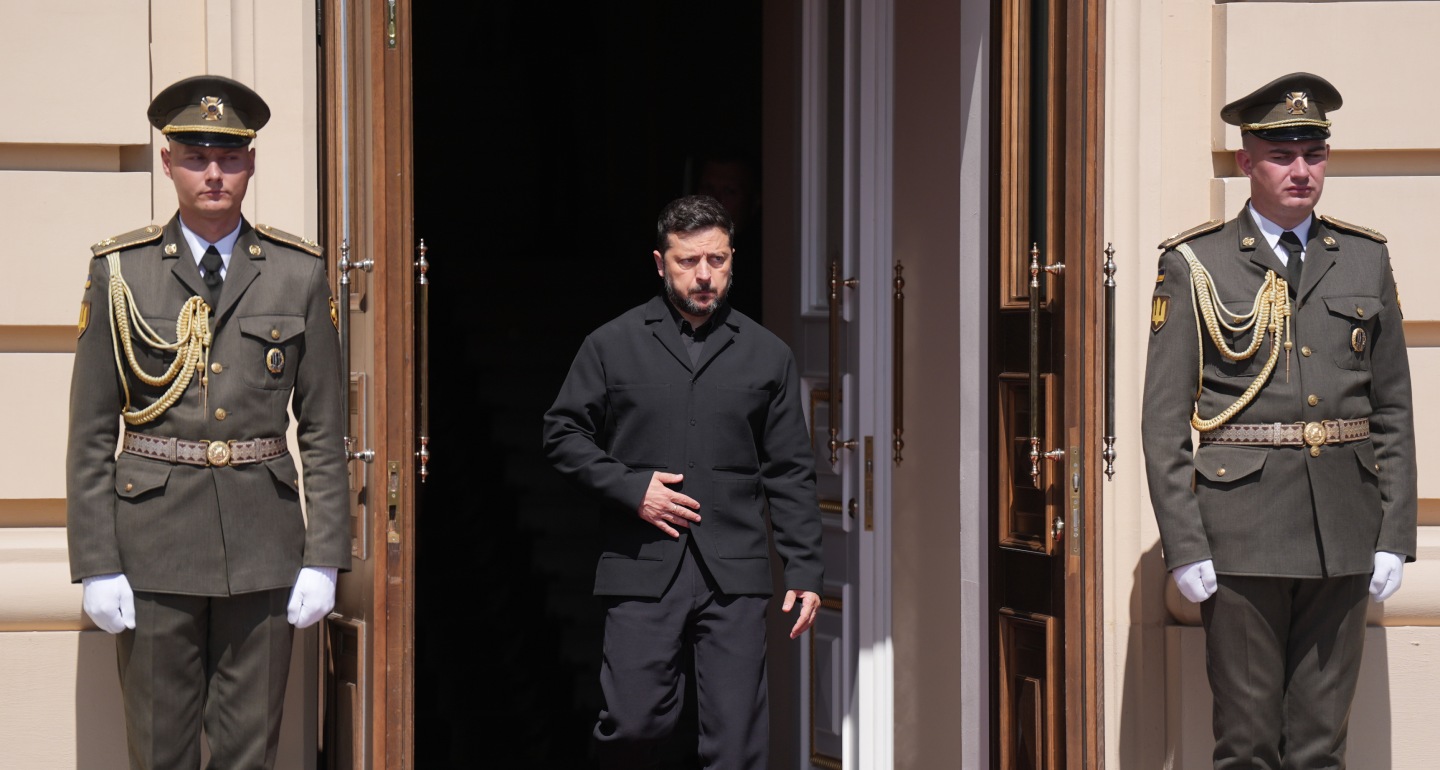
Ultimately, Zelensky sided neither with the reform camp nor with the military establishment as such, but with political control.

Balázs Jarábik
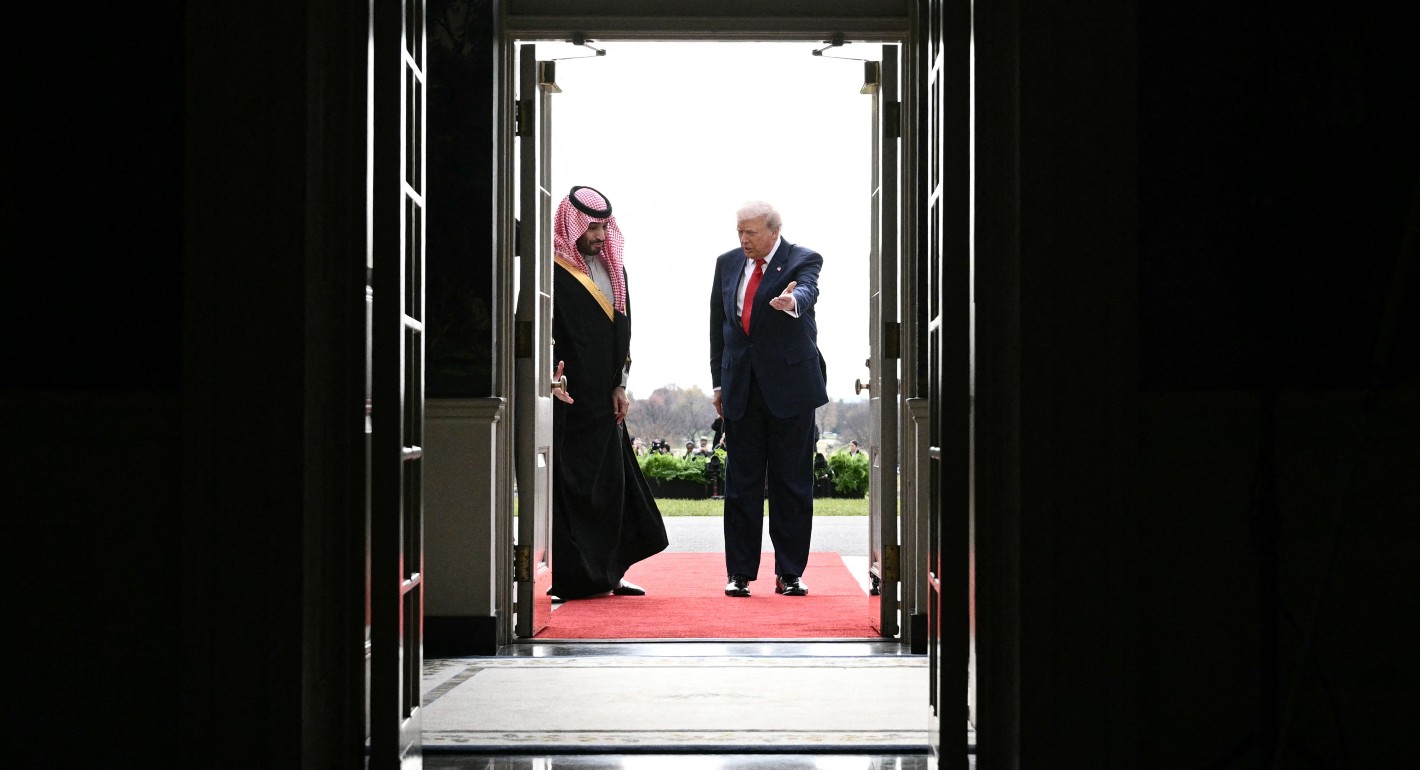
Despite the agreement’s uncertainty, it’s still a significant development in regional and nuclear policy.


Andrew Leber, Jane Darby Menton
“AI safety in parallel” is modest and pragmatic but vital.

Matt Sheehan

Trump is distracted and Ukraine wants Europe to step up. The continent’s leaders must find their voice and assert it in talks with Russia.

Alissa de Carbonnel
Unresolved tensions within the AfD may ultimately constrain the its potential as a leader among European and global populist forces.
Jeremy Cliffe