

Q&A
Christopher Boucek
{
  "authors": [
    "Christopher Boucek"
  ],
  "type": "legacyinthemedia",
  "centerAffiliationAll": "dc",
  "centers": [
    "Carnegie Endowment for International Peace"
  ],
  "collections": [],
  "englishNewsletterAll": "menaTransitions",
  "nonEnglishNewsletterAll": "",
  "primaryCenter": "Carnegie Endowment for International Peace",
  "programAffiliation": "MEP",
  "programs": [
    "Middle East"
  ],
  "projects": [],
  "regions": [
    "Yemen"
  ],
  "topics": [
    "Political Reform",
    "Security"
  ]
}
Source: Getty
The increasing instability in Yemen has raised concern in the international community. A failed Yemeni state could serve as a perfect safe haven for Al-Qaeda, particularly because Yemen does not possess the resources to combat these type of organizations.
Source: BBC's Analysis

Of most interest to the international community is the looming threat of an Al-Qaeda resurgence in the country. Unfortunately, Yemen does not have the capacity to fight Al-Qaeda like Saudi Arabia. “The Saudis were able to drive a wedge between the public and the extremists and demonstrate that the extremists were not thinking in the people’s interest. The Saudi’s were able to do that because they have a strong central government and a very rich government with resources, legitimacy and religious credibility. We do not see any of these things in Yemen,” remarks Boucek.
With the overall crisis in Yemen continuing to metastasize, the international community is beginning to pay more attention and American security officials discuss Yemen as a major area of concern. However, “at the same time, no administration in the last 50 years has had as many problems to deal with,” noted Boucek. “Yemen is down on the list of action items for most governments."

Former Associate, Middle East Program
Boucek was an associate in the Carnegie Middle East Program where his research focused on security challenges in the Arabian Peninsula and Northern Africa.
Recent Work
Christopher Boucek

Christopher Boucek, Karim Sadjadpour
Carnegie does not take institutional positions on public policy issues; the views represented herein are those of the author(s) and do not necessarily reflect the views of Carnegie, its staff, or its trustees.
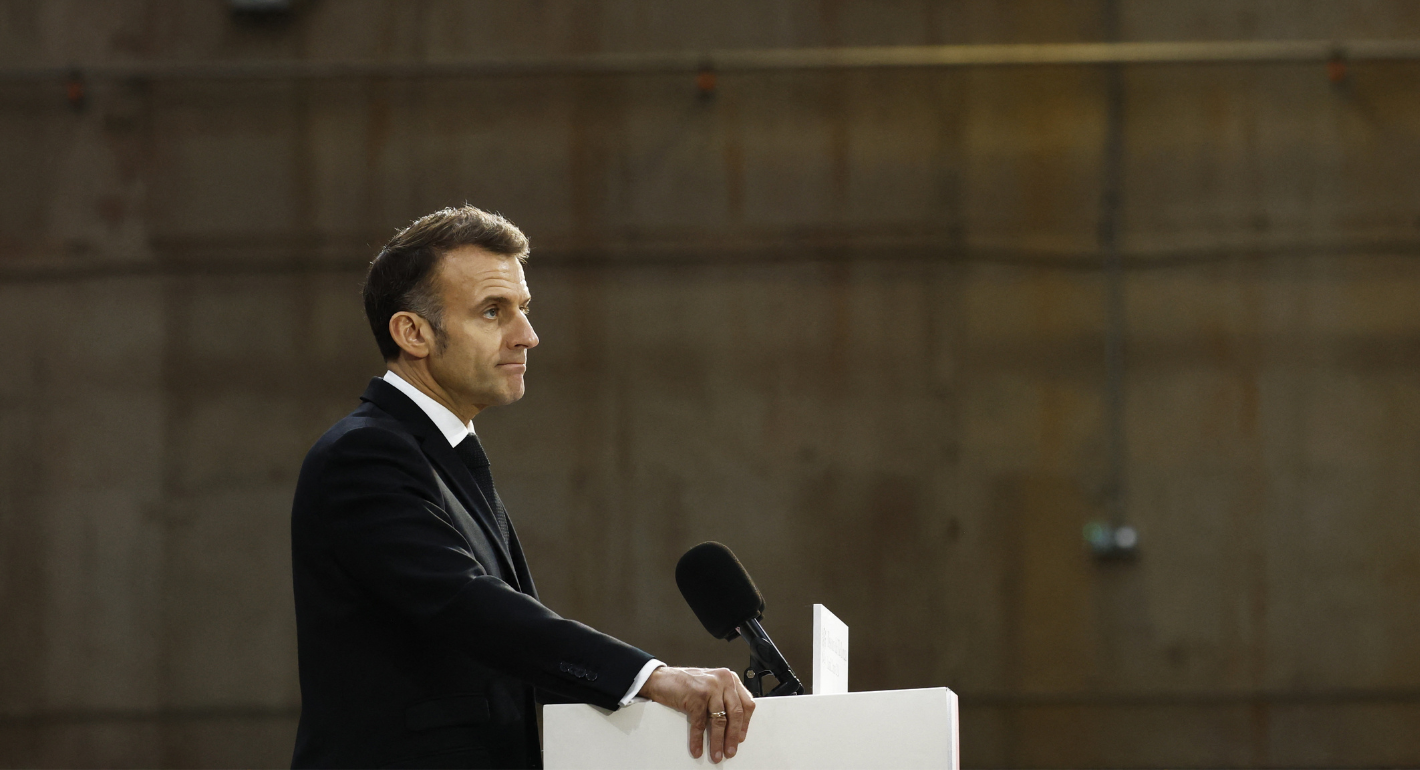
French President Emmanuel Macron has unveiled his country’s new nuclear doctrine. Are the changes he has made enough to reassure France’s European partners in the current geopolitical context?

Rym Momtaz, ed.
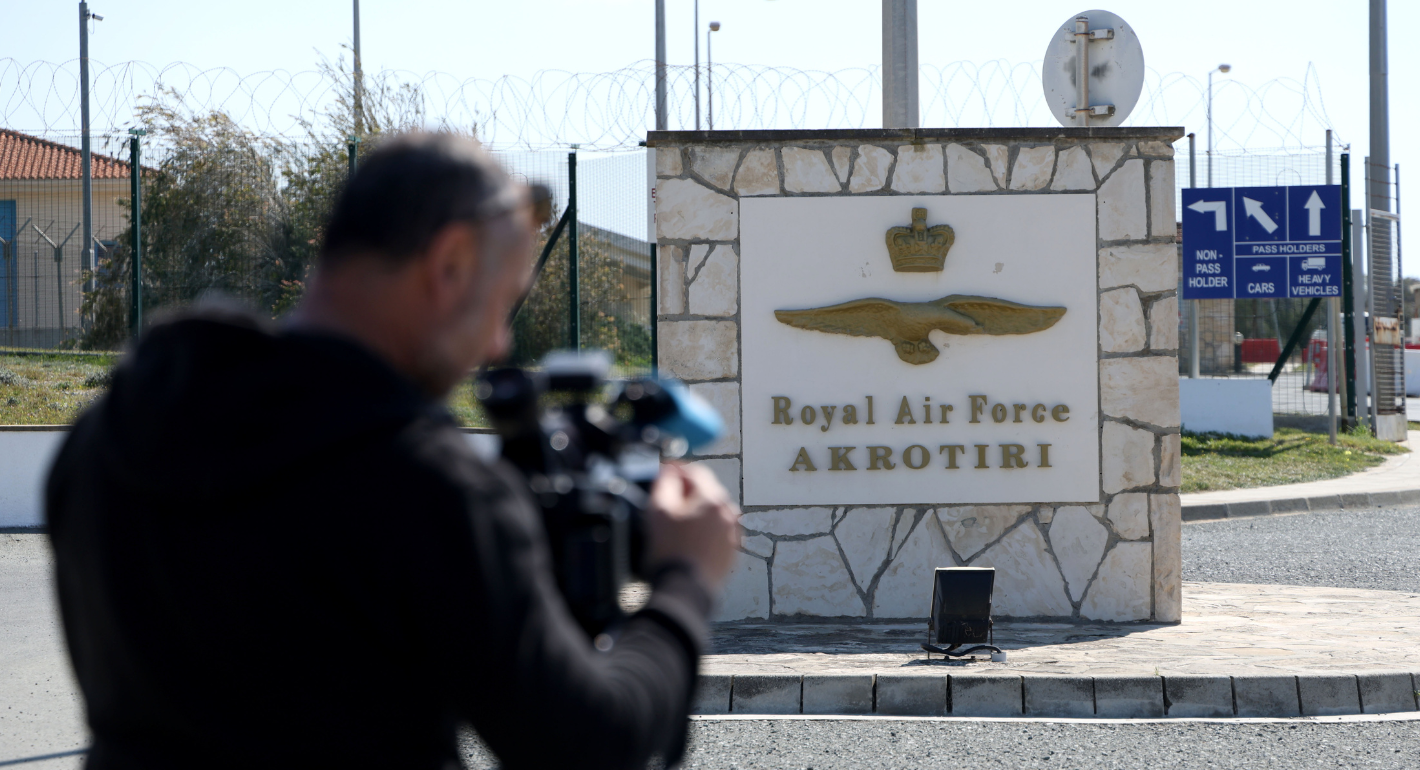
The drone strike on the British air base in Akrotiri brings Europe’s proximity to the conflict in Iran into sharp relief. In the fog of war, old tensions in the Eastern Mediterranean risk being reignited, and regional stakeholders must avoid escalation.

Marc Pierini
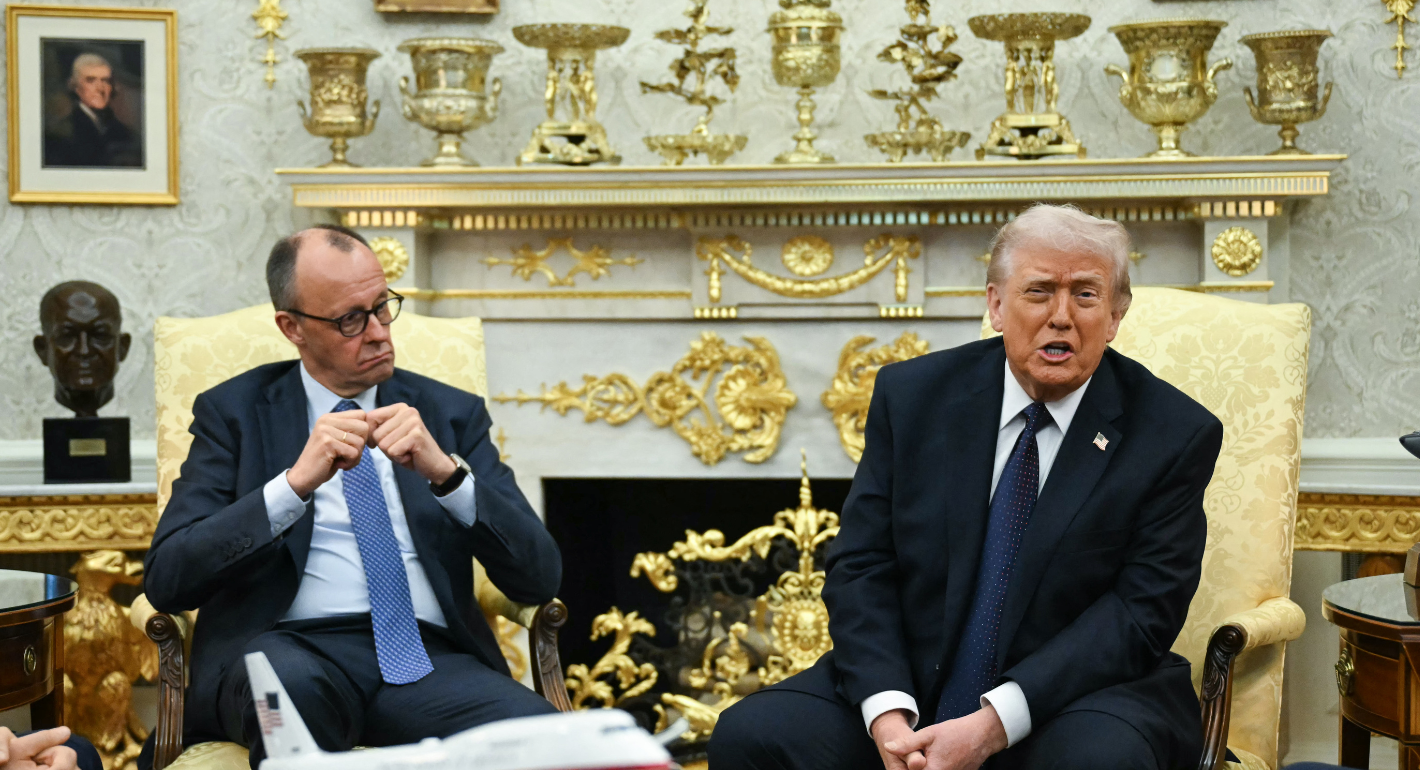
European reactions to the war in Iran have lost sight of wider political dynamics. The EU must position itself for the next phase of the crisis without giving up on its principles.

Richard Youngs
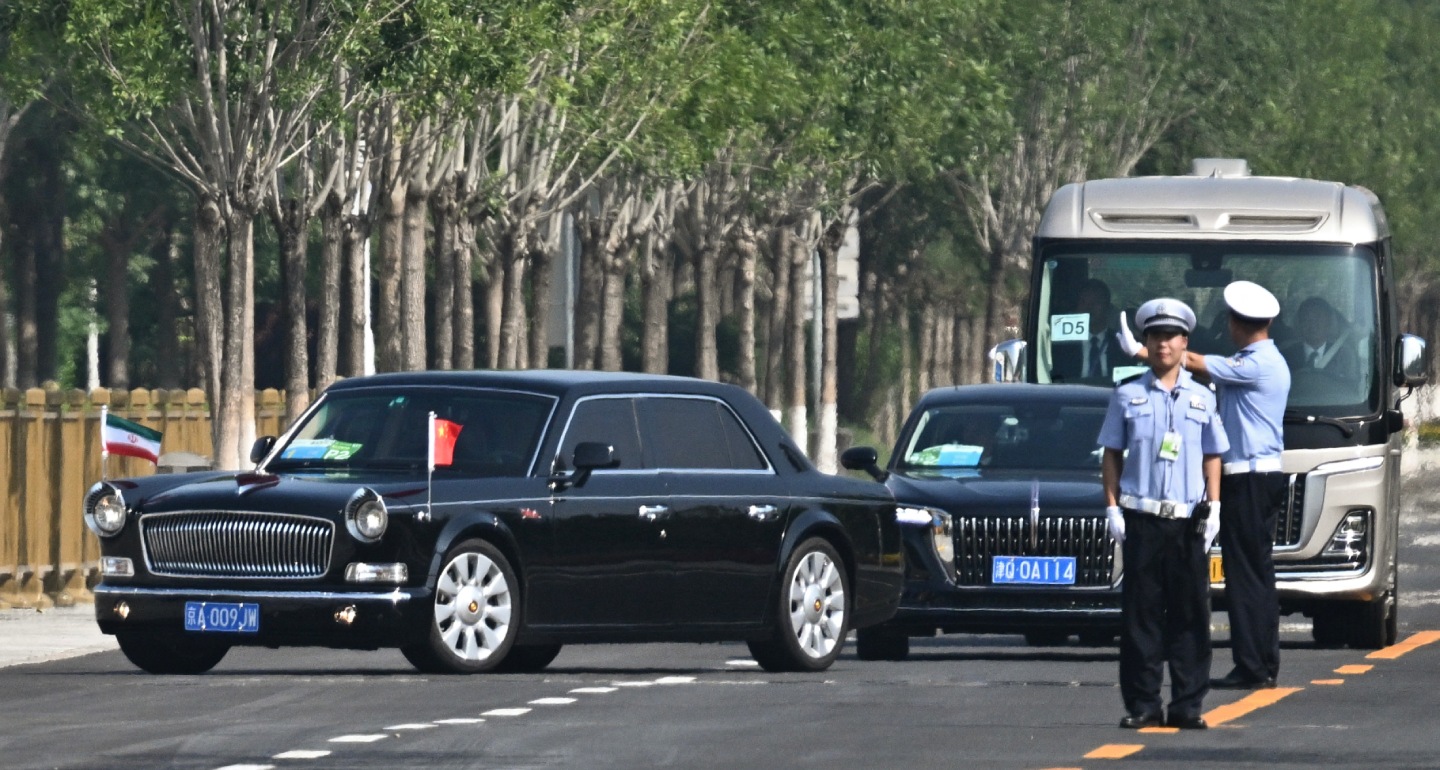
Most of Moscow’s military resources are tied up in Ukraine, while Beijing’s foreign policy prioritizes economic ties and avoids direct conflict.


Alexander Gabuev, Temur Umarov
But to achieve either, it needs to retain Washington’s ear.

Alper Coşkun