

Q&A
Deepti Choubey
{
  "authors": [
    "Deepti Choubey"
  ],
  "type": "legacyinthemedia",
  "centerAffiliationAll": "dc",
  "centers": [
    "Carnegie Endowment for International Peace"
  ],
  "collections": [],
  "englishNewsletterAll": "ctw",
  "nonEnglishNewsletterAll": "",
  "primaryCenter": "Carnegie Endowment for International Peace",
  "programAffiliation": "NPP",
  "programs": [
    "Nuclear Policy"
  ],
  "projects": [],
  "regions": [
    "Middle East",
    "Iran"
  ],
  "topics": [
    "Nuclear Policy"
  ]
}
Source: Getty
Iran has test-fired advanced missiles, just days before international negotiations over its nuclear program take place on October 1. The key issue at hand, however, is the recent disclosure of its clandestine centrifuge facility near Qom.
Source: Southern California Public Radio

"The Iranians are actually in violation of their agreements with the IAEA which were agreed to in February of 2003 and as much as they are trying to say that they are not and trying to deflect the conversation, this is really the point that I think all states need to come back to in order to get the Iranians to the negotiating table and act seriously."
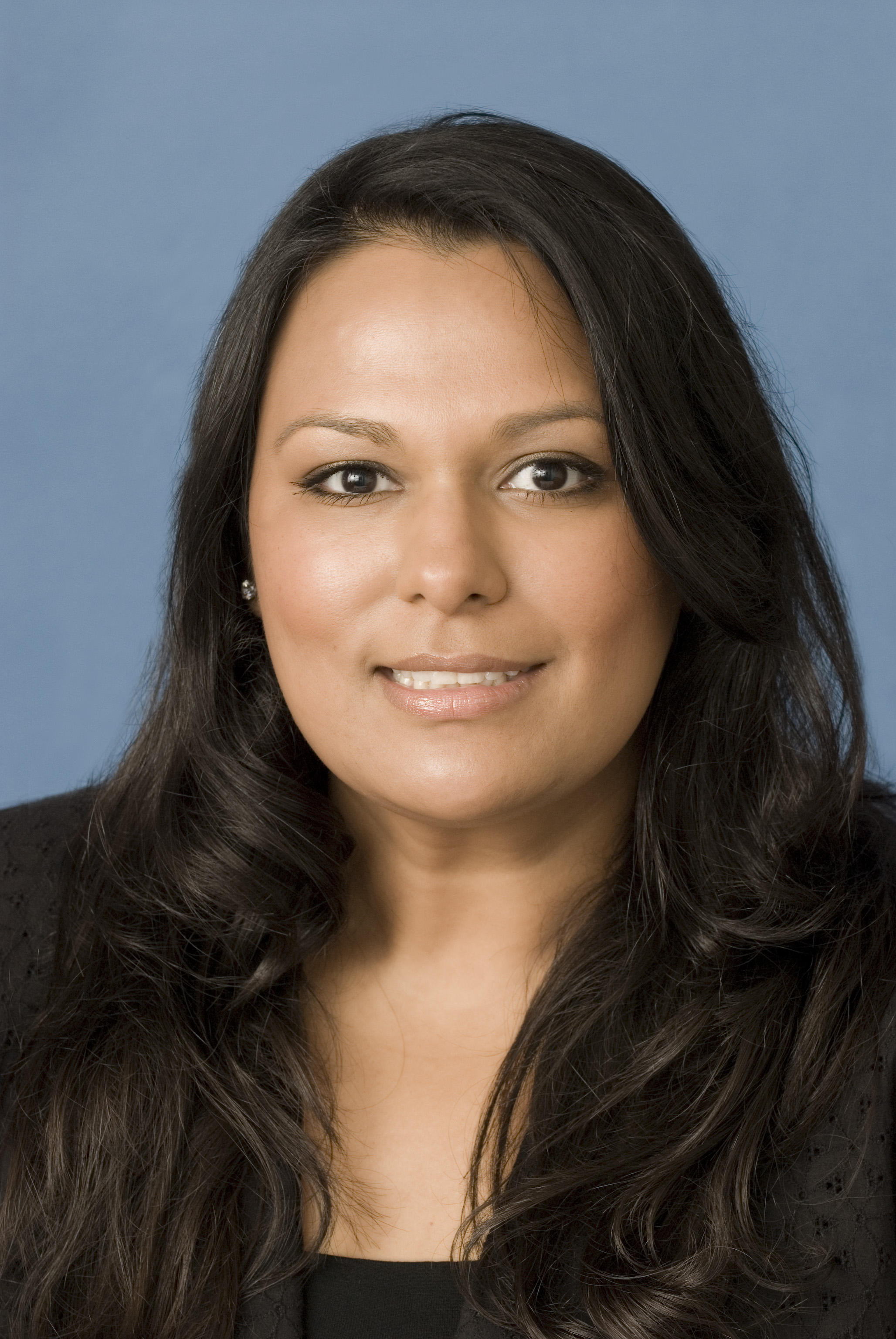
Former Deputy Director, Nuclear Policy Program
Choubey was previously the director of the Peace and Security Initiative for the Ploughshares Fund. She also worked for Ambassador Nancy Soderberg in the New York office of the International Crisis Group.
Recent Work
Deepti Choubey
Deepti Choubey
Carnegie does not take institutional positions on public policy issues; the views represented herein are those of the author(s) and do not necessarily reflect the views of Carnegie, its staff, or its trustees.
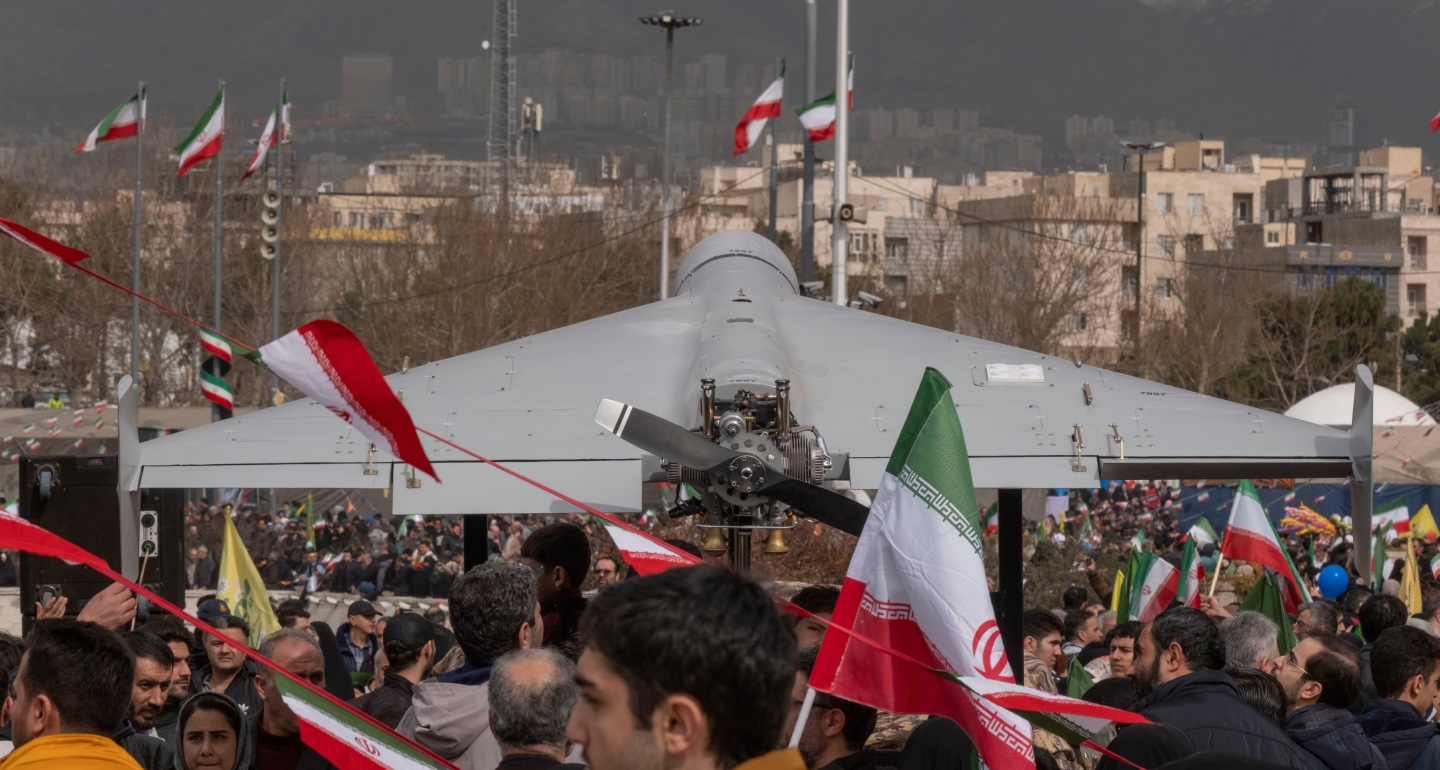
The Russian leadership wants to avoid a dangerous precedent in which it is squeezed out of Iran by the United States and Israel—and left powerless to respond in any meaningful way.

Nikita Smagin
One is hopeful. One is realistic. One is cautionary.

Andrew Leber, Sam Worby
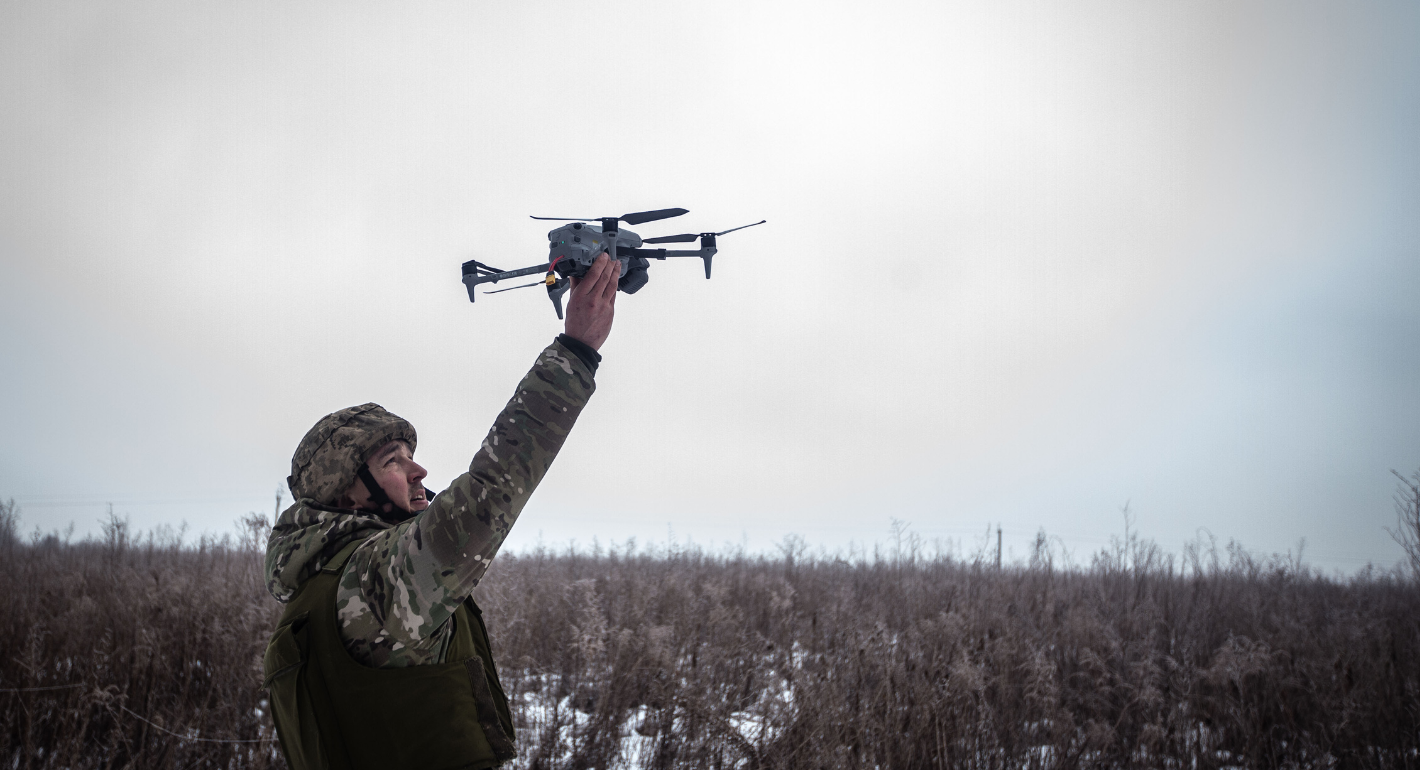
In Ukraine, Gaza, and Iran, AI warfare has come to dominate, with barely any oversight or accountability. Europe must lead the charge on the responsible use of new military technologies.

Raluca Csernatoni
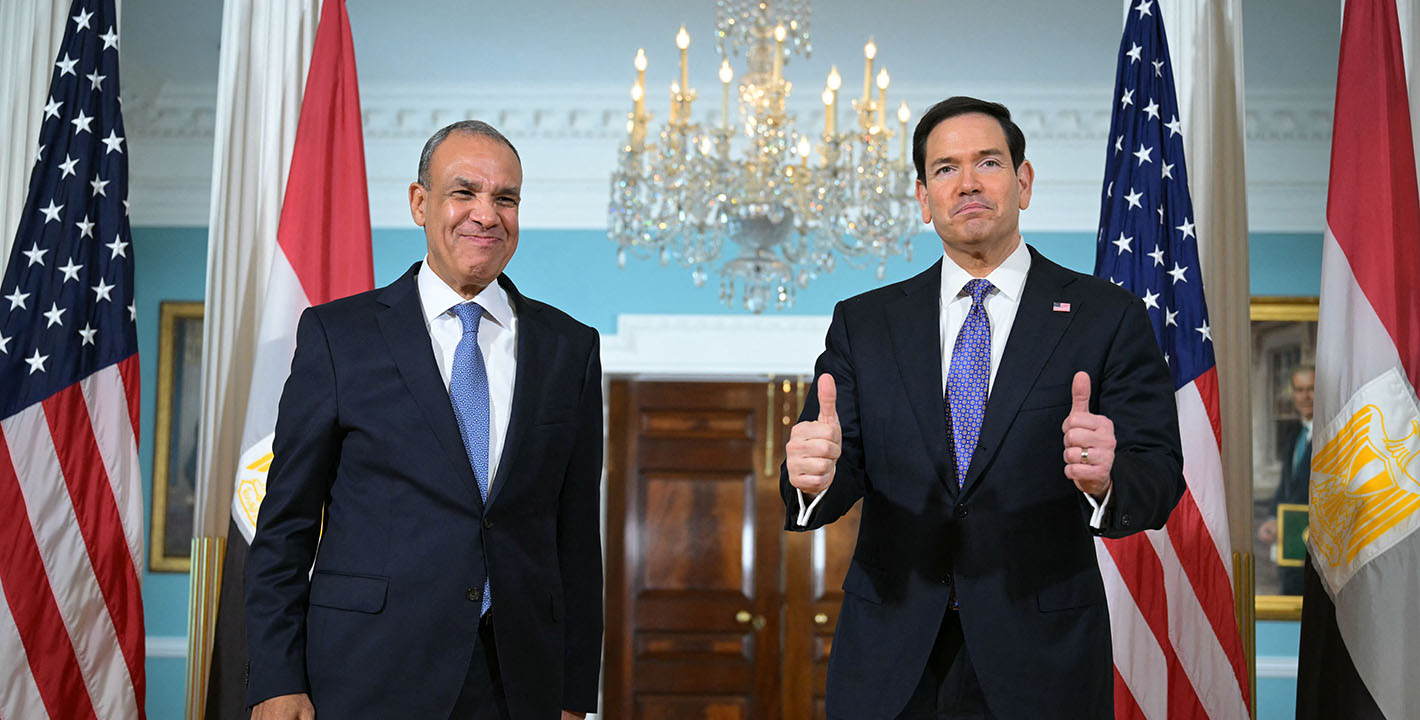
Cairo’s efforts send a message to the United States and the region that it still has a place at the diplomatic table.

Angie Omar
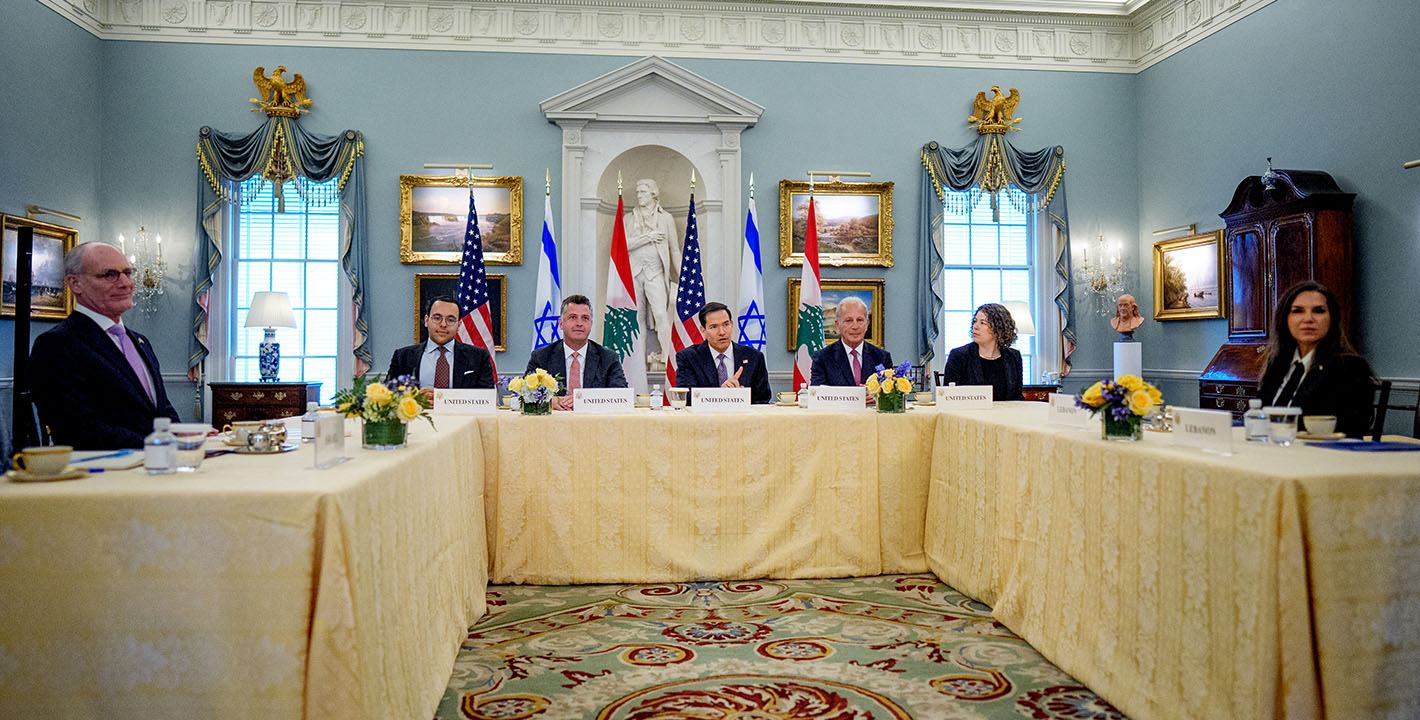
Beirut’s desire to break free from Iranian hegemony may push it into a situation where it has to accept Israel’s hegemony.

Michael Young