

Paper
James M. Acton, Ankit Panda
{
  "authors": [
    "James M. Acton"
  ],
  "type": "legacyinthemedia",
  "centerAffiliationAll": "dc",
  "centers": [
    "Carnegie Endowment for International Peace"
  ],
  "collections": [
    "U.S. Nuclear Policy"
  ],
  "englishNewsletterAll": "ctw",
  "nonEnglishNewsletterAll": "",
  "primaryCenter": "Carnegie Endowment for International Peace",
  "programAffiliation": "NPP",
  "programs": [
    "Nuclear Policy"
  ],
  "projects": [],
  "regions": [
    "North America",
    "United States",
    "Western Europe",
    "United Kingdom"
  ],
  "topics": [
    "Nuclear Policy"
  ]
}
Source: Getty
The passage of a UN Security Council resolution on nonproliferation and disarmament is the first evidence that the Obama administration's strategy of achieving an eventual "world without nuclear weapons" is paying off.
Source: BBC News
In a special meeting presided over by President Obama, on September 24, 2009, the UN Security Council unanimously passed a resolution on nuclear nonproliferation and disarmament. It is the first evidence that the U.S. strategy for achieving an eventual “world without nuclear weapons” is paying off. In an interview on BBC News, James M. Acton says:
"What this resolution does is it starts to hammer out a 'nonproliferation for disarmament' quid pro quo. The nuclear-weapon states are going to do their part on moving towards a world free of nuclear weapons while the non-nuclear-weapon states are then being asked to do their part on preventing the proliferation of nuclear weapons."

Jessica T. Mathews Chair, Co-director, Nuclear Policy Program
Acton holds the Jessica T. Mathews Chair and is co-director of the Nuclear Policy Program at the Carnegie Endowment for International Peace.
Recent Work

James M. Acton, Ankit Panda
James M. Acton
Carnegie does not take institutional positions on public policy issues; the views represented herein are those of the author(s) and do not necessarily reflect the views of Carnegie, its staff, or its trustees.
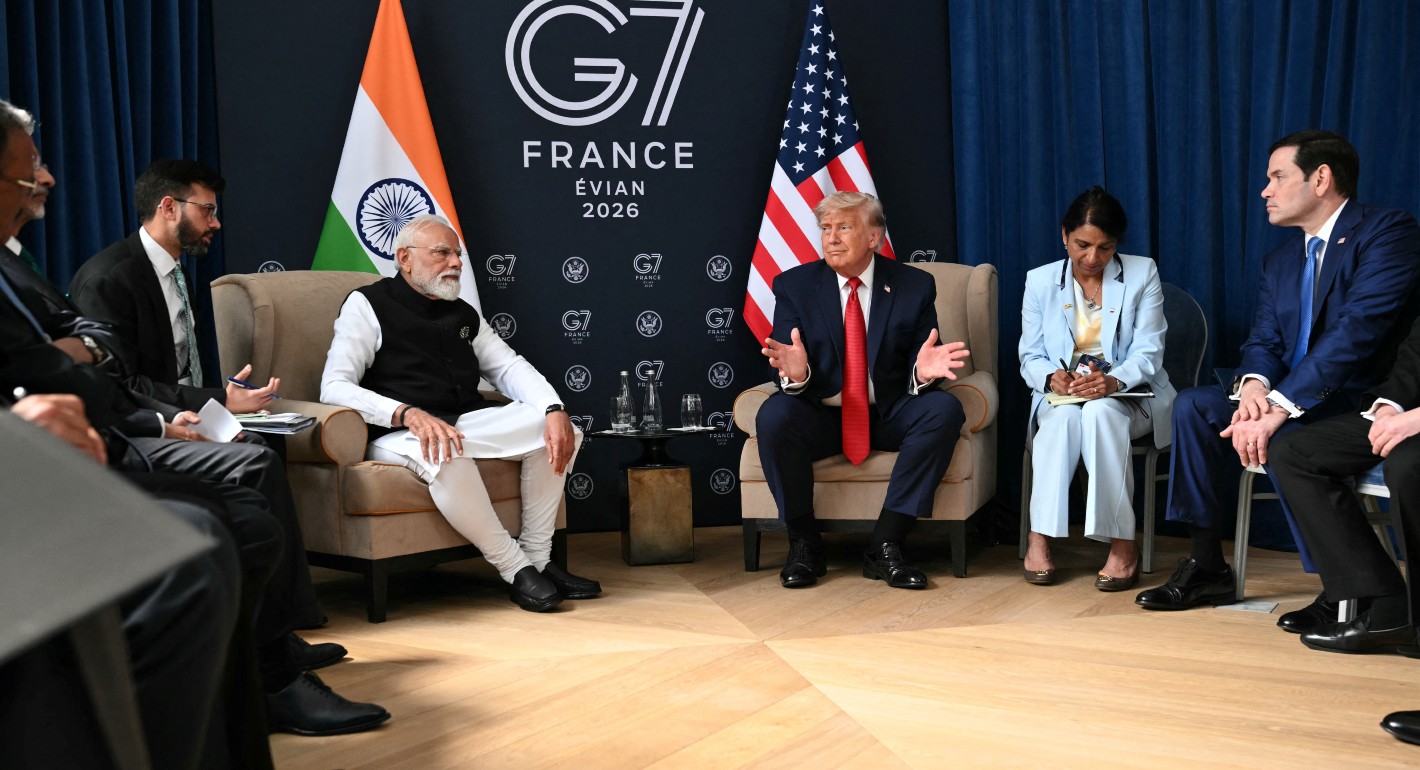
Despite public disputes over trade and immigration, the strategic partnership’s foundations remain sturdy.

Sameer Lalwani
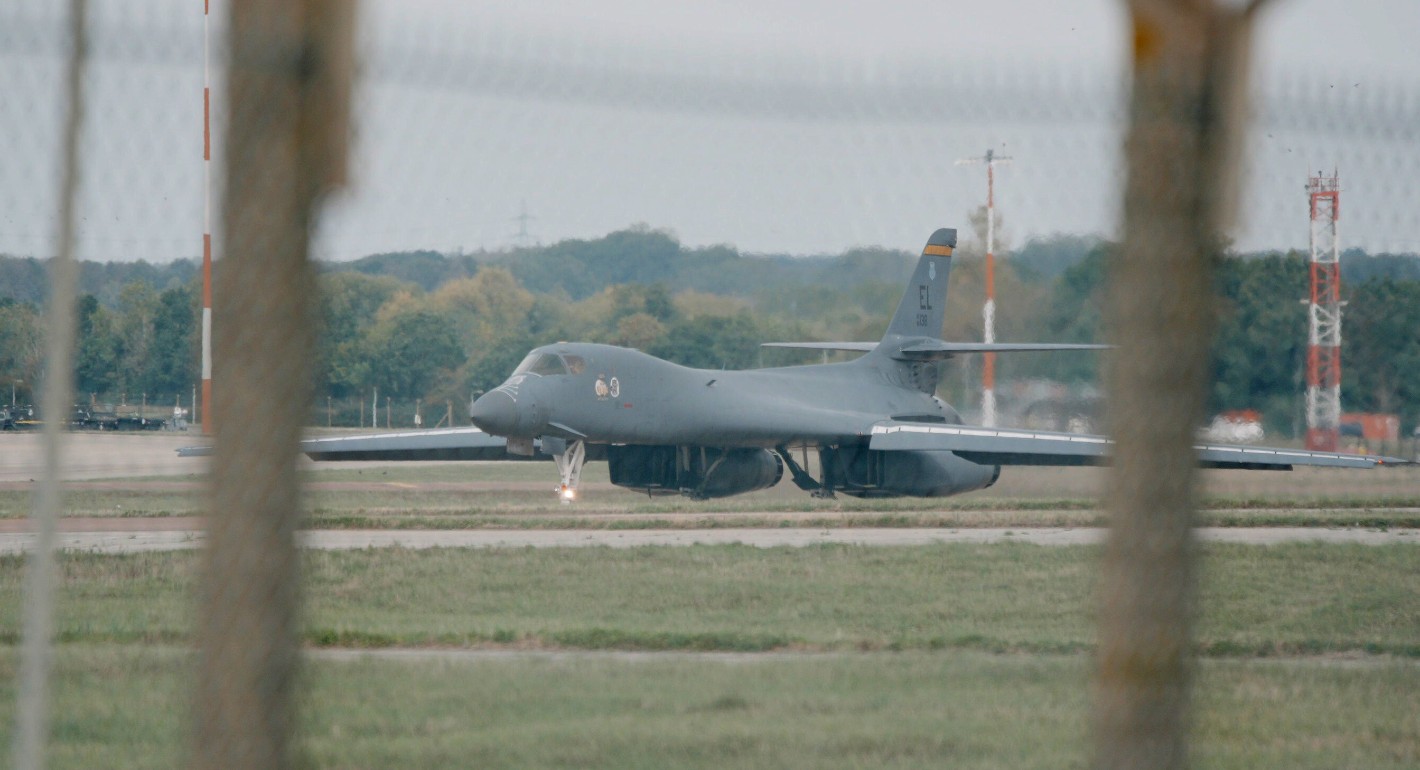
It signals a new era of tech diffusion and warfare.

Steve Feldstein

Ahead of a tough winter for Ukraine, Donald Trump’s swing back toward Russia bodes ill. But instead of panicking, Kyiv’s European allies are focusing on action.

Rym Momtaz

Despite its flop at the box office, the film raises important questions for the climate community to answer.

Leonardo Martinez-Diaz

In an interview, Rozina Ali discusses her new book on the rise and manifestations of Islamophobia in the United States.

Michael Young