

Article
Amel Boubekeur
{
  "authors": [
    "Amel Boubekeur"
  ],
  "type": "legacyinthemedia",
  "centerAffiliationAll": "dc",
  "centers": [
    "Carnegie Endowment for International Peace",
    "Malcolm H. Kerr Carnegie Middle East Center"
  ],
  "collections": [],
  "englishNewsletterAll": "menaTransitions",
  "nonEnglishNewsletterAll": "",
  "primaryCenter": "Malcolm H. Kerr Carnegie Middle East Center",
  "programAffiliation": "MEP",
  "programs": [
    "Middle East"
  ],
  "projects": [],
  "regions": [
    "North Africa",
    "Tunisia"
  ],
  "topics": [
    "Political Reform"
  ]
}
Source: Getty
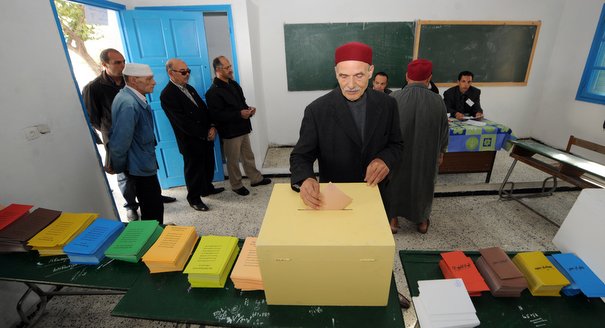
Tunisian President Benali has been in power for 22 years and he continues to justify stalling political reforms by pointing to the "Islamist threat." Today, there is certainly no chance to have an Islamist party in Tunisia but any democratic reconsideration of the regime is impossible as well.
Source: The Huffington Post

Annahda, created in 1989 and led by Rachid Ghannouchi currently in exile in London, found itself shattered in the late 1990s and forced to rethink its oppositional strategy toward the State. Faced with this new "conciliation" framework, but also under the pressure of various international Human Rights organizations, the President Benali pardoned many prisoners and allowed the return of some exiled activists between 1999 and 2008. Now, even a small minority of former Annahda members have supported Benali's presidential candidacy.

Former Resident Scholar, Middle East Center
Boubekeur was an associate scholar at the Carnegie Middle East Center. Her research focuses on Maghreb country politics, Euro–Arab relations, and Islam in Europe.
Recent Work
Amel Boubekeur
Carnegie does not take institutional positions on public policy issues; the views represented herein are those of the author(s) and do not necessarily reflect the views of Carnegie, its staff, or its trustees.
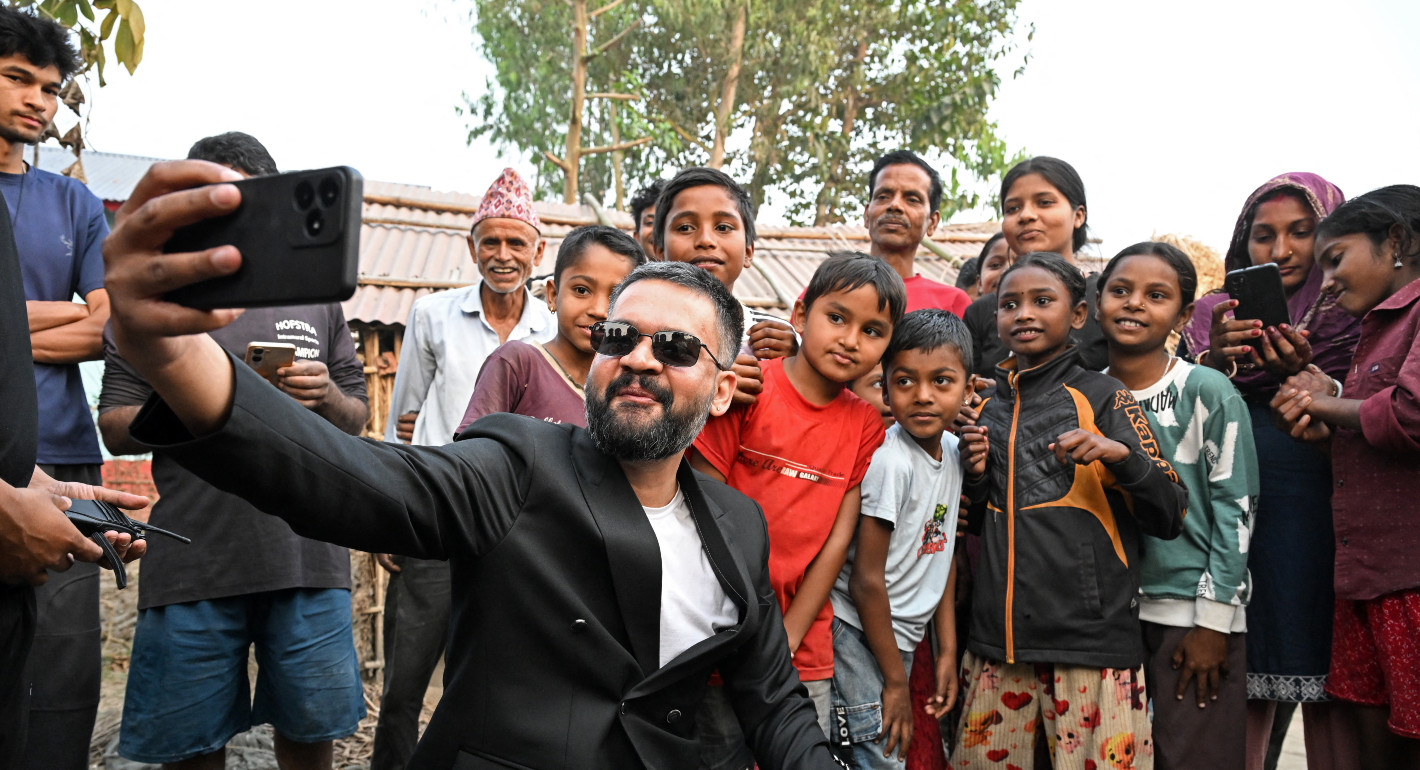
The incoming government has swept Nepal’s election. The real work begins now.
Amish Raj Mulmi

In key sectors such as critical minerals, specialty agriculture, and fintech, Africa can become a global powerhouse by investing more in manufacturing, value-add, and scaling.
Kholofelo Kugler, Georgia Schaefer-Brown
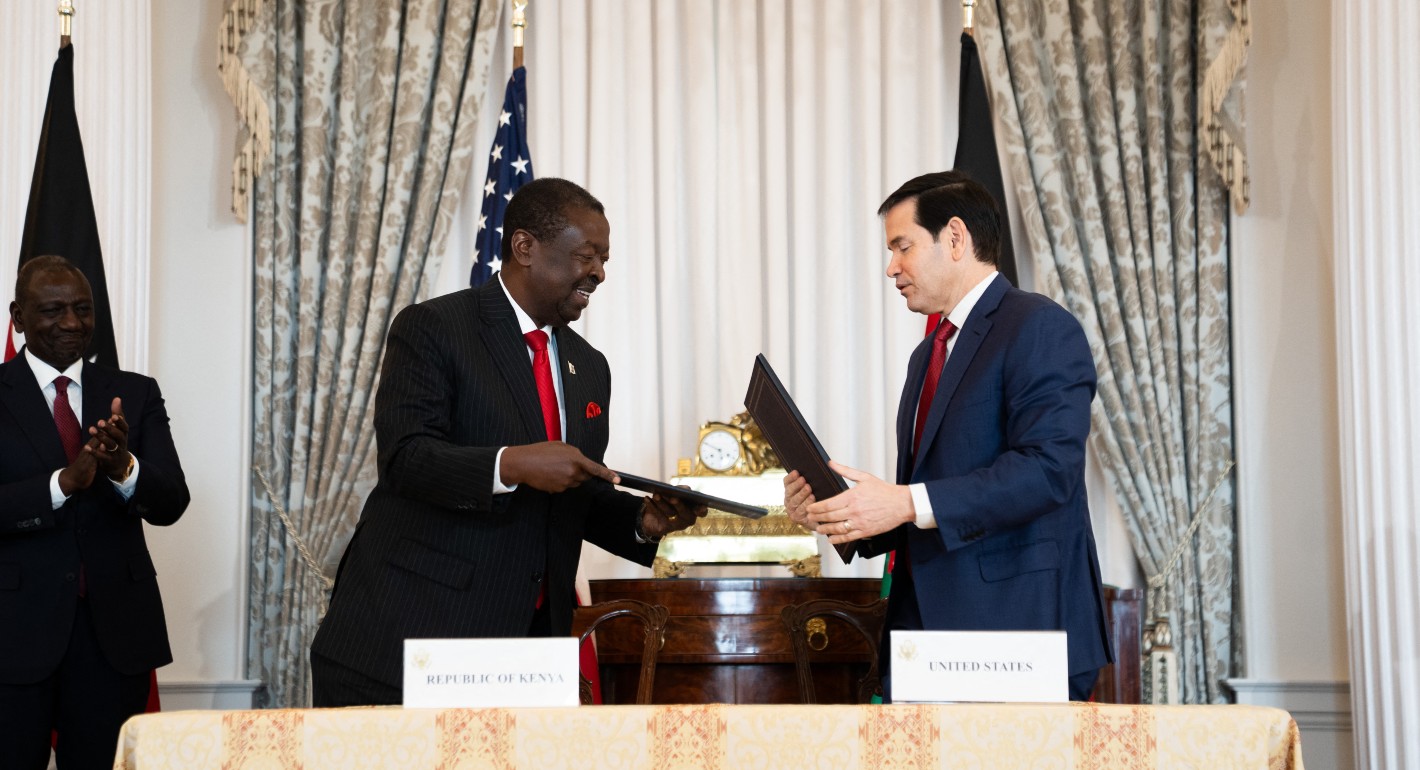
U.S. agreements must contend with national data protection laws to make durable foreign policy instruments.
Jane Munga, Rose Mosero

The front-runner to succeed Ilia II, Metropolitan Shio, is prone to harsh anti-Western rhetoric and frequent criticism of “liberal ideologies” that he claims threaten the Georgian state. This raises fears that under his leadership the Georgian Orthodox Church will lose its unifying role and become an instrument of ultraconservative ideology.

Bashir Kitachaev
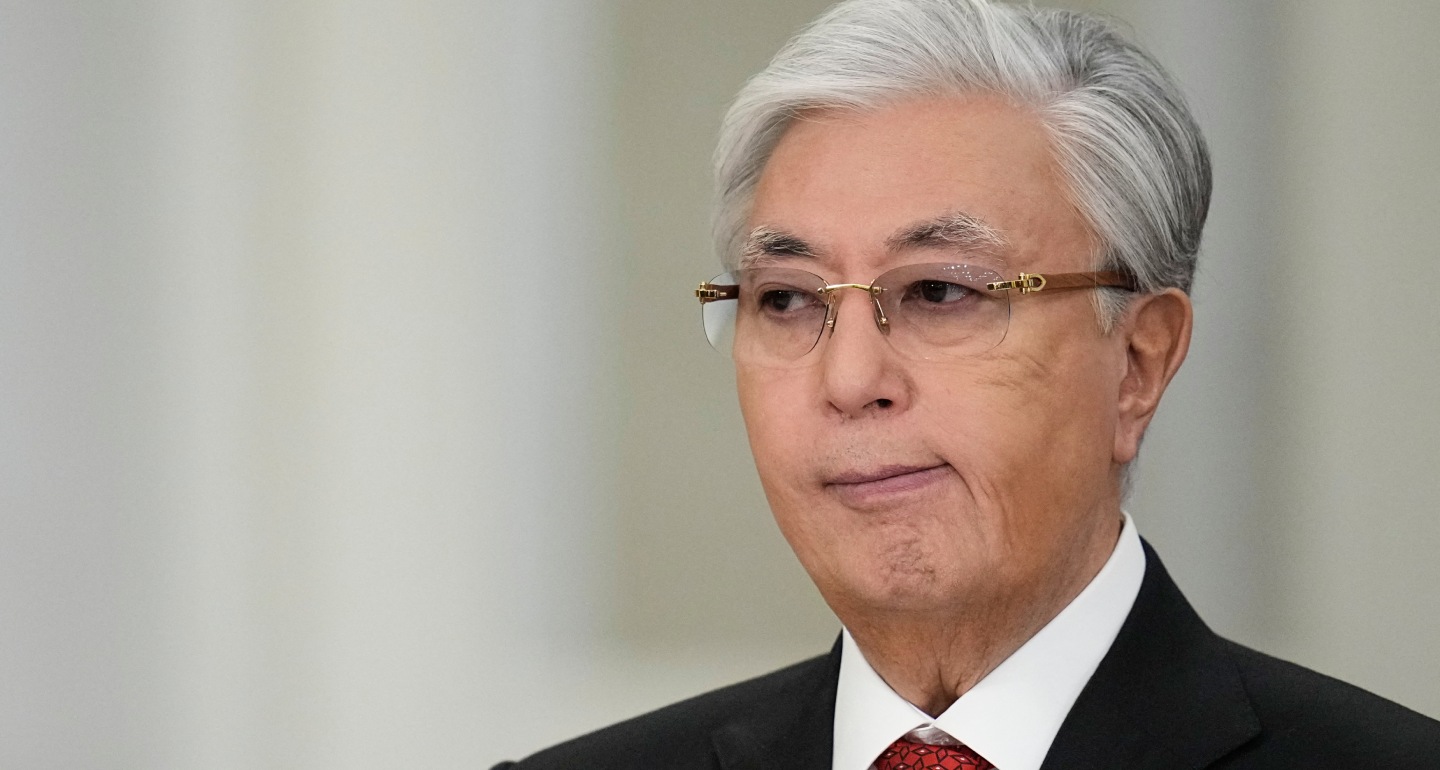
Kazakhstan’s new constitution is an embodiment of the ruling elite’s fears and a self-serving attempt to preserve the status quo while they still can.

Serik Beysembaev