
• Research
  • Emissary
  • About
  • Experts
Carnegie Global logoCarnegie lettermark logo
DemocracyIran
  • Donate
{
  "authors": [
    "Christopher Boucek"
  ],
  "type": "legacyinthemedia",
  "centerAffiliationAll": "dc",
  "centers": [
    "Carnegie Endowment for International Peace"
  ],
  "collections": [],
  "englishNewsletterAll": "menaTransitions",
  "nonEnglishNewsletterAll": "",
  "primaryCenter": "Carnegie Endowment for International Peace",
  "programAffiliation": "MEP",
  "programs": [
    "Middle East"
  ],
  "projects": [],
  "regions": [
    "Middle East",
    "Yemen"
  ],
  "topics": [
    "Political Reform",
    "Security",
    "Foreign Policy"
  ]
}

Source: Getty

In The Media

Guantanamo Detainees and Yemen

As the international community searches for ways to prevent further destabilization in Yemen, the Obama administration is being forced to rethink its plans for the numerous Yemeni detainees at Guantanamo Bay.

Link Copied
By Christopher Boucek
Published on Jan 4, 2010
Program mobile hero image

Program

Middle East

The Middle East Program in Washington combines in-depth regional knowledge with incisive comparative analysis to provide deeply informed recommendations. With expertise in the Gulf, North Africa, Iran, and Israel/Palestine, we examine crosscutting themes of political, economic, and social change in both English and Arabic.

Learn More

Source: BBC News

In order to tackle the security challenges emanating from al-Qaeda's presence in Yemen, both a short-term and long-term strategy is needed. In the short-term, the Yemenis should employ a kill or capture model for known al-Qaeda operatives. However, “this strategy needs to be performed in fact or perception by the Yemenis. If it is viewed as being performed by the Americans or the British, it will only feed into grievances that fuel al-Qaeda militancy and undermine the Yemeni government,” notes Christopher Boucek. In the long term, the focus of the international community should be to bolster Yemeni state capacity.

As instability in Yemen continues to increase, the Obama administration is being forced to rethink what to do with the numerous Yemeni detainees at Guantanamo Bay. According to Boucek, “The role of former Guantanamo detainees in al-Qaeda demonstrates that the United States needs to do whatever it can to get former detainees into programs that facilitate a return in a system that will support them. These programs are for risk mitigation.”
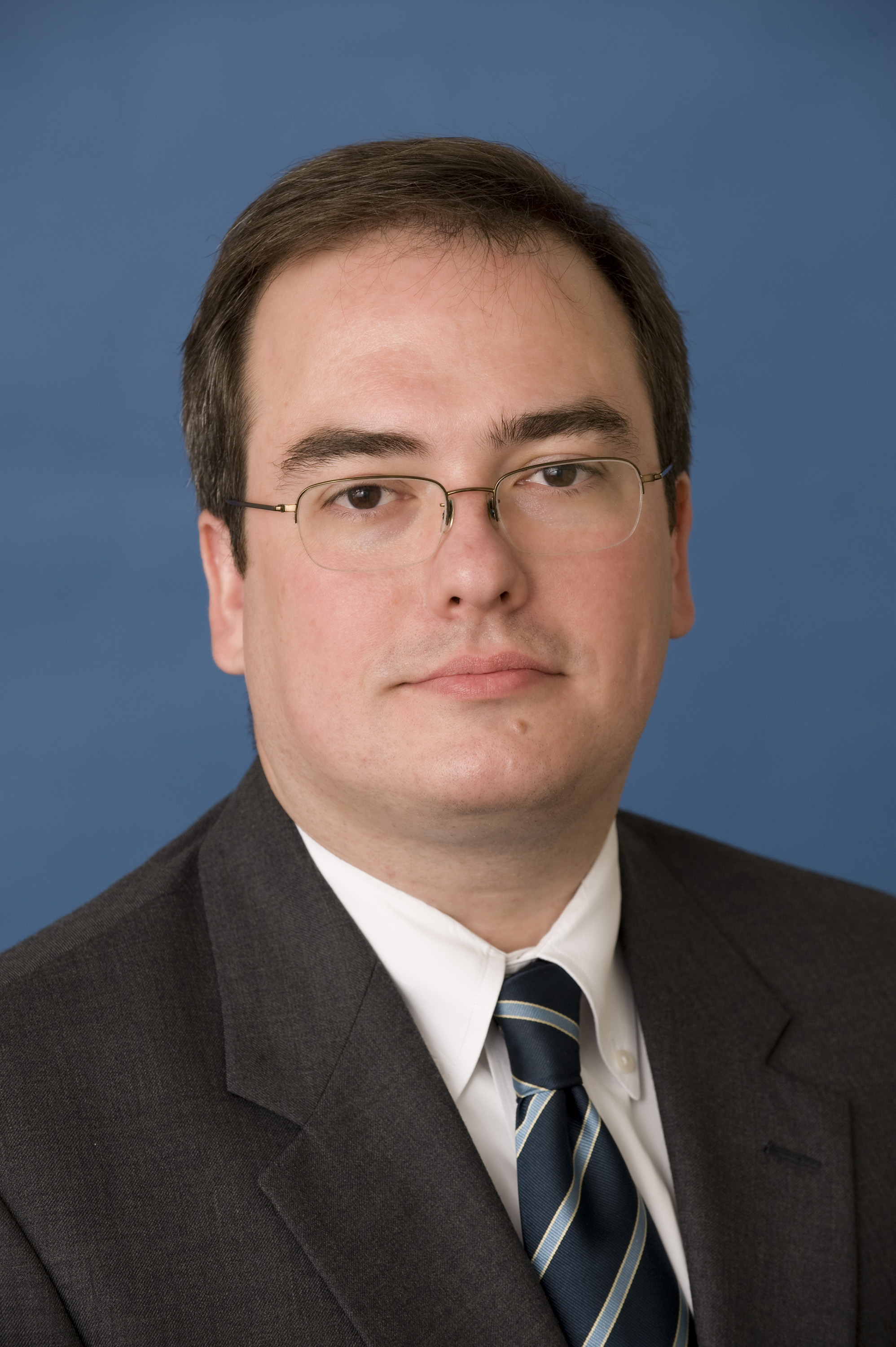
 

About the Author

Christopher Boucek

Former Associate, Middle East Program

Boucek was an associate in the Carnegie Middle East Program where his research focused on security challenges in the Arabian Peninsula and Northern Africa.

    Recent Work

  • Q&A
    Yemen After Saleh’s Return and Awlaki’s Exit

      Christopher Boucek

  • Q&A
    Rivals—Iran vs. Saudi Arabia

      Christopher Boucek, Karim Sadjadpour

Christopher Boucek
Former Associate, Middle East Program
Christopher Boucek
Political ReformSecurityForeign PolicyMiddle EastYemen

Carnegie does not take institutional positions on public policy issues; the views represented herein are those of the author(s) and do not necessarily reflect the views of Carnegie, its staff, or its trustees.

More Work from Carnegie Endowment for International Peace

  • Commentary
    Strategic Europe
    Taking the Pulse: Is France’s New Nuclear Doctrine Ambitious Enough?

    French President Emmanuel Macron has unveiled his country’s new nuclear doctrine. Are the changes he has made enough to reassure France’s European partners in the current geopolitical context?

      • Rym Momtaz

      Rym Momtaz, ed.

  • Commentary
    The Iran War’s Dangerous Fallout for Europe

    The drone strike on the British air base in Akrotiri brings Europe’s proximity to the conflict in Iran into sharp relief. In the fog of war, old tensions in the Eastern Mediterranean risk being reignited, and regional stakeholders must avoid escalation.

      Marc Pierini

  • Indian Prime Minister Narendra Modi, wearing an orange cap, and the Chief Minister of Uttar Pradesh, Yogi Adityanath, dressed in saffron robes, are greeting supporters of the Bharatiya Janata Party (BJP) during a roadshow ahead of the Indian General Elections in Ghaziabad, Uttar Pradesh, India, on April 6, 2024.
    Paper
    India’s Foreign Policy in the Age of Populism

    Domestic mobilization, personalized leadership, and nationalism have reshaped India’s global behavior.

      Sandra Destradi

  • Commentary
    Strategic Europe
    The EU Needs a Third Way in Iran

    European reactions to the war in Iran have lost sight of wider political dynamics. The EU must position itself for the next phase of the crisis without giving up on its principles.

      Richard Youngs

  • Trump United Nations multilateralism institutions 2236462680
    Article
    Resetting Cyber Relations with the United States

    For years, the United States anchored global cyber diplomacy. As Washington rethinks its leadership role, the launch of the UN’s Cyber Global Mechanism may test how allies adjust their engagement.

      • Christopher Painter

      Patryk Pawlak, Chris Painter

Get more news and analysis from
Carnegie Endowment for International Peace
Carnegie global logo, stacked
1779 Massachusetts Avenue NWWashington, DC, 20036-2103Phone: 202 483 7600Fax: 202 483 1840
  • Research
  • Emissary
  • About
  • Experts
  • Donate
  • Programs
  • Events
  • Blogs
  • Podcasts
  • Contact
  • Annual Reports
  • Careers
  • Privacy
  • For Media
  • Government Resources
Get more news and analysis from
Carnegie Endowment for International Peace
© 2026 Carnegie Endowment for International Peace. All rights reserved.













