• Research
  • Emissary
  • About
  • Experts
Carnegie Global logoCarnegie lettermark logo
DemocracyIran
  • Donate
{
  "authors": [
    "Pierre Goldschmidt"
  ],
  "type": "legacyinthemedia",
  "centerAffiliationAll": "dc",
  "centers": [
    "Carnegie Endowment for International Peace"
  ],
  "collections": [],
  "englishNewsletterAll": "ctw",
  "nonEnglishNewsletterAll": "",
  "primaryCenter": "Carnegie Endowment for International Peace",
  "programAffiliation": "NPP",
  "programs": [
    "Nuclear Policy"
  ],
  "projects": [],
  "regions": [],
  "topics": [
    "Nuclear Policy",
    "Nuclear Energy"
  ]
}

Source: Getty

In The Media

Multilateral Nuclear Fuel Supply Guarantees and Spent Fuel Management: What Are the Priorities?

Improving the reliability of nuclear fuel supplies is best achieved by giving priority to fuel leasing contracts coupled with long-term generic export licenses, and last resort multilateral fuel supply arrangements.

Link Copied
By Pierre Goldschmidt
Published on Jan 1, 2010
Program mobile hero image

Program

Nuclear Policy

The Nuclear Policy Program aims to reduce the risk of nuclear war. Our experts diagnose acute risks stemming from technical and geopolitical developments, generate pragmatic solutions, and use our global network to advance risk-reduction policies. Our work covers deterrence, disarmament, arms control, nonproliferation, and nuclear energy.

Learn More

Source: Daedalus

Multilateral Nuclear Fuel Supply Guarantees and SpIn a special issue of Daedalus on the "Global Nuclear Future," published by the American Academy of Arts & Sciences, Pierre Goldschmidt posits that further improving the reliability of fuel supply is best achieved by giving priority to fuel leasing contracts coupled with long-term generic export licenses, and last resort multilateral fuel supply arrangements. Regarding the back-end of the fuel cycle, Goldschmidt argues that developing multinational fuel-storage and geological disposal facilities will be relegated to the distant horizon due to the prevailing "Not-In-My-Backyard" syndrome. He concludes that, as long as impediments to multinational spent fuel management remain high, it is most urgent to strengthen the IAEA’s verification authority and improve the likelihood of prompt and firm UN Security Council action when a state is found to be in non-compliance with its IAEA safeguards or NPT obligations.

About the Author

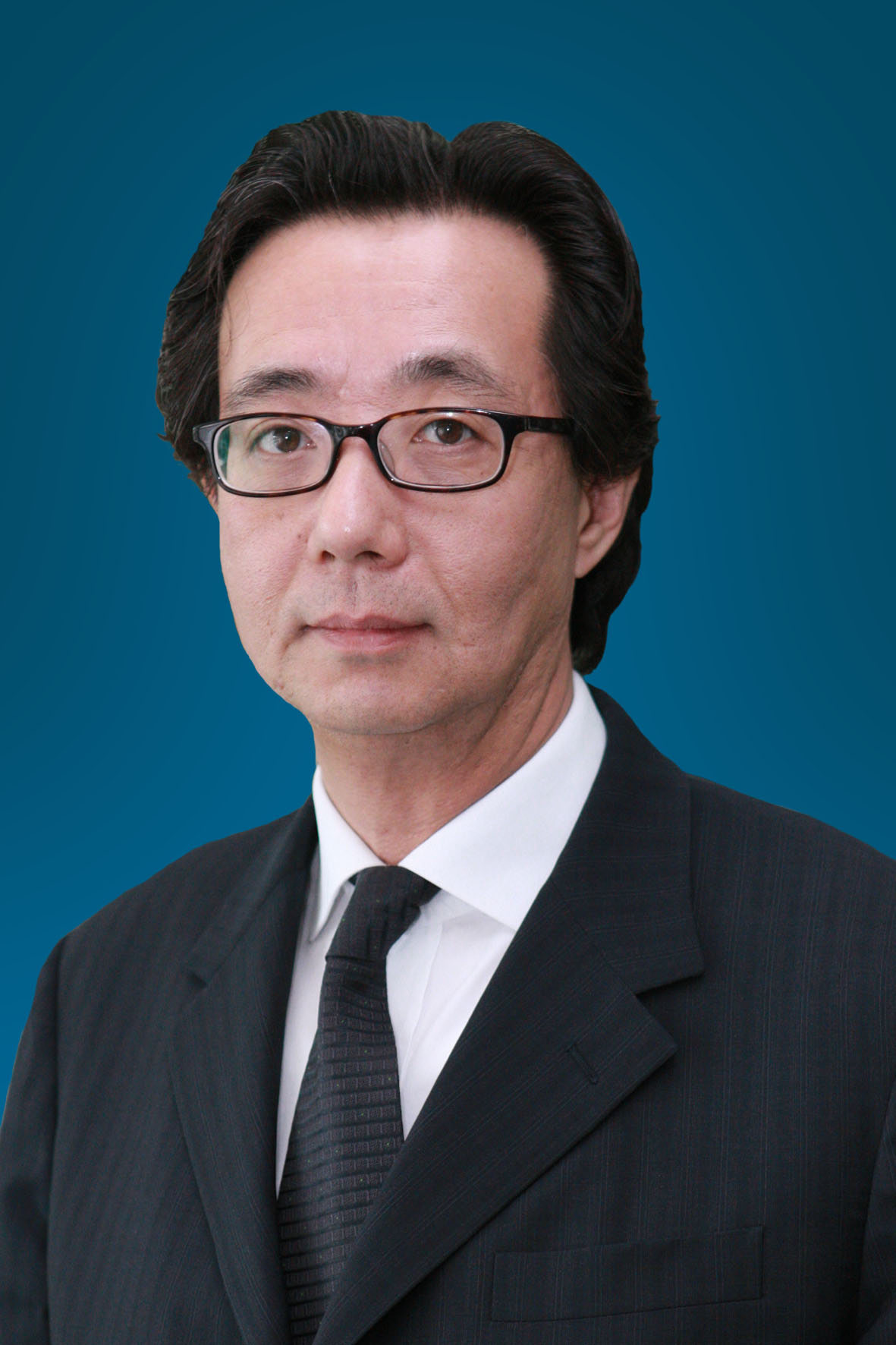
Pierre Goldschmidt

Former Nonresident Senior Associate, Nuclear Policy Program

Goldschmidt was a nonresident senior associate at the Carnegie Endowment.

    Recent Work

  • Article
    A Realistic Approach Toward a Middle East Free of WMD

      Pierre Goldschmidt

  • Article
    Serious Deficiencies Exposed by Latest IAEA Safeguards Implementation Report

      Pierre Goldschmidt

Pierre Goldschmidt
Former Nonresident Senior Associate, Nuclear Policy Program
Pierre Goldschmidt
Nuclear PolicyNuclear Energy

Carnegie does not take institutional positions on public policy issues; the views represented herein are those of the author(s) and do not necessarily reflect the views of Carnegie, its staff, or its trustees.
More Work from Carnegie Endowment for International Peace

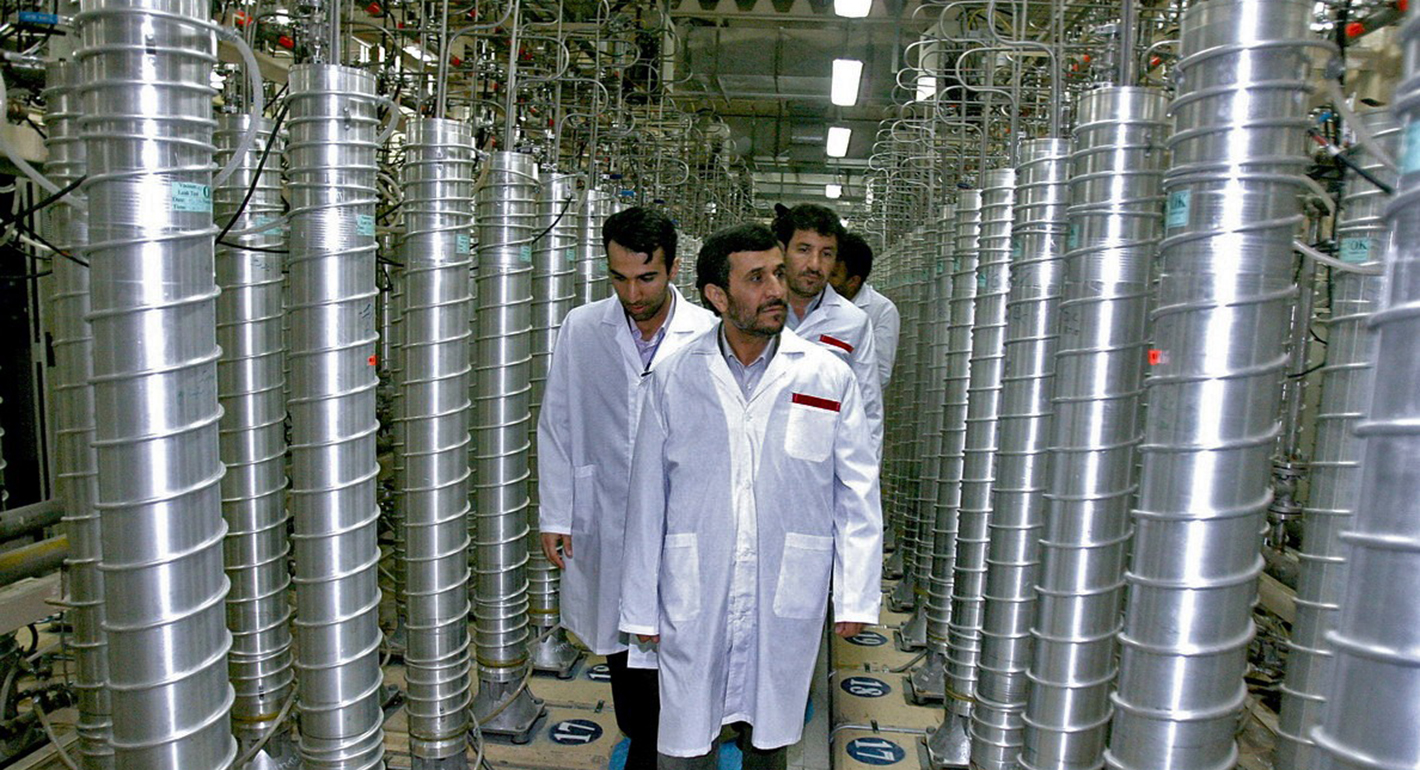
  • Iranian President Mahmoud Ahmadinejad (C) visits the Natanz uranium enrichment facilities April 8, 2008
    Paper
    Demystifying the Nuclear Threshold

    The nuclear weapons threshold is increasingly important for proliferation strategy and policy. Policymakers should better understand the implications of the threshold phenomenon in the current international security environment and plausible strategies to deal with the growing challenge that it presents.


      Ariel (Eli) Levite, Toby Dalton
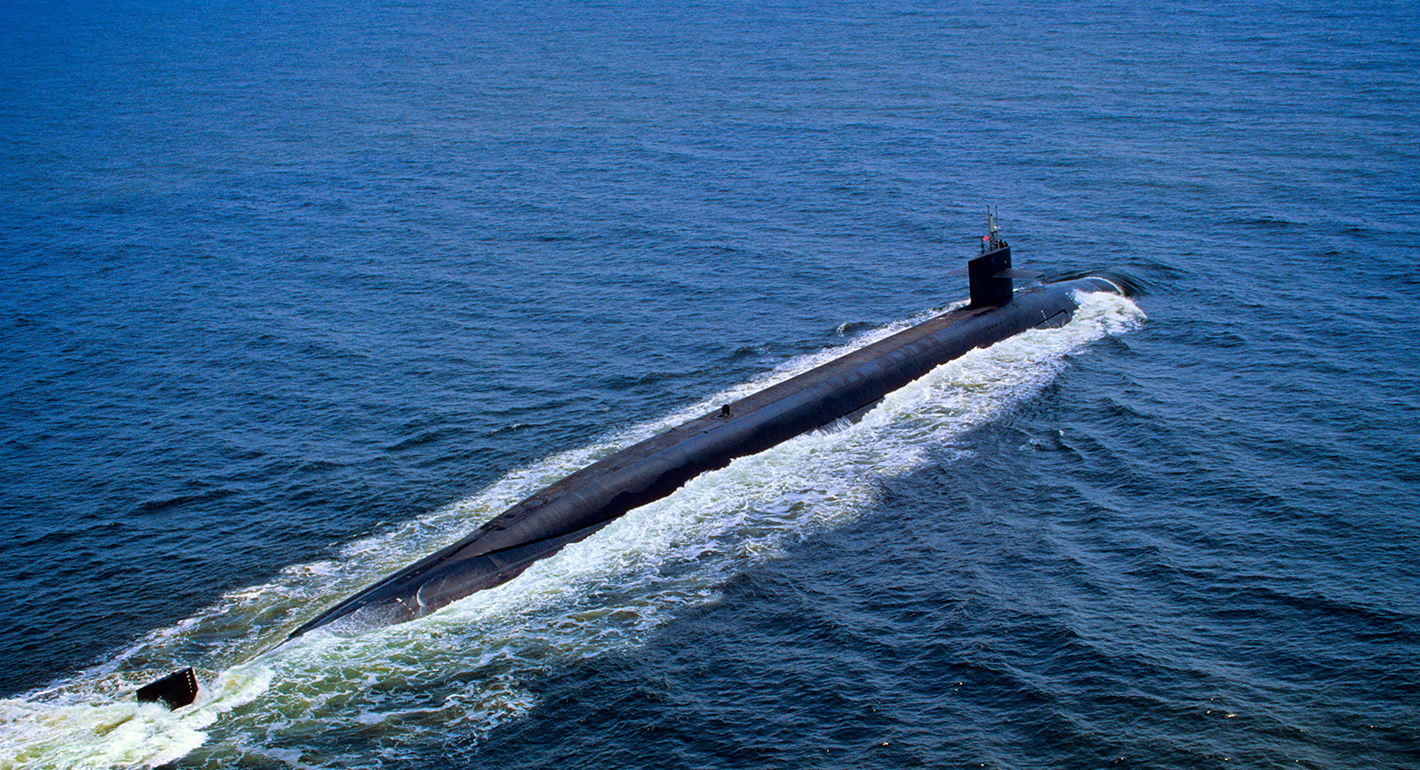
  • 1990s USS Pennsylvania United States Navy Nuclear Powered Ohio-Class Ballistic Missile Submarine Cruising On Ocean Surface
    Paper
    Nuclear Weapons and the Future of American Power

    It seems likely that, no matter what, the power of the U.S. nuclear arsenal will face erosion, not least in the credibility of its commitments to defend allies and the political durability of those alliances.


      James M. Acton, Ankit Panda
  • Commentary
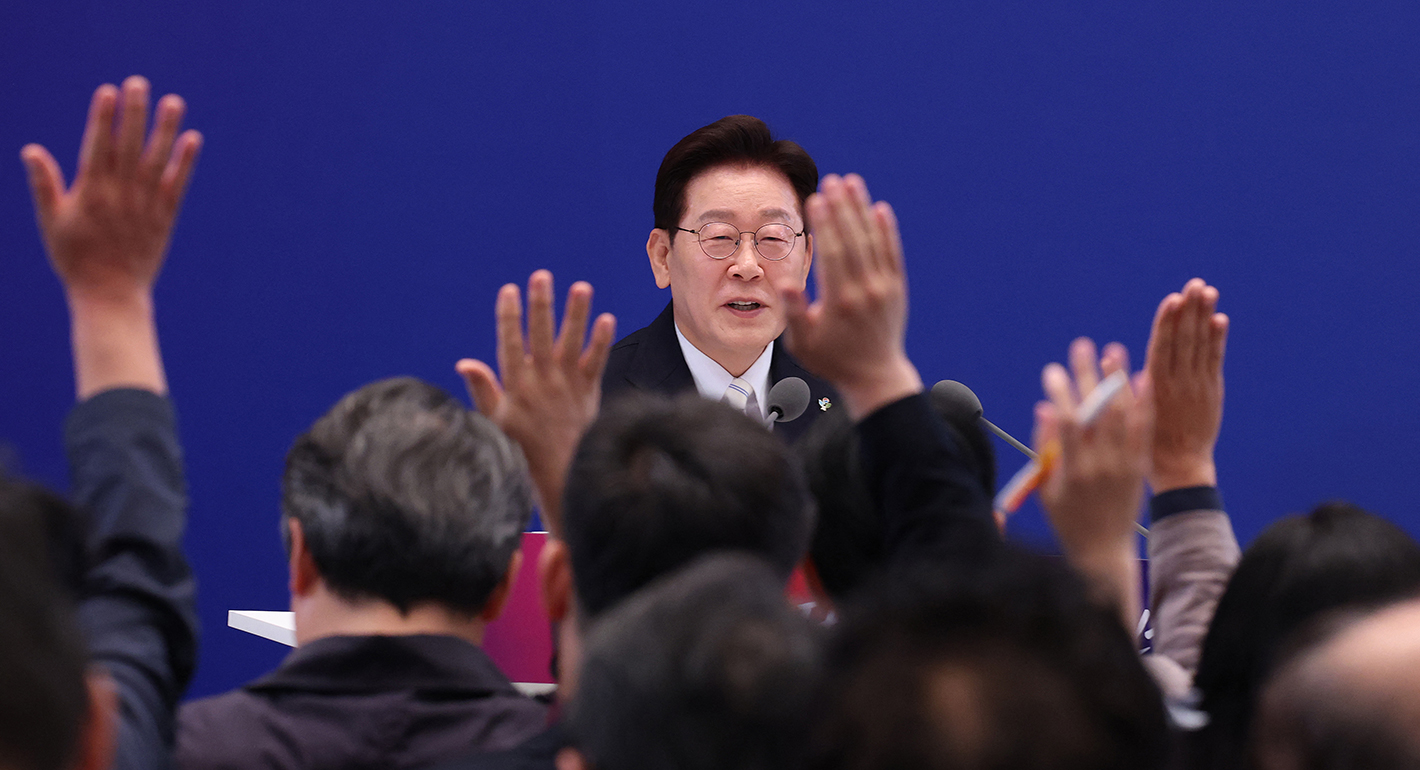
    President Lee Jae Myung: A Year in Power

    President Lee marked his first year in office after one of the most tumultuous periods in South Korean politics. Though Lee has enjoyed a high approval rating, a large majority in the National Assembly, and foreign policy victories, Lee and his party’s political fortunes depend on generating economic growth, learning the right lessons from the recent local elections, and managing contentious factional strife within his political base.
      Chung Min Lee

  • Three people standing outside a fancy building
    Commentary
    Emissary
    The Latest Iran Deal Ignores the Lessons of the Past

    By burying disagreements in imprecision, the new deal risks same fate as its predecessors.

      James M. Acton

  • Commentary
    Strategic Europe
    Taking the Pulse: Is European Diplomacy on Iran Outdated?

    When the U.S.-Iran memorandum of understanding was announced, the UK, France, Germany, and Italy declared their readiness to help demine the Strait of Hormuz and lift nuclear sanctions on Tehran. But does Europe need new tools to recover a diplomatic role?

      • Rym Momtaz

      Rym Momtaz, ed.

Get more news and analysis from
Carnegie Endowment for International Peace
Carnegie global logo, stacked
1779 Massachusetts Avenue NWWashington, DC, 20036-2103Phone: 202 483 7600
  • Research
  • Emissary
  • About
  • Experts
  • Donate
  • Programs
  • Events
  • Blogs
  • Podcasts
  • Contact
  • Annual Reports
  • Careers
  • Privacy
  • For Media
  • Government Resources
Get more news and analysis from
Carnegie Endowment for International Peace
© 2026 Carnegie Endowment for International Peace. All rights reserved.