

Paper
Douglas H. Paal
{
  "authors": [
    "Douglas H. Paal"
  ],
  "type": "legacyinthemedia",
  "centerAffiliationAll": "",
  "centers": [
    "Carnegie Endowment for International Peace"
  ],
  "collections": [],
  "englishNewsletterAll": "",
  "nonEnglishNewsletterAll": "",
  "primaryCenter": "Carnegie Endowment for International Peace",
  "programAffiliation": "",
  "programs": [],
  "projects": [],
  "regions": [
    "North America",
    "United States"
  ],
  "topics": [
    "Foreign Policy"
  ]
}
Source: Getty
Although the Obama administration’s new diplomatic approach of engagement has filled in obvious gaps in U.S. foreign policy, this coming year will test whether it can produce tangible results.
Source: PBS NewsHour

He withdrew troops from cities in Iraq and increased troops in Afghanistan. He tried to defibrillate the Mideast peace process.
Douglas Paal takes a look at the state of U.S. foreign policy a year into Mr. Obama's term:
Now that a year has passed, "we're starting to enter a kind of crunch period where we're going to find out whether a new diplomatic approach is enough to change the calculations of the actors in Moscow, Tehran, Pyongyang, Jerusalem, and in Palestine to a new approach to accommodate the attempts of the Obama administration to make change," said Paal. "That looks less likely to happen than likely, although we might get lucky somewhere -- for example, in Iran. And in Asia, I think we're going to find that some of this will prove to have been a period of reconsolidation of American influence in the region, which is a good thing but not an avenue to solution of a lot of big problems which will persist as they did under the Bush administration."
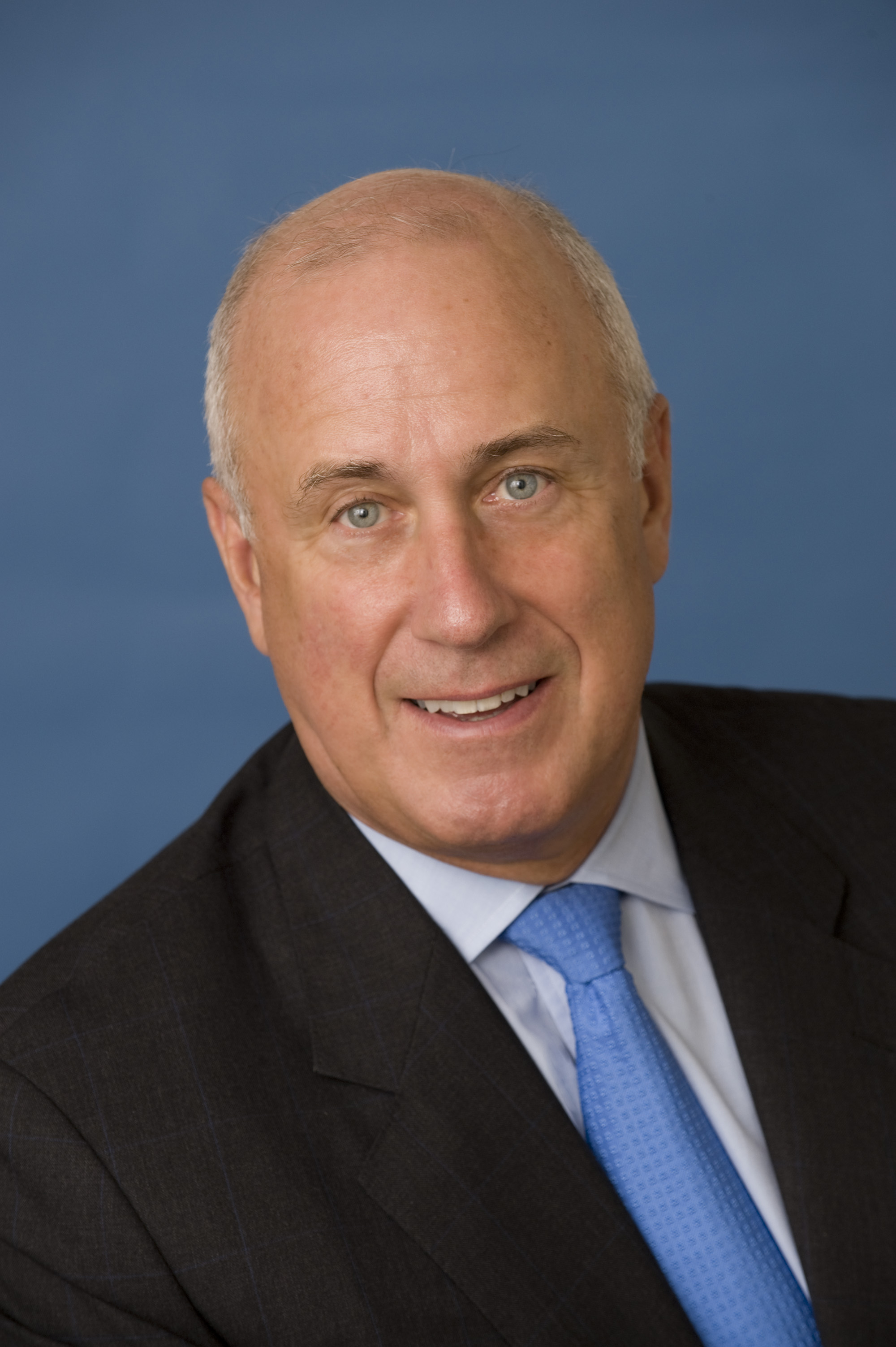
Distinguished Fellow, Asia Program
Paal previously served as vice chairman of JPMorgan Chase International and as unofficial U.S. representative to Taiwan as director of the American Institute in Taiwan.
Recent Work
Douglas H. Paal

Douglas H. Paal, Tong Zhao, Chen Qi, …
Carnegie does not take institutional positions on public policy issues; the views represented herein are those of the author(s) and do not necessarily reflect the views of Carnegie, its staff, or its trustees.

Despite public disputes over trade and immigration, the strategic partnership’s foundations remain sturdy.

Sameer Lalwani
It signals a new era of tech diffusion and warfare.

Steve Feldstein

With its public finances in shambles, the far right polling at 35 percent ahead of the 2027 presidential election, and a growing protest movement, is France’s crisis a threat to the EU’s geopolitical awakening?

Rym Momtaz, ed.

Ahead of a tough winter for Ukraine, Donald Trump’s swing back toward Russia bodes ill. But instead of panicking, Kyiv’s European allies are focusing on action.
Rym Momtaz

Without a ceasefire with Ukraine on attacking each other’s energy infrastructure—to which the Kremlin is unlikely to agree—the diesel agreement between Putin and Trump is largely for show, rather than representing a genuine increase in the volumes of Russian diesel on the global market.

Sergey Vakulenko