

Q&A
Christopher Boucek
{
  "authors": [
    "Christopher Boucek"
  ],
  "type": "legacyinthemedia",
  "centerAffiliationAll": "dc",
  "centers": [
    "Carnegie Endowment for International Peace"
  ],
  "collections": [],
  "englishNewsletterAll": "menaTransitions",
  "nonEnglishNewsletterAll": "",
  "primaryCenter": "Carnegie Endowment for International Peace",
  "programAffiliation": "MEP",
  "programs": [
    "Middle East"
  ],
  "projects": [],
  "regions": [
    "Middle East",
    "Yemen"
  ],
  "topics": [
    "Security",
    "Foreign Policy"
  ]
}
Source: Getty
While the rise of al-Qaeda in the Arabian Peninsula has focused international attention on Yemen, the country’s economic and demographic challenges pose a greater threat to its stability than al-Qaeda does.
Source: Al-Jazeera
After the January 2009 merger of the Yemeni and Saudi al-Qaeda affiliates of al-Qaeda into a single group called al-Qaeda in the Arabian Penisula (AQAP), the terrorist threat from Yemen has grown exponentially. There have been numerous attacks planned by AQAP, most notably the Christmas day bombing attempt on a U.S. aircraft and several operations in Saudi Arabia. While the United States is now investing in efforts to curtail AQAP’s activities, the real challenge is to help Yemen with the manifold economic and demographic problems it faces. According to Christopher Boucek, “It is not al-Qaeda that will doom Yemen. Rather its failing economy, rapidly depleting water and oil reserves, and massive population growth are the main challenges the country faces.”
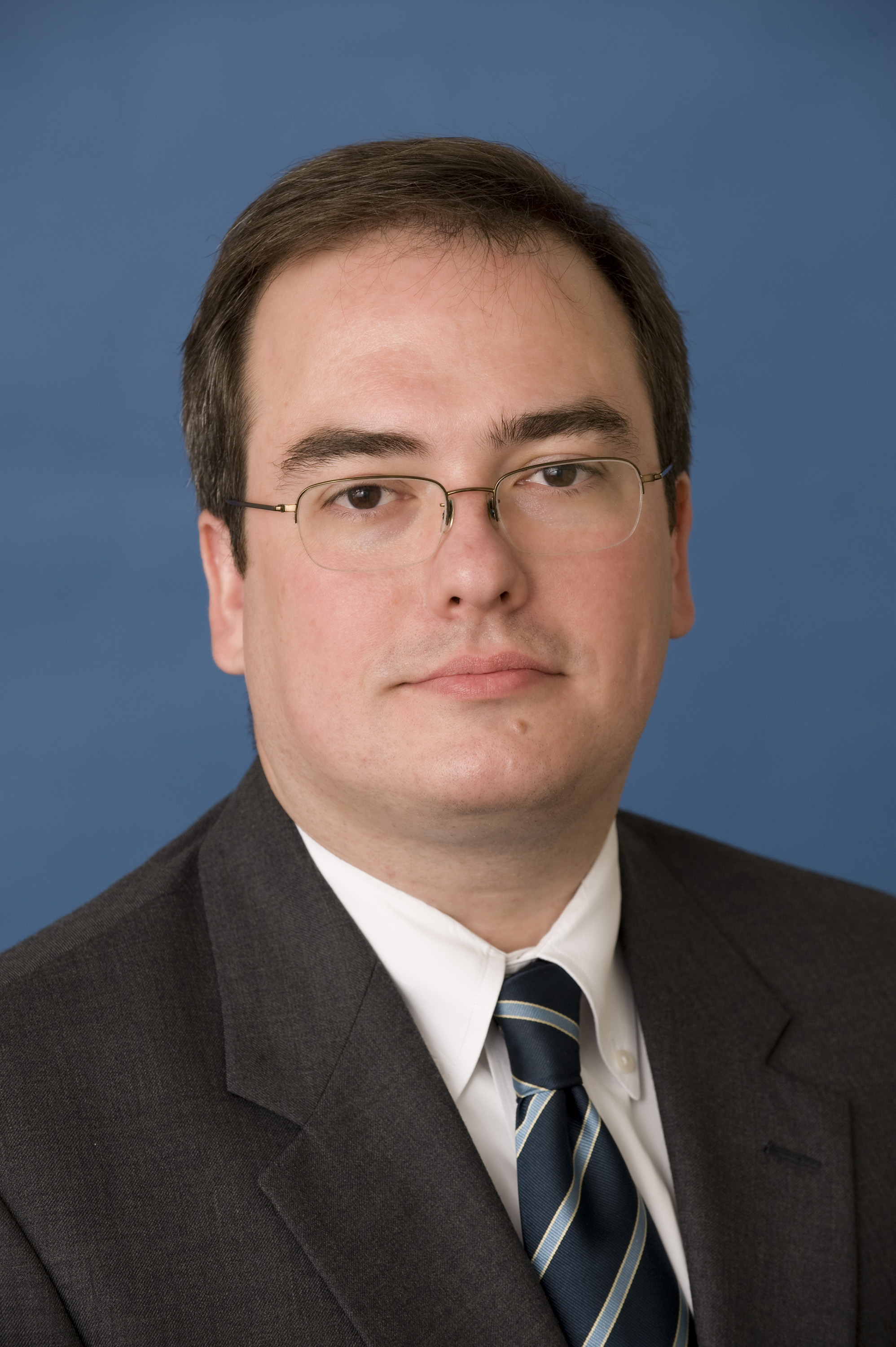
Former Associate, Middle East Program
Boucek was an associate in the Carnegie Middle East Program where his research focused on security challenges in the Arabian Peninsula and Northern Africa.
Recent Work
Christopher Boucek

Christopher Boucek, Karim Sadjadpour
Carnegie does not take institutional positions on public policy issues; the views represented herein are those of the author(s) and do not necessarily reflect the views of Carnegie, its staff, or its trustees.

Minsk clearly expected the dialogue with Washington to yield more results, in particular the lifting of EU sanctions and permission to export potash.

Artyom Shraibman

A summer of escalation in the Black Sea has hurt Ukraine economically and is exacerbating world food security. A truce is needed—as is a broader reframing of Europe’s Ukraine strategy.

Thomas de Waal

As the U.S. stumbles in its war with Iran, we are likely to see an acceleration of its disengagement from the region.

Michael Young
Why governance of rapidly evolving technology will be distributed and complex.


Stewart Patrick, Scott Singer

It should address the shortcomings of previous crisis communication efforts and adapt to the demands of frontier AI.

Lucy Luo