

Article
Pierre Goldschmidt
{
  "authors": [
    "Pierre Goldschmidt"
  ],
  "type": "legacyinthemedia",
  "centerAffiliationAll": "dc",
  "centers": [
    "Carnegie Endowment for International Peace"
  ],
  "collections": [],
  "englishNewsletterAll": "ctw",
  "nonEnglishNewsletterAll": "",
  "primaryCenter": "Carnegie Endowment for International Peace",
  "programAffiliation": "NPP",
  "programs": [
    "Nuclear Policy"
  ],
  "projects": [],
  "regions": [],
  "topics": [
    "Nuclear Energy"
  ]
}
Source: Getty
The weakest link in the nonproliferation regime today is the performance of the international community in responding to cases of non-compliance, and the burden falls largely on the IAEA Board of Governors and the UN Security Council.
Source: Arms Control Today

The main objective of the International Atomic Energy Agency (IAEA), as set out in its statute, is to promote "the contribution of atomic energy to peace, health, and prosperity throughout the world" while ensuring that nuclear material, equipment, facilities, and information are not used for any military purpose. The IAEA carries out the latter part of this mandate by establishing and implementing safeguards.
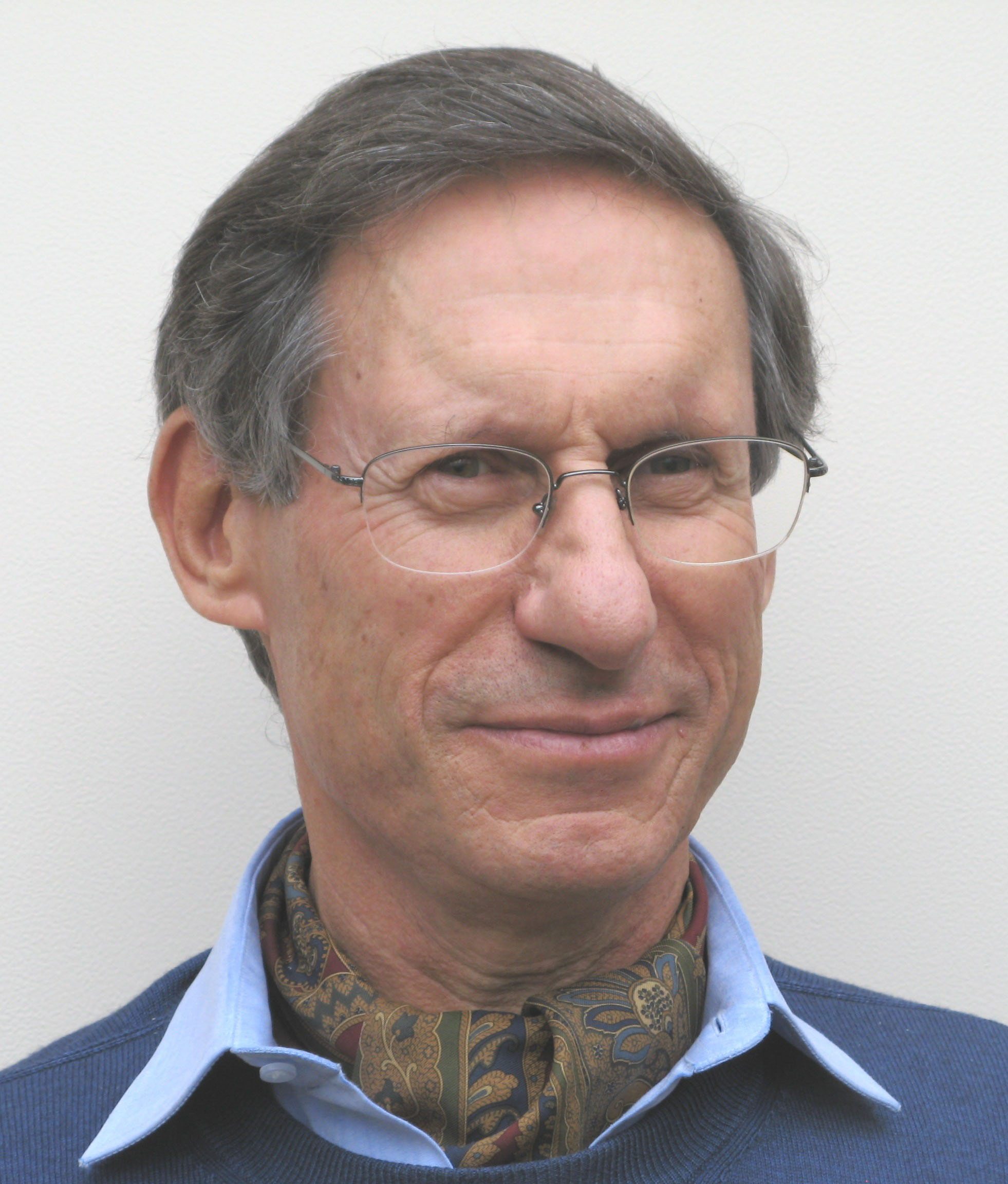
Former Nonresident Senior Associate, Nuclear Policy Program
Goldschmidt was a nonresident senior associate at the Carnegie Endowment.
Recent Work
Pierre Goldschmidt
Pierre Goldschmidt
Carnegie does not take institutional positions on public policy issues; the views represented herein are those of the author(s) and do not necessarily reflect the views of Carnegie, its staff, or its trustees.

China has showcased its engineering prowess with small modular reactor demonstration projects. But turning these technological achievements into commercial success will be a greater challenge.

Tong Zhao

Producing nuclear fuel quickly enough remains a major risk factor for the emerging advanced reactor industry.

Elmer W. Dyke

Nuclear and maritime communities face a long and challenging journey to deploy commercial nuclear applications at sea.


Jamie Kwong, Toby Dalton

The DFC should focus on advanced, low-carbon energy sources, prioritizing areas where the United States has comparative advantages.

Noah Gordon, Liana Schmitter-Emerson
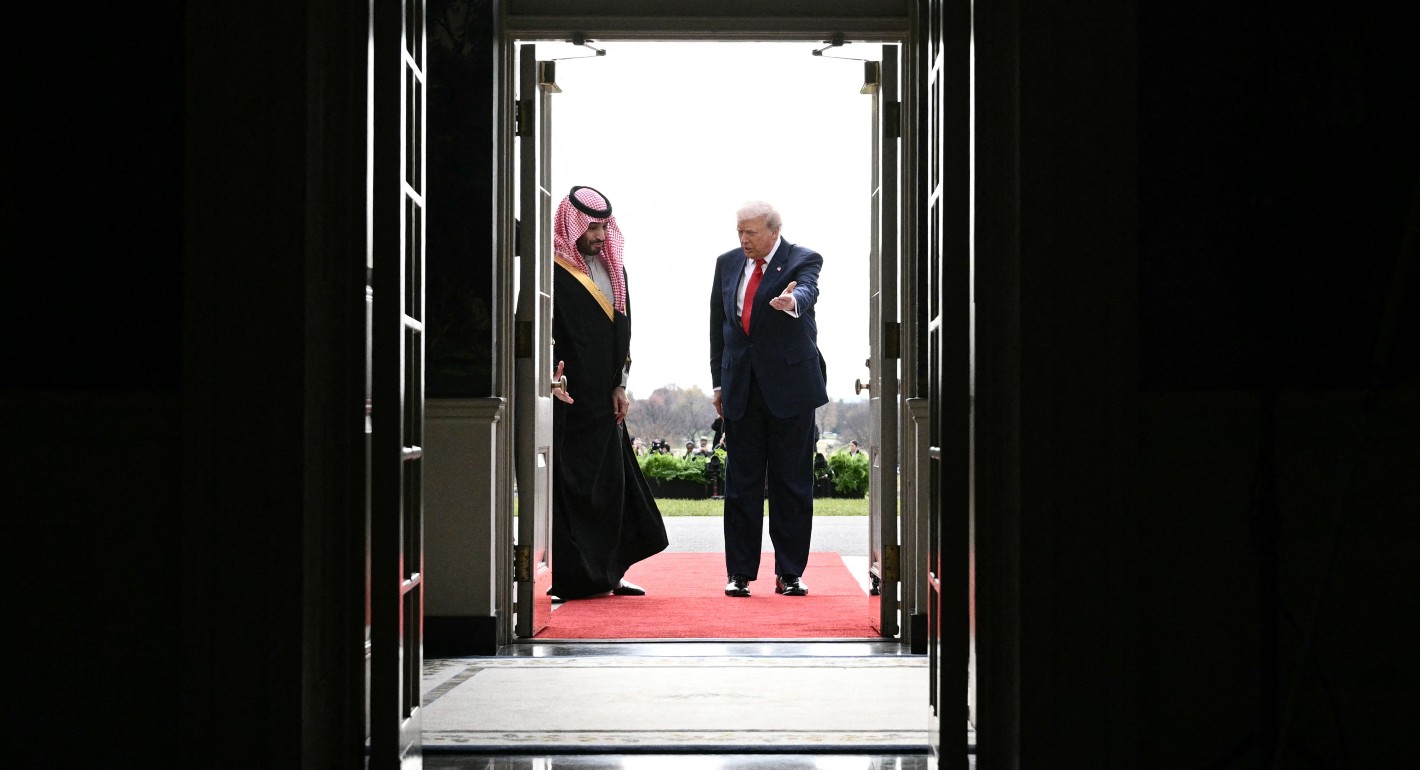
Despite the agreement’s uncertainty, it’s still a significant development in regional and nuclear policy.


Andrew Leber, Jane Darby Menton