

Commentary
Evan A. Feigenbaum
{
  "authors": [
    "Evan A. Feigenbaum"
  ],
  "type": "legacyinthemedia",
  "centerAffiliationAll": "dc",
  "centers": [
    "Carnegie Endowment for International Peace"
  ],
  "collections": [],
  "englishNewsletterAll": "asia",
  "nonEnglishNewsletterAll": "",
  "primaryCenter": "Carnegie Endowment for International Peace",
  "programAffiliation": "AP",
  "programs": [
    "Asia"
  ],
  "projects": [],
  "regions": [
    "North America",
    "United States",
    "South Asia",
    "India"
  ],
  "topics": [
    "Foreign Policy"
  ]
}
Source: Getty
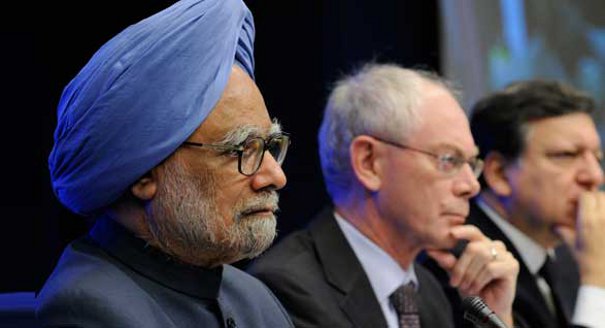
The future of the U.S.-Indian relationship will depend on whether India chooses to align with the United States, and on the policies Washington pursues in areas that bear heavily on Indian interests.
Source: Foreign Affairs

Today, however, India is dynamic and transforming. Starting in 1991, leaders in New Delhi -- including Manmohan Singh, then India's finance minister and now its prime minister -- pursued policies of economic liberalization that opened the country to foreign investment and yielded rapid growth. India is now an important economic power, on track (according to Goldman Sachs and others) to become a top-five global economy by 2030. It is a player in global economic decisions as part of both the G-20 and the G-8 + 5 (the G-8 plus the five leading emerging economies) and may ultimately attain a permanent seat on the United Nations Security Council. India's trajectory has diverged sharply from that of Pakistan.
With economic growth, India acquired the capacity to act on issues of primary strategic and economic concern to the United States. The United States, in turn, has developed a growing stake in continued Indian reform and success -- especially as they contribute to global growth, promote market-based economic policies, help secure the global commons, and maintain a mutually favorable balance of power in Asia. For its part, New Delhi seeks a United States that will help facilitate India's rise as a major power.

Vice President for Studies
Evan A. Feigenbaum is vice president for studies at the Carnegie Endowment for International Peace, where he oversees work at its offices in Washington, New Delhi, and Singapore on a dynamic region encompassing both East Asia and South Asia. He served twice as Deputy Assistant Secretary of State and advised two Secretaries of State and a former Treasury Secretary on Asia.
Recent Work
Evan A. Feigenbaum
Evan A. Feigenbaum
Carnegie does not take institutional positions on public policy issues; the views represented herein are those of the author(s) and do not necessarily reflect the views of Carnegie, its staff, or its trustees.

Trump has promised Belarus a massive potash deal. But Minsk is seeking something greater: restored Western transit and greater room for maneuver from Russia.

Balázs Jarábik
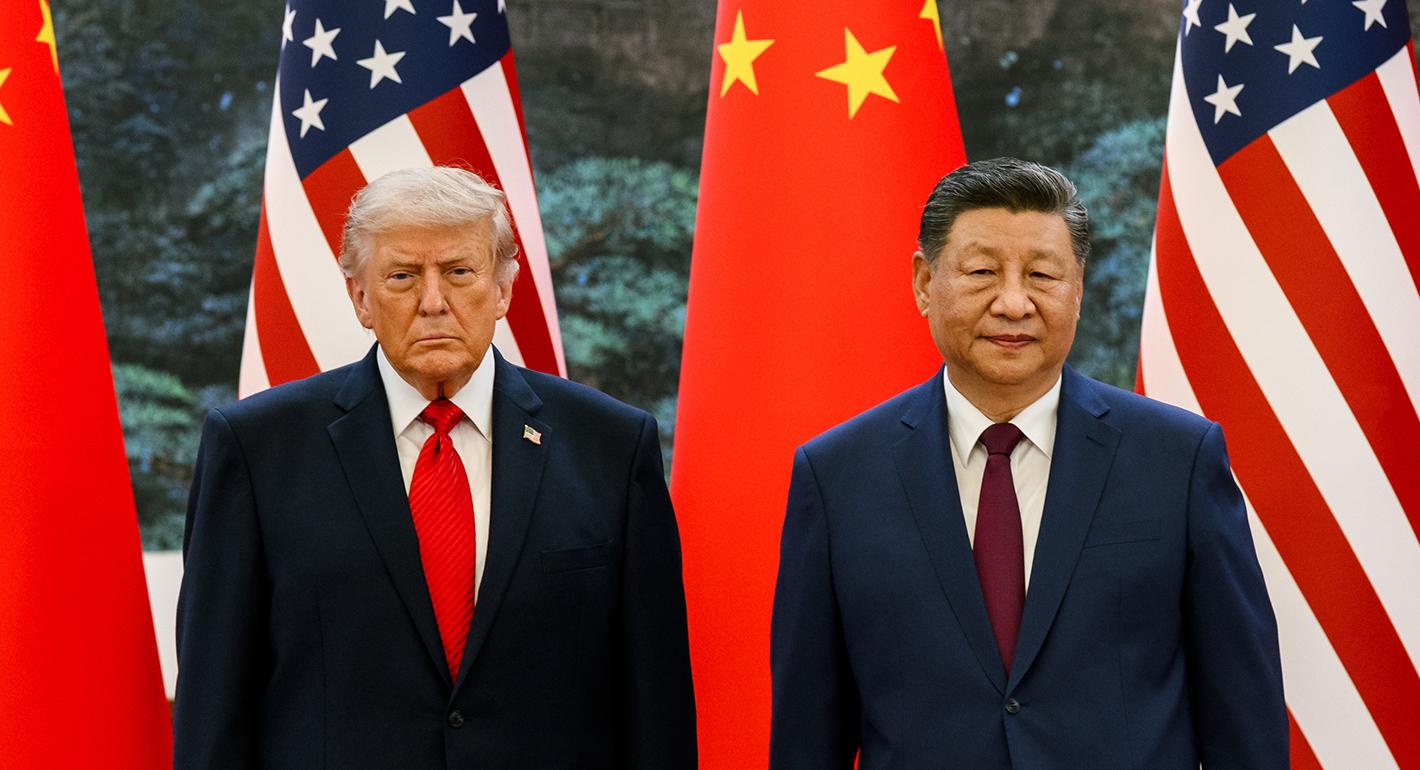
The real test may come after the leaders leave the room.



Sheena Chestnut Greitens, Oriana Skylar Mastro, Yukon Huang, …

The Horn of Africa countries are among those facing a new security calculus.


Andrew Leber, Lesley Anne Warner

The new U.S.–Denmark–Greenland agreement will help Washington exert political, economic, and financial dominance under the guise of security. Yet, it acknowledged Copenhagen’s and Nuuk’s sovereignty on the island.

Marc Pierini

The nuclear relationship between China and the United States is increasingly shaped by widening perception gaps rather than deliberate strategic design.

Tong Zhao