

In The Media
Michele Dunne, Robert Kagan
{
  "authors": [
    "Robert Kagan"
  ],
  "type": "legacyinthemedia",
  "centerAffiliationAll": "",
  "centers": [
    "Carnegie Endowment for International Peace",
    "Carnegie Europe"
  ],
  "collections": [],
  "englishNewsletterAll": "",
  "nonEnglishNewsletterAll": "",
  "primaryCenter": "Carnegie Endowment for International Peace",
  "programAffiliation": "",
  "programs": [],
  "projects": [],
  "regions": [
    "North America",
    "United States"
  ],
  "topics": [
    "Security",
    "Military",
    "Foreign Policy"
  ]
}
Source: Getty
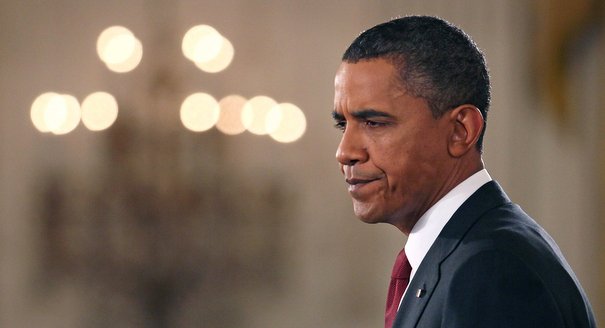
In spite of the general perception that partisanship is dividing the U.S. government, a broad bipartisan consensus is emerging on issues of foreign policy, particularly towards Afghansitan, Iraq, and Iran.
Source: The Washington Post

Perfect bipartisanship on foreign and defense policy is a lot to ask in an election year, and Republicans have a right, even an obligation, to be critical of policies they regard as dangerous. But there is more agreement today than usual. Never mind the divisive decades of the Bush and Clinton administrations. Democrats who look back fondly to the days of George H.W. Bush forget that they voted overwhelmingly against the Persian Gulf War and attacked that administration for paying too much attention to foreign policy. Today, by contrast, the administration and opposition largely agree on some of the most pressing issues. By historical standards, foreign policy is one area where the government is working.
How to explain the surprising comity? Partly it is because the Democrats have changed in power. Being in opposition for many years tends to breed irresponsibility, as both parties have shown over the past two decades. Obama's team took office assuming that it should do the opposite of whatever Bush did or said, and the policy of "un-Bush" dominated the first months, just as "un-Clinton" shaped the early Bush years. But "un-" policies are no substitute for serious thinking. On most issues the Obama administration is now pursuing approaches closer to those of both Clinton and Bush than those favored by the virulently anti-Bush partisans. This is not surprising, since neither American interests nor the interests of other nations change with the American electoral cycle.
There are larger forces at work, too, above all Sept. 11's lingering effects on the American psyche. Obama officials at first celebrated their abandonment of the "war on terror," seeing it as a Bush-era mistake and, rhetorically at least, placed more emphasis on righting legal wrongs done to captured terrorism suspects than on stopping terrorist attacks. The irony is that Obama has been fighting the war on terror at least as vigorously as his predecessor. He escalated the war in Afghanistan and greatly increased drone attacks on suspected terrorists in Pakistan.
The fact is, no president can allow himself to be perceived as trading any degree of American security to better protect the rights of suspected terrorists. Woodrow Wilson and Franklin D. Roosevelt countenanced far more egregious violations of individual rights when security interests were perceived to be at stake. It was predictable that whatever Candidate Obama promised, President Obama would be compelled to take a tough line on terrorism. So Guantanamo remains open and may stay open for the remainder of Obama's presidency. Khalid Sheik Mohammed will probably not be tried in New York. After the Christmas Day bomber was taken into custody, more people have been put on watch lists. The USA Patriot Act has been renewed. Obama has probably learned not to provide Republicans new opportunities to exploit his weakness in these areas.
For Republicans, meanwhile, the ongoing effect of Sept. 11 has been to check isolationist tendencies that have periodically flared in the party since the 1920s. Most Republicans today don't believe there is safety to be found in a Fortress America and reject even more modest calls for a retrenchment of U.S. involvement overseas.
As a result, we may be seeing the reestablishment of the informal and unspoken alliance between liberal interventionist Democrats and hawkish internationalist Republicans that provided working majorities throughout much of the Cold War and again during the Clinton years. In the 1990s, Joseph Biden was a card-carrying member of this coalition, which supported Clinton's policies in the Balkans, NATO expansion and the strategy of "democratic enlargement." The coalition exploded over its support for the Iraq war, but Biden's willingness to take ownership of Iraq today may be a signal that the pendulum is swinging back again.
Obama has a chance to place himself at the head of this broad spectrum of opinion, and he would serve both himself and the country well by doing so. Today's consensus can be expanded beyond fighting terrorism and confronting Iran. There is strong bipartisan support for a firmer stand toward China, for closer ties to India, a more balanced approach to Russia, and a firmer commitment to democratic allies in Eastern and Central Europe. Nothing would do more to cement bipartisan support for Obama's foreign policies than a return to the old American tradition of making the world safer for democracy.
At a time when America's ability to lead is questioned at home and abroad, bipartisan unity on these major issues can strengthen America in its dealing with friends and with adversaries. Despite what our declinists believe, and thanks in part to the election of Obama, more and more people around the world are looking to the United States to play that leadership role again.
A longer version of this essay appears in Foreign Policy magazine.

Former Senior Associate
Kagan, author of the recent book, The Return of History and the End of Dreams (Knopf 2008), writes a monthly column on world affairs for the Washington Post and is a contributing editor at both the Weekly Standard and the New Republic.
Recent Work

Michele Dunne, Robert Kagan
Robert Kagan, Michele Dunne
Carnegie does not take institutional positions on public policy issues; the views represented herein are those of the author(s) and do not necessarily reflect the views of Carnegie, its staff, or its trustees.
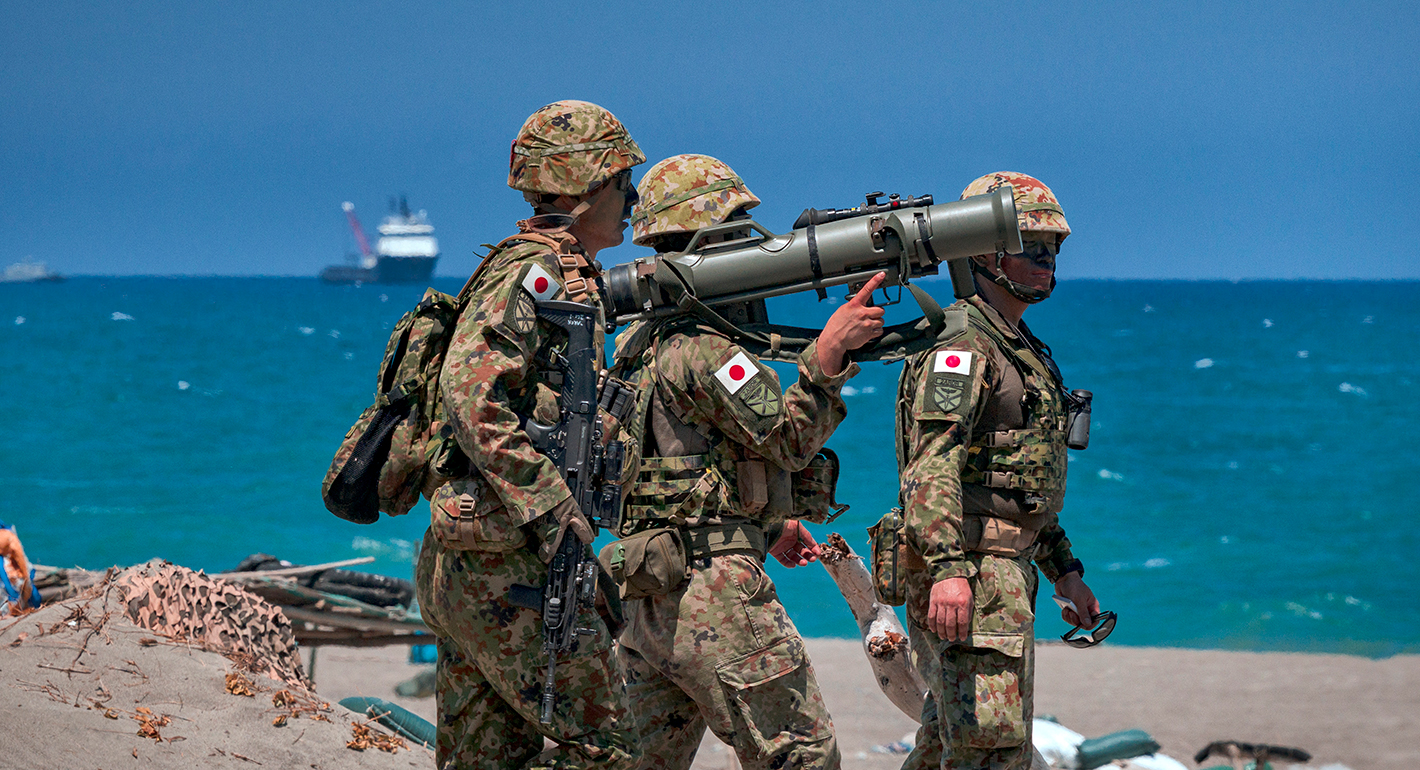
Japan’s revision of its three strategic documents reflects an intention to keep the United States engaged in the region while Japan fills any vacuums of U.S. power to preserve the Indo-Pacific order.

Ryo Sahashi

Over the past decade, China has moved from marginal player to major producer of all things batteries. The United States, Europe, and others are aiming to balance the market.

Milo McBride

The DFC should focus on advanced, low-carbon energy sources, prioritizing areas where the United States has comparative advantages.

Noah Gordon, Liana Schmitter-Emerson
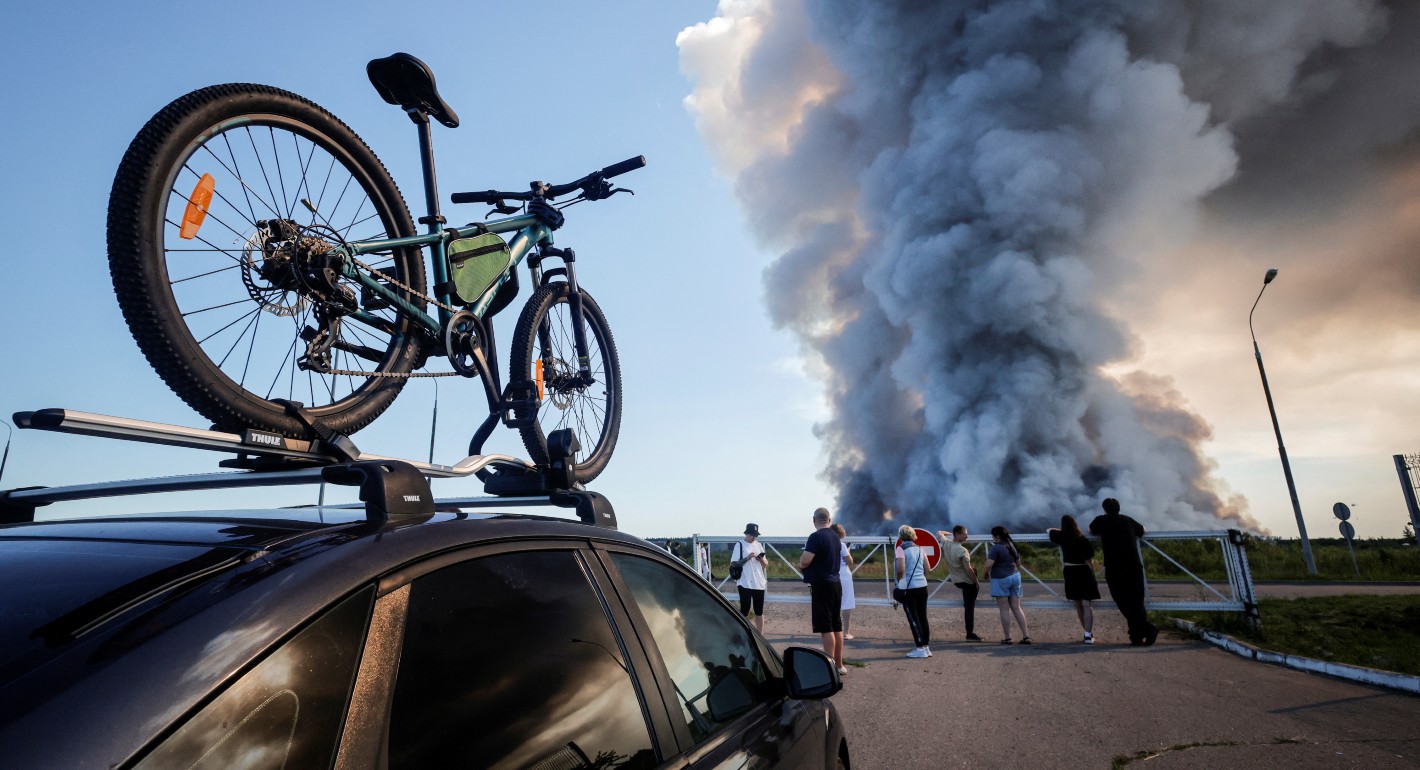
Media coverage suggests Kyiv’s fortunes have changed. That shift may be important, but it only goes so far.



Dara Massicot, Aaron David Miller, Andrew S. Weiss
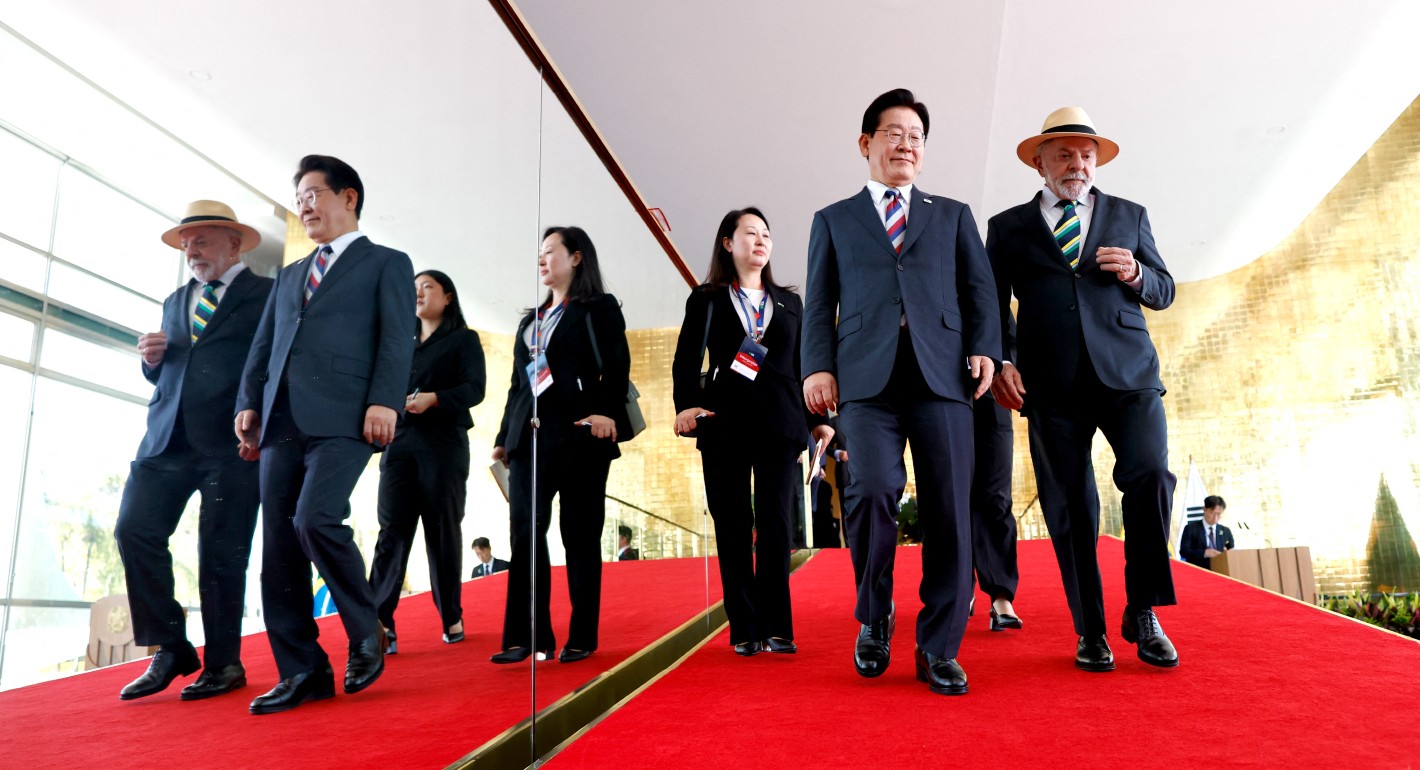
Lee’s tour shows how Seoul is reorganizing its diplomacy away from Pyongyang and toward industrial networks and the geography of the compute economy.

Darcie Draudt-Véjares