

Commentary
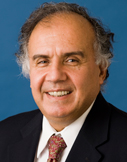
Uri Dadush
{
  "authors": [
    "Uri Dadush"
  ],
  "type": "legacyinthemedia",
  "centerAffiliationAll": "",
  "centers": [
    "Carnegie Endowment for International Peace"
  ],
  "collections": [],
  "englishNewsletterAll": "",
  "nonEnglishNewsletterAll": "",
  "primaryCenter": "Carnegie Endowment for International Peace",
  "programAffiliation": "",
  "programs": [],
  "projects": [],
  "regions": [
    "Western Europe",
    "United Kingdom",
    "France",
    "Germany",
    "North America"
  ],
  "topics": [
    "Economy"
  ]
}
Source: Getty
Recent cuts to the credit ratings of Spain and Portugal indicate that the crisis in Greece is spreading across Europe. Given the financial market pressure on Greece, debt restructuring appears inevitable, but it remains to be seen when it will occur.
Source: The Diane Rehm Show

Given the financial market pressure on Greece, “inevitably, some kind of restructuring of the debt has to happen” but it remains to be seen when this occurs. It can happen now, under tremendous market pressure and when banks will be extremely fragile, or, if the EU and IMF provide sufficient support, it can happen in the coming years once the world economy has recovered.

Former Senior Associate, International Economics Program
Dadush was a senior associate at the Carnegie Endowment for International Peace. He focuses on trends in the global economy and is currently tracking developments in the eurozone crisis.
Recent Work
Uri Dadush
Uri Dadush
Carnegie does not take institutional positions on public policy issues; the views represented herein are those of the author(s) and do not necessarily reflect the views of Carnegie, its staff, or its trustees.
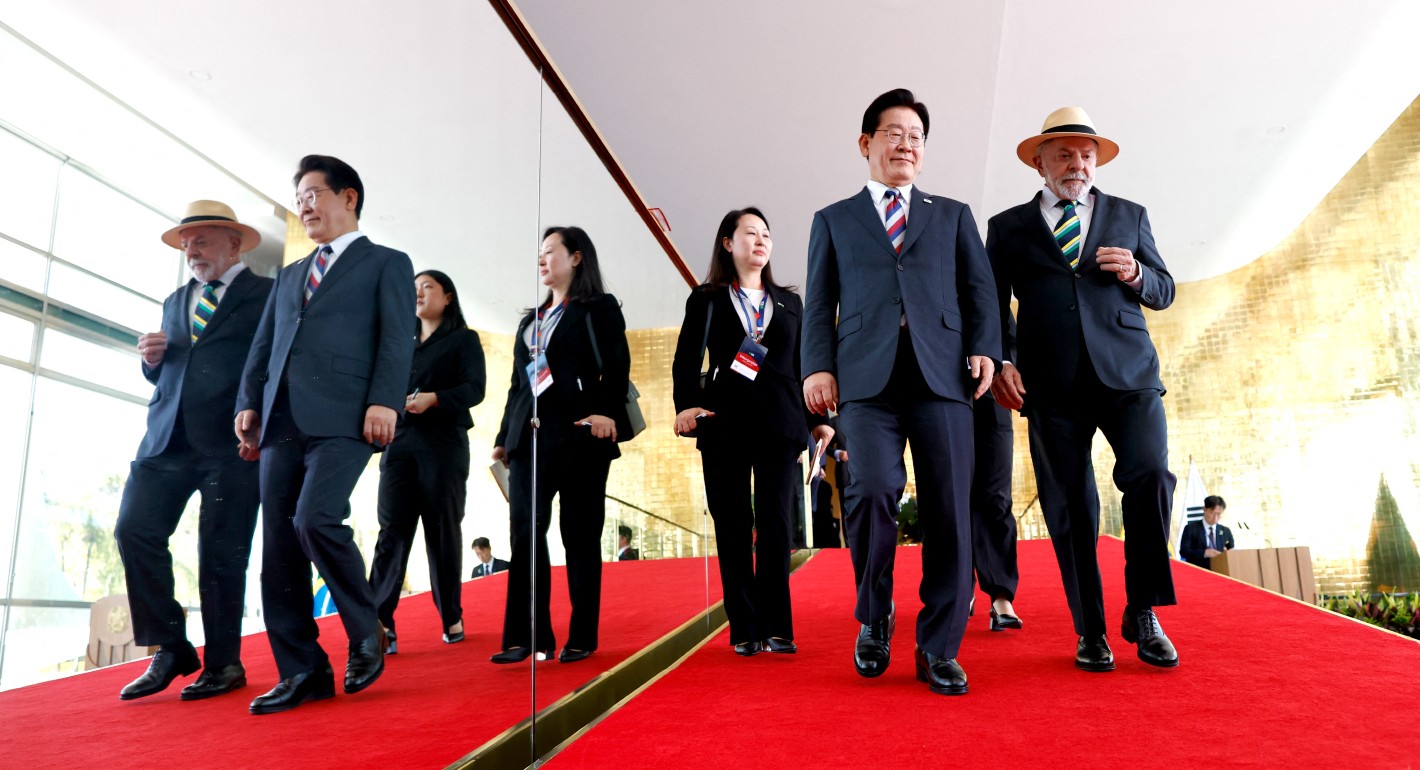
Lee’s tour shows how Seoul is reorganizing its diplomacy away from Pyongyang and toward industrial networks and the geography of the compute economy.

Darcie Draudt-Véjares

Most migrants may have left Ceuta, but the effects may linger.


Alejandro Martin Rodriguez, Sarah Yerkes
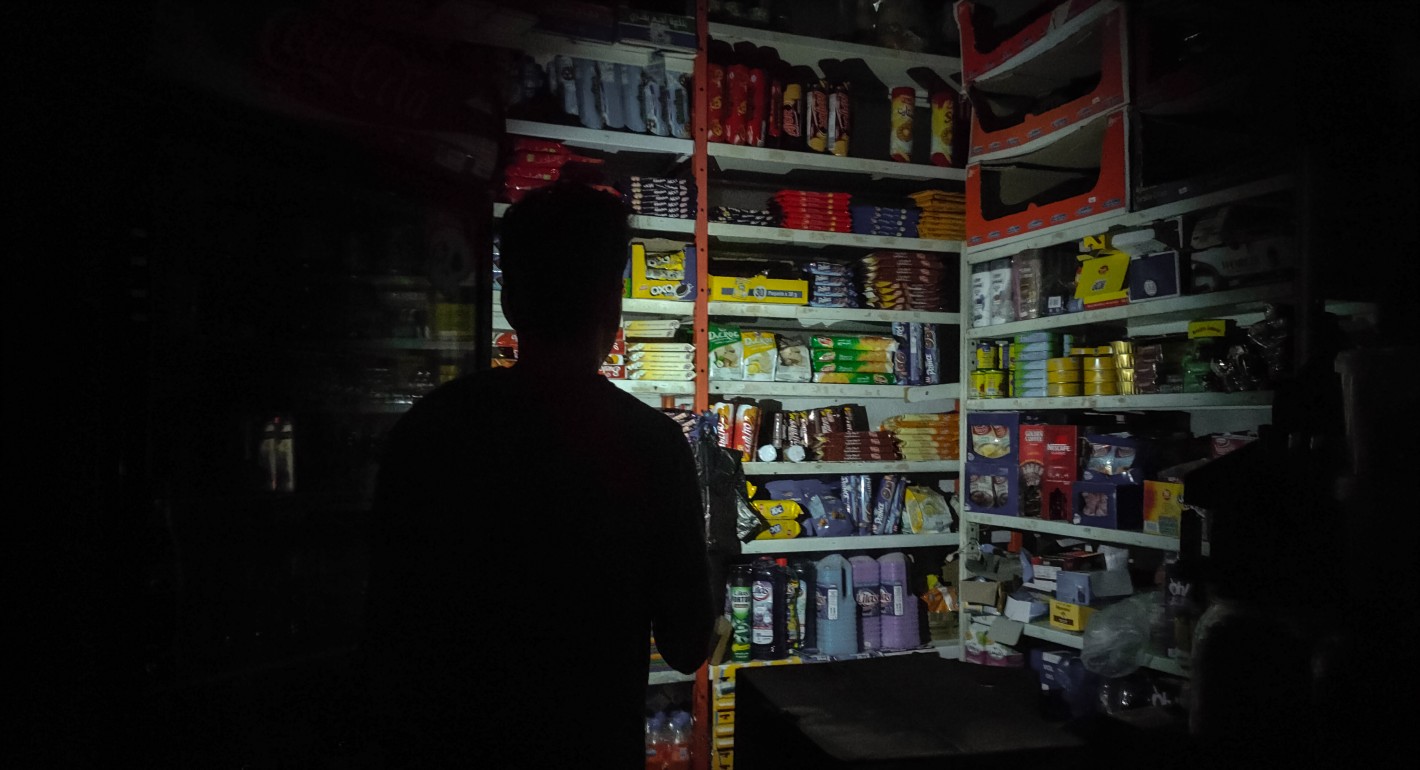
Saied’s main accomplishment has been to destroy a decade’s worth of democratic progress.
Sarah Yerkes
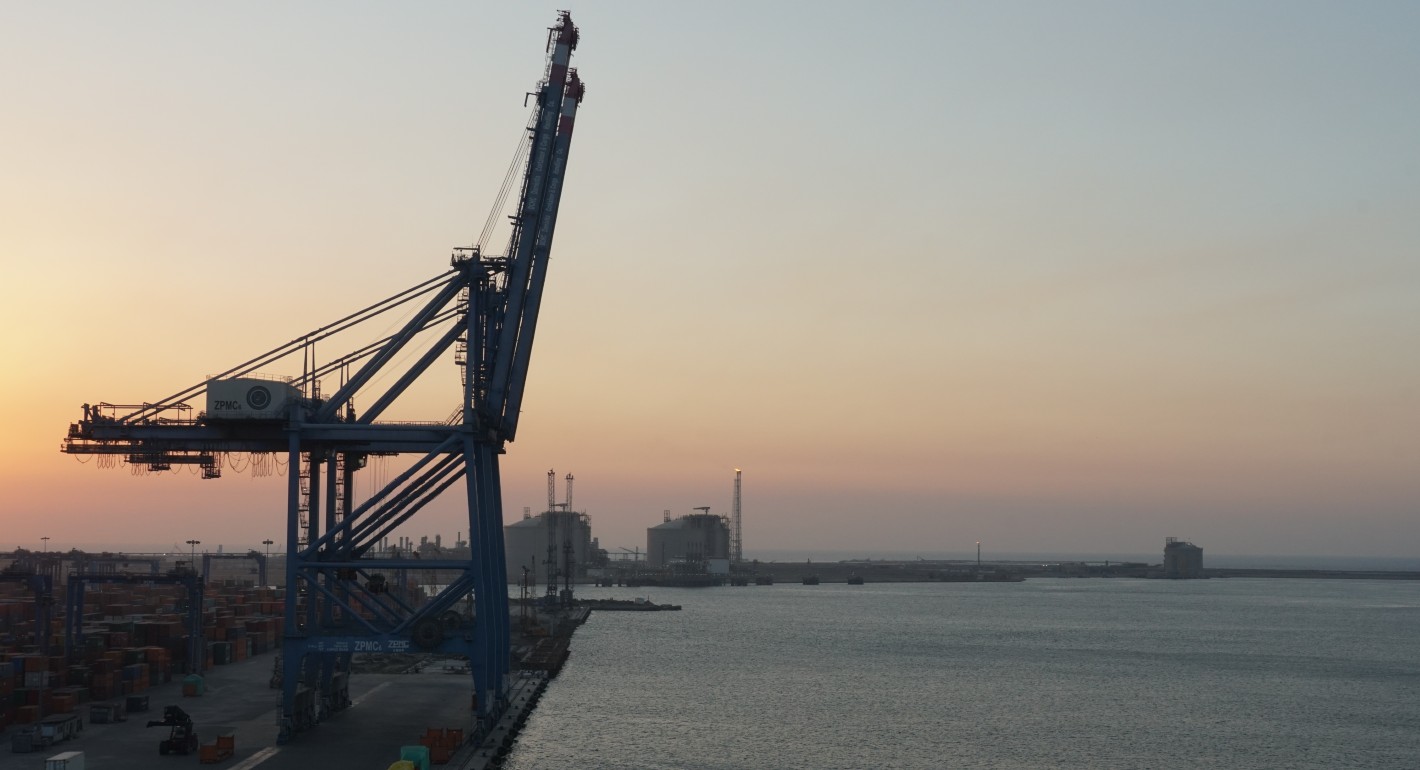
The targeting of Damietta Port appears to be more than a mere security message.

Amr Hamzawy
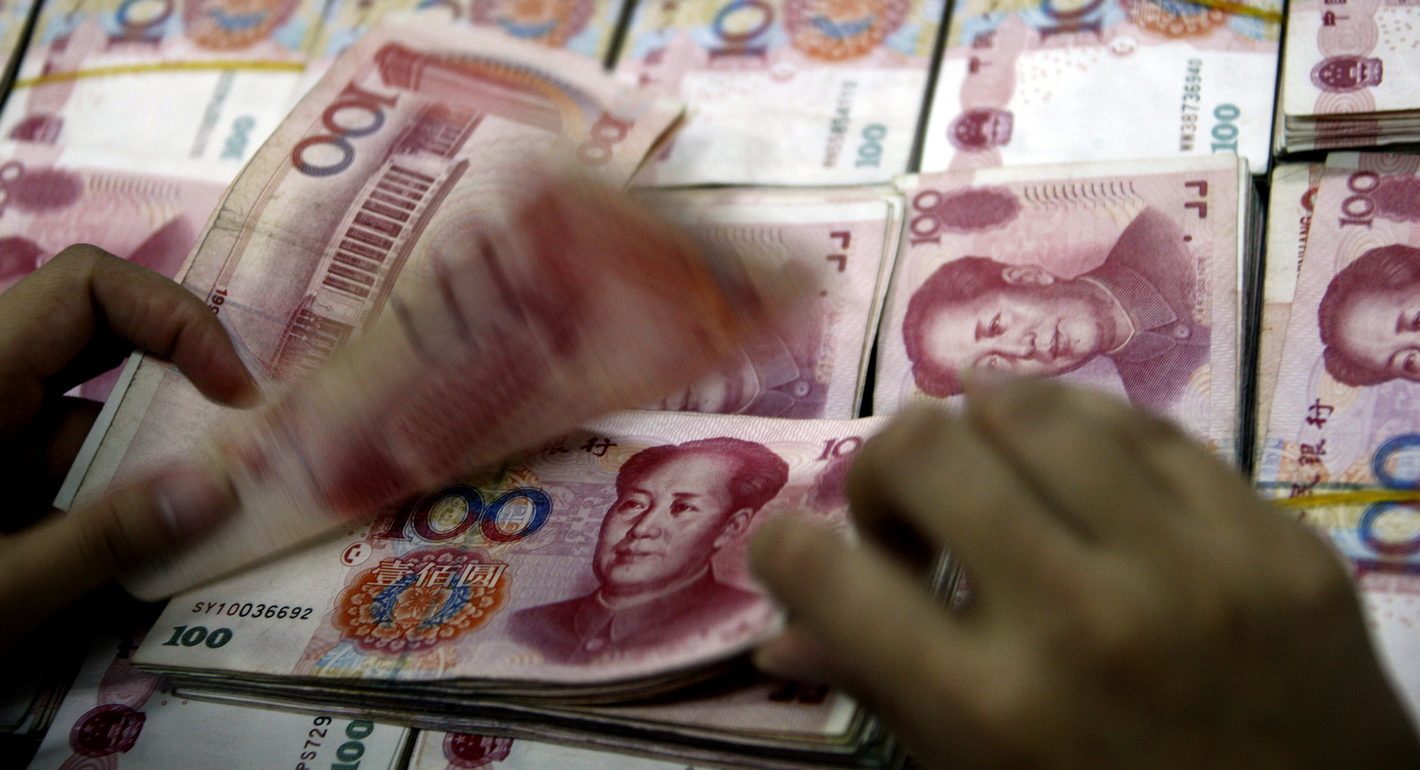
Is the Gulf moving beyond the dollar? This article examines how China is expanding the renminbi's role across Gulf markets, what that means for regional finance, and why the future of global currencies is more complex than the de-dollarization debate suggests.
Andrew Bonney