

Commentary
Nikolay Petrov
{
  "authors": [
    "Nikolay Petrov"
  ],
  "type": "legacyinthemedia",
  "centerAffiliationAll": "",
  "centers": [
    "Carnegie Endowment for International Peace",
    "Carnegie Russia Eurasia Center"
  ],
  "collections": [],
  "englishNewsletterAll": "",
  "nonEnglishNewsletterAll": "",
  "primaryCenter": "Carnegie Russia Eurasia Center",
  "programAffiliation": "",
  "programs": [],
  "projects": [],
  "regions": [],
  "topics": []
}
Source: Getty
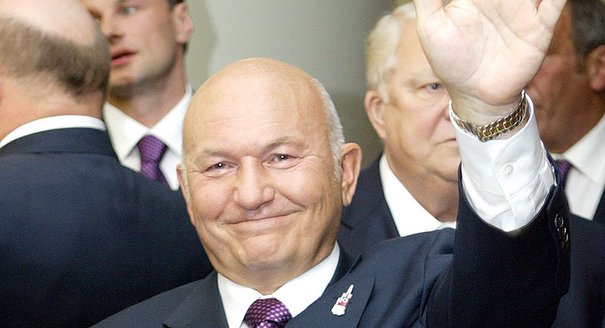
This year, President Medvedev has broken with tradition and begun selecting some lesser-known candidates for gubernatorial posts, to the detriment of several political heavyweights.
Source: The Moscow Times

The accepted wisdom is that appointed officials are most loyal to the person who has put them in office. But every governor has multiple loyalties.
So far this year, new governors have been appointed to almost one-fourth of all Russian regions. Of the 20 governors appointed, practically none are “outsiders” in the fullest sense of the word. As a rule, they are members of the local political establishment: deputy governors and mayors.
As the most difficult phase of the economic crisis has ended, so has the practice of appointing “carpet bagger” governors — politicians who were brought into a region without having any prior ties there. Such appointments accounted for two-thirds of all gubernatorial placements made during the height of the crisis. Once the crisis passed into a less critical phase, the Kremlin was free to appoint governors who were more experienced or skillful, and not only loyal. Is there some obvious logic behind changing governors? On the surface, it would seem not. The length of time served has little bearing, and none of the strong regional bosses except, perhaps, Kemerovo Governor Aman Tuleyev, has been reappointed. (Tuleyev’s meritorious actions following the mining accident in Mezhdurechensk in May testify to the wisdom of his reappointment.) But none of the governors appointed during Vladimir Putin’s presidency have been replaced, except for those who clearly fell short of the mark.
This year’s round of appointments has seen the dismissal of the remaining gubernatorial heavyweights. After Sverdlovsk Governor Eduard Rossel left late last year, he was followed by Tatarstan President Mintimer Shaimiyev, Khanty-Mansiisk Governor Alexander Filippenko and Rostov Governor Vladimir Chub. Of those, only Shaimiyev managed to leave a successor behind.
Next in line for possible retirement are the two remaining heavyweights — Moscow Mayor Yury Luzhkov and Bashkortostan President Murtaza Rakhimov. Kalmykia President Kirsan Ilyumzhinov’s term in office expires at the same time this fall, and for that reason he can be grouped with the other two leaders. The fight over all three posts has broken out in earnest, and judging from the intensity of the struggle, as well as by the political calendar, those battles are now in their final phase. Regarding Rakhimov, at stake are probably only his terms of surrender. Now that Bashkortostan’s legislature has said appointing a leader from outside the region would be a humiliating move, precisely that option is likely to be implemented. As for Luzhkov, who is now actively demonstrating his importance and usefulness for all to see, the identity of the new mayor is not especially important because the power and pull traditionally associated with his post has already been substantially reduced. For Ilyumzhinov, who appears likely to lose his duties as chairman of the World Chess Federation, it is probably of only symbolic significance that he will retain his post as Kalmykia’s president.
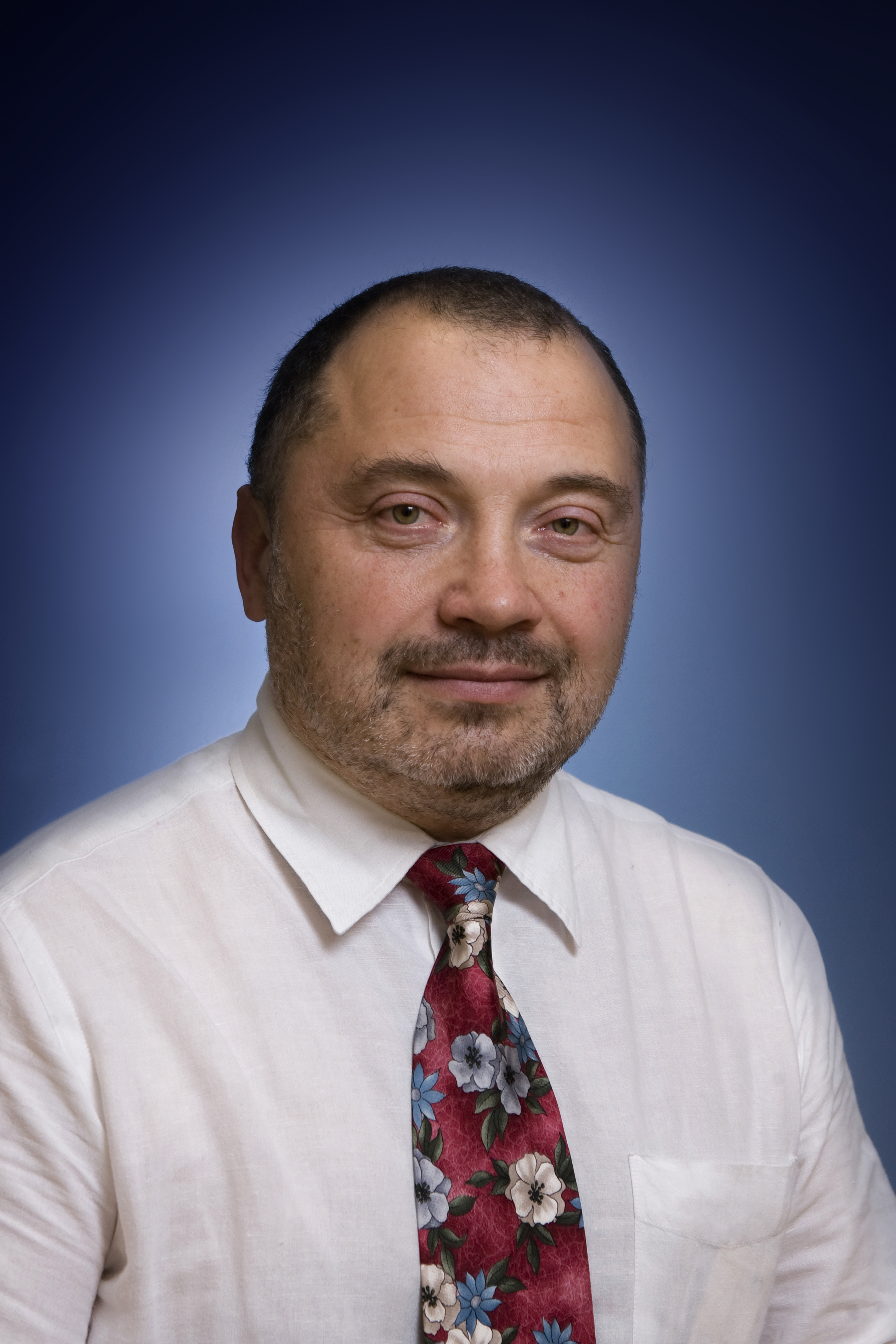
Former Scholar-in-Residence, Society and Regions Program, Moscow Center
Nikolay Petrov was the chair of the Carnegie Moscow Center’s Society and Regions Program. Until 2006, he also worked at the Institute of Geography at the Russian Academy of Sciences, where he started to work in 1982.
Recent Work
Nikolay Petrov
Nikolay Petrov
Carnegie does not take institutional positions on public policy issues; the views represented herein are those of the author(s) and do not necessarily reflect the views of Carnegie, its staff, or its trustees.