

Q&A
Suzanne Maloney, Aaron David Miller, Karim Sadjadpour
{
  "authors": [
    "Karim Sadjadpour"
  ],
  "type": "legacyinthemedia",
  "centerAffiliationAll": "dc",
  "centers": [
    "Carnegie Endowment for International Peace",
    "Malcolm H. Kerr Carnegie Middle East Center"
  ],
  "collections": [],
  "englishNewsletterAll": "menaTransitions",
  "nonEnglishNewsletterAll": "",
  "primaryCenter": "Carnegie Endowment for International Peace",
  "programAffiliation": "MEP",
  "programs": [
    "Middle East"
  ],
  "projects": [],
  "regions": [
    "Middle East",
    "Iran",
    "Gulf"
  ],
  "topics": [
    "Political Reform",
    "Nuclear Policy"
  ]
}
Source: Getty
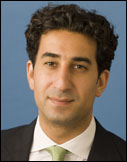
The recent UN sanctions may have been diluted by the strategic interests of members of the UN Security Council, but they could have a stronger impact if they lead to more unilateral sanctions from European countries.
Source: The Diane Rehm Show

The recent UN sanctions are, Sadjadpour contended, “a starting point, not a finishing line.” In other words, he explained, UN sanctions are generally passed on a lowest common denominator formula because of the strategic interests of states like Russia and China. However, the hope is that these new sanctions will lead to more unilateral sanctions from European countries. “The question is, will these sanctions change the calculations of the regime in regards to their nuclear program,” said Sadjadpour, “and the past thirty years shows the regime is willing to subject its people to economic hardship rather than compromise ideologically.”
Moving forward, Sadjadpour saw three broad challenges for the Obama administration in regards to Iran:

Senior Fellow, Middle East Program
Karim Sadjadpour is a senior fellow at the Carnegie Endowment for International Peace, where he focuses on Iran and U.S. foreign policy toward the Middle East.
Recent Work


Suzanne Maloney, Aaron David Miller, Karim Sadjadpour

Aaron David Miller, Karim Sadjadpour, Robin Wright
Carnegie does not take institutional positions on public policy issues; the views represented herein are those of the author(s) and do not necessarily reflect the views of Carnegie, its staff, or its trustees.
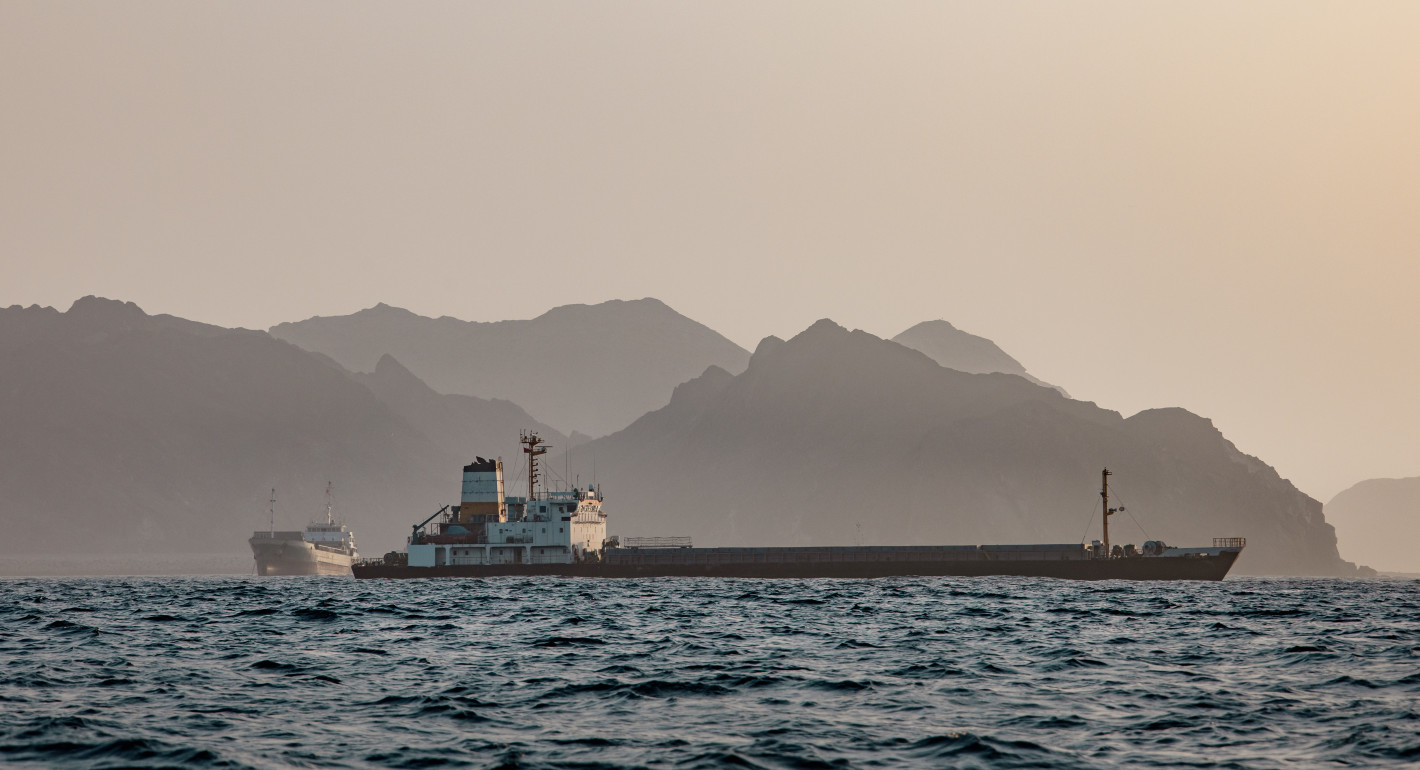
Middle powers in the region will keep hedging between Washington and Beijing. It’s in the great powers’ interests to play along.

Amr Hamzawy, Kathryn Selfe
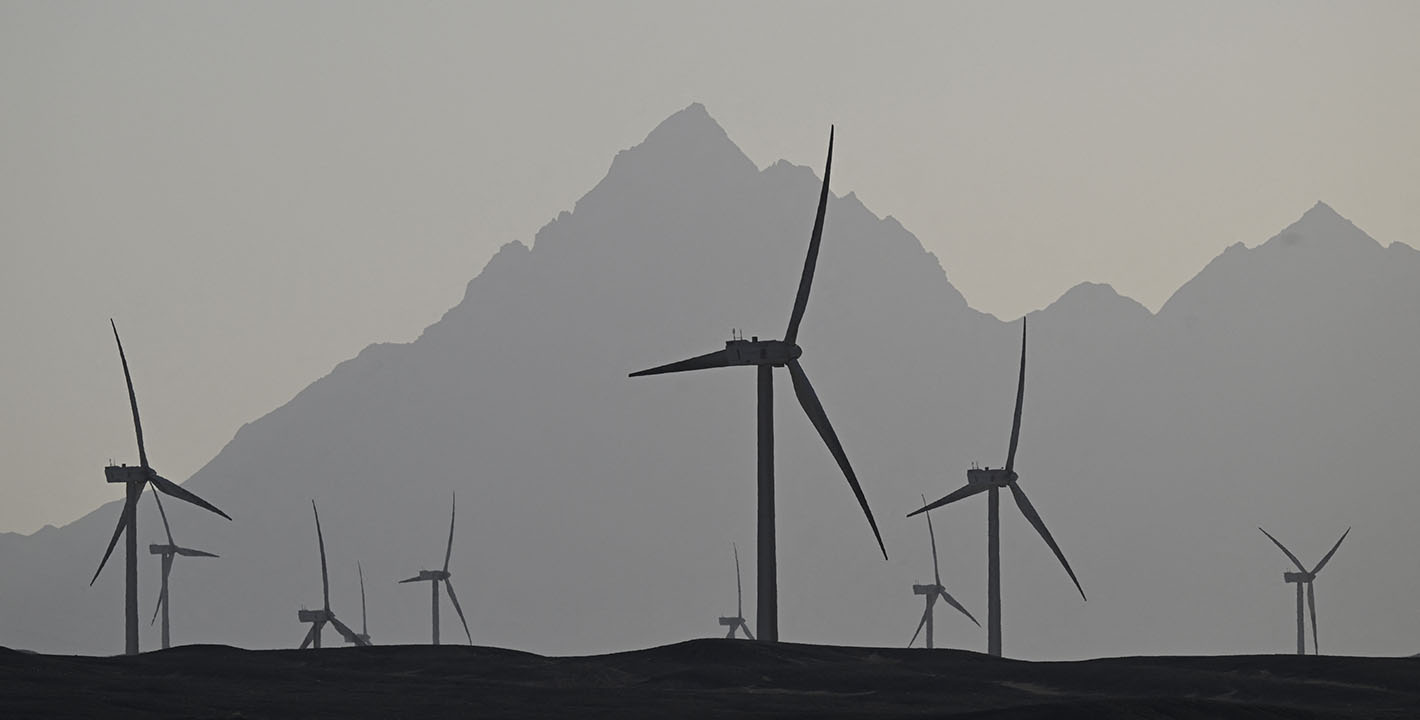
There is a disturbing structural parallel between the old global energy economy and the new green transition.

Angie Omar

A review of a detailed account of how antipathy toward Tehran has assumed a life and logic of its own in Washington, DC.

Jane Darby Menton
The world’s climate adaptation funds must adapt to address the ways that climate change is deepening state fragility.
Ray Salvatore Jennings, Paul Andrew Mayewski

Ongoing uncertainty in the Middle East allows Moscow to both increase its influence in Tehran and continue to enjoy the financial windfall of higher oil prices.

Nikita Smagin