

Commentary
Dmitri Trenin
{
  "authors": [
    "Dmitri Trenin"
  ],
  "type": "legacyinthemedia",
  "centerAffiliationAll": "",
  "centers": [
    "Carnegie Endowment for International Peace",
    "Malcolm H. Kerr Carnegie Middle East Center",
    "Carnegie Russia Eurasia Center"
  ],
  "collections": [],
  "englishNewsletterAll": "",
  "nonEnglishNewsletterAll": "",
  "primaryCenter": "Carnegie Russia Eurasia Center",
  "programAffiliation": "",
  "programs": [],
  "projects": [
    "Eurasia in Transition"
  ],
  "regions": [
    "Levant"
  ],
  "topics": []
}
Source: Getty
The Middle East is in a state of heightened tension following Israel’s armed attack on a flotilla of humanitarian aid. If nations in the region are determined to provoke a war, little can be done to prevent conflict from escalating.
Source: Russia Today
Israel’s raid on a flotilla of humanitarian aid has brought global attention to the situation in the Gaza Strip. Dmitri Trenin discussed the flotilla incident and its implications for Israel and the international community with Al Gurnov of Russia Today.
The purpose of Israel’s blockade, Trenin explained, is to prevent Hamas from acquiring arms and ammunitions. Trenin suggested that domestic forces within Turkey had their own interests in the success or failure of the flotilla, and might have anticipated a political benefit when Israel was provoked into an armed attack on the flotilla, resulting in nine deaths. A thorough international investigation that looks at the broader picture and beyond the events that transpired on the ship is necessary, Trenin concluded.
Turning to the growing tension between Israel and Iran, Trenin suggested that war could break out between the two nations if Iran sends its own flotilla, with Iranian revolutionary guards on board ready to provoke Israel into another violent response. He also noted that the Middle East is close to slipping into war. If Iran is intent on provoking Israel, Trenin stated, there is little that can be done to prevent conflict.
Former Director, Carnegie Moscow Center
Trenin was director of the Carnegie Moscow Center from 2008 to early 2022.
Recent Work
Dmitri Trenin
Dmitri Trenin
Carnegie does not take institutional positions on public policy issues; the views represented herein are those of the author(s) and do not necessarily reflect the views of Carnegie, its staff, or its trustees.
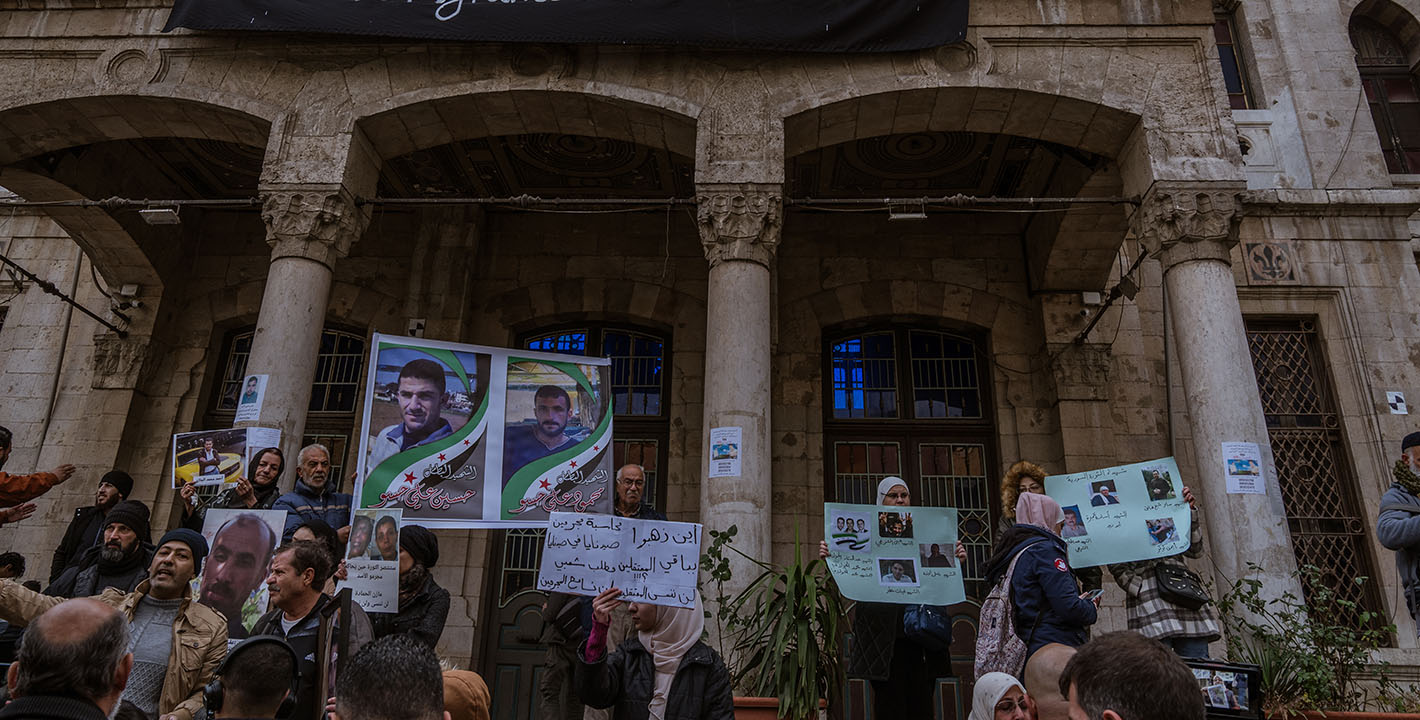
Reconciliation councils are emerging throughout the country to mediate in intracommunal disputes, many from the war years.
Natacha Danon
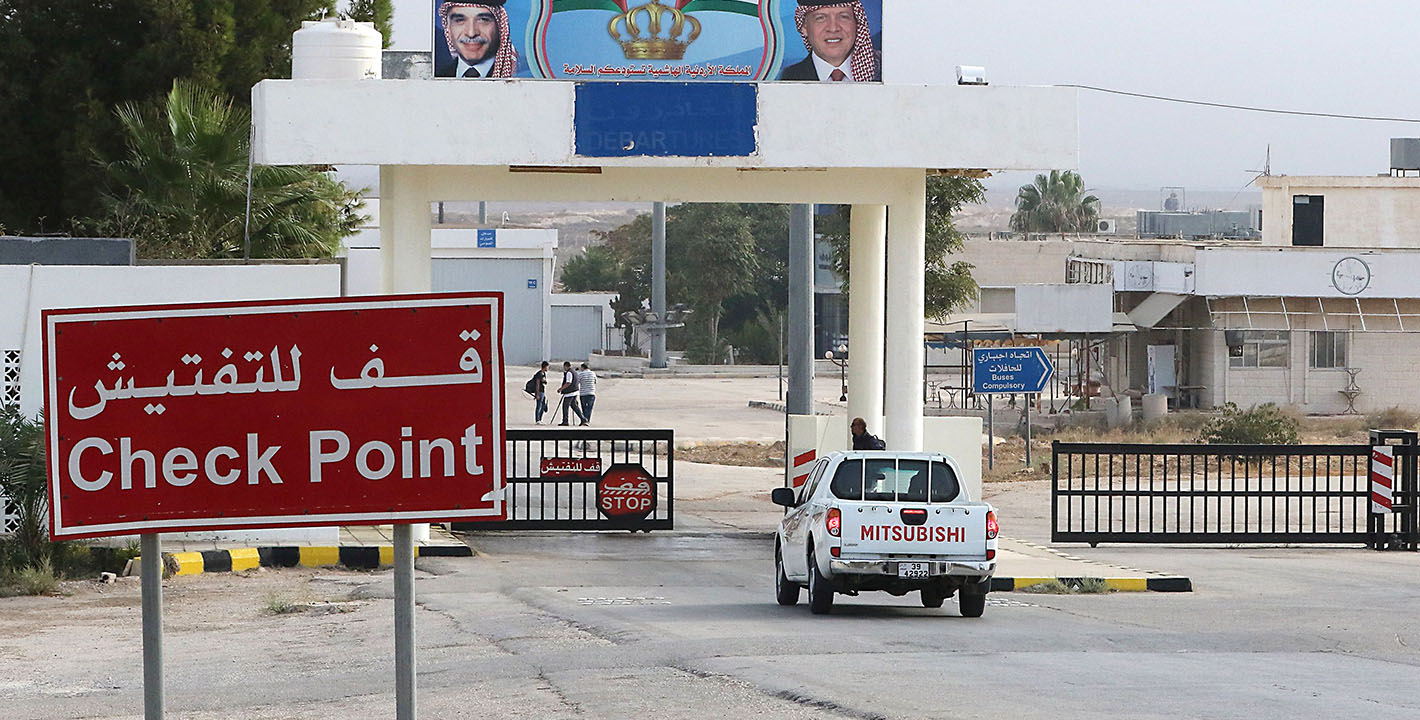
The civil war in Syria may have ended, but the country continues to serve as a source for the trafficking of illegal substances into and via Jordanian territory.

Armenak Tokmajyan, Laith Qerbaa
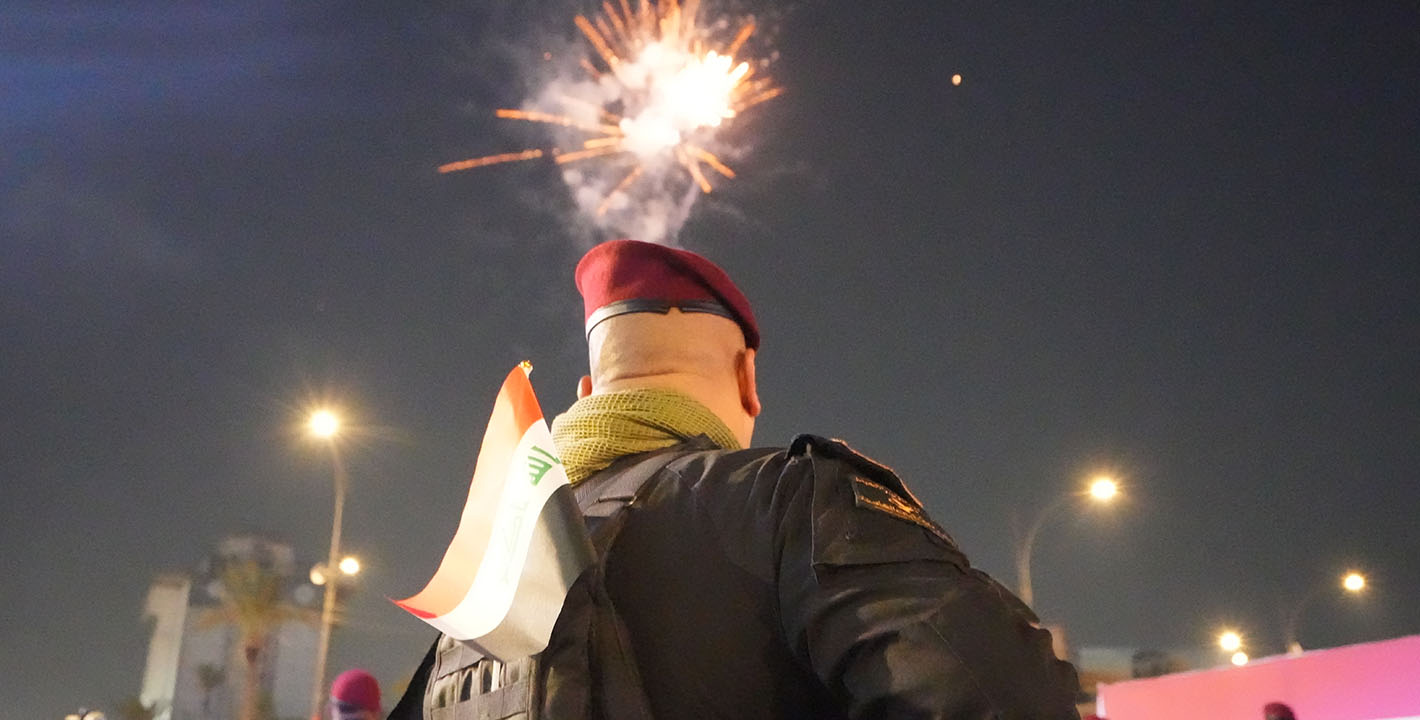
As the U.S.-led Coalition withdraws, the Kurds’ reliance on Baghdad, and on themselves, will only increase.
Wladimir van Wilgenburg
The Zaidi government’s objective to collect weapons is constrained by regional conflict, but it can take certain measures at home.
Ali Al-Mawlawi
Any move by the United States to make good on Trump’s suggestion that Washington persuade Damascus to confront Hezbollah militarily would have catastrophic consequences.
Kheder Khaddour