Commentary
Uri Dadush
{
  "authors": [
    "Uri Dadush"
  ],
  "type": "legacyinthemedia",
  "centerAffiliationAll": "",
  "centers": [
    "Carnegie Endowment for International Peace"
  ],
  "collections": [],
  "englishNewsletterAll": "",
  "nonEnglishNewsletterAll": "",
  "primaryCenter": "Carnegie Endowment for International Peace",
  "programAffiliation": "",
  "programs": [],
  "projects": [],
  "regions": [
    "Western Europe",
    "United Kingdom",
    "France",
    "Germany",
    "North America"
  ],
  "topics": [
    "Economy"
  ]
}
Source: Getty
The problems that led to the crisis in Europe go beyond just fiscal profligacy and will take a long time to correct. Though the euro will likely survive the adjustment, the crisis could still have a profound effect on the global economy.
Source: Voice of America
Though the crisis in Europe is not expected to be as devastating as the financial crisis in 2008, Uri Dadush explains that it will likely last longer. Europe’s problems “cannot be dealt with very quickly. You need to correct not just the government debt problems and the fiscal problems which are the result of very deep recessions, but you also have to do something about making these economies more competitive.” The dissolution of the Euro area is unlikely, but it is conceivable that one or two countries, including Greece, could decide to leave the Euro area in order to facilitate the adjustments needed to resolve the crisis.
Dadush also notes that the crisis is not confined to Europe. Problems in the Euro area, one of the world’s largest export markets, will impact economies around the world. Major trading partners, including the United States and China, will lose competitiveness relative to Europe as the value of the euro falls. For the United States, however, the biggest risk from the Euro crisis comes through financial channels. If the crisis intensifies, European banks would be hit with big losses that could cause credit markets to tighten again.

Former Senior Associate, International Economics Program
Dadush was a senior associate at the Carnegie Endowment for International Peace. He focuses on trends in the global economy and is currently tracking developments in the eurozone crisis.
Recent Work
Uri Dadush
Uri Dadush
Carnegie does not take institutional positions on public policy issues; the views represented herein are those of the author(s) and do not necessarily reflect the views of Carnegie, its staff, or its trustees.

Five problems—and solutions—to make it actually work as a tool of great power competition.

Afreen Akhter

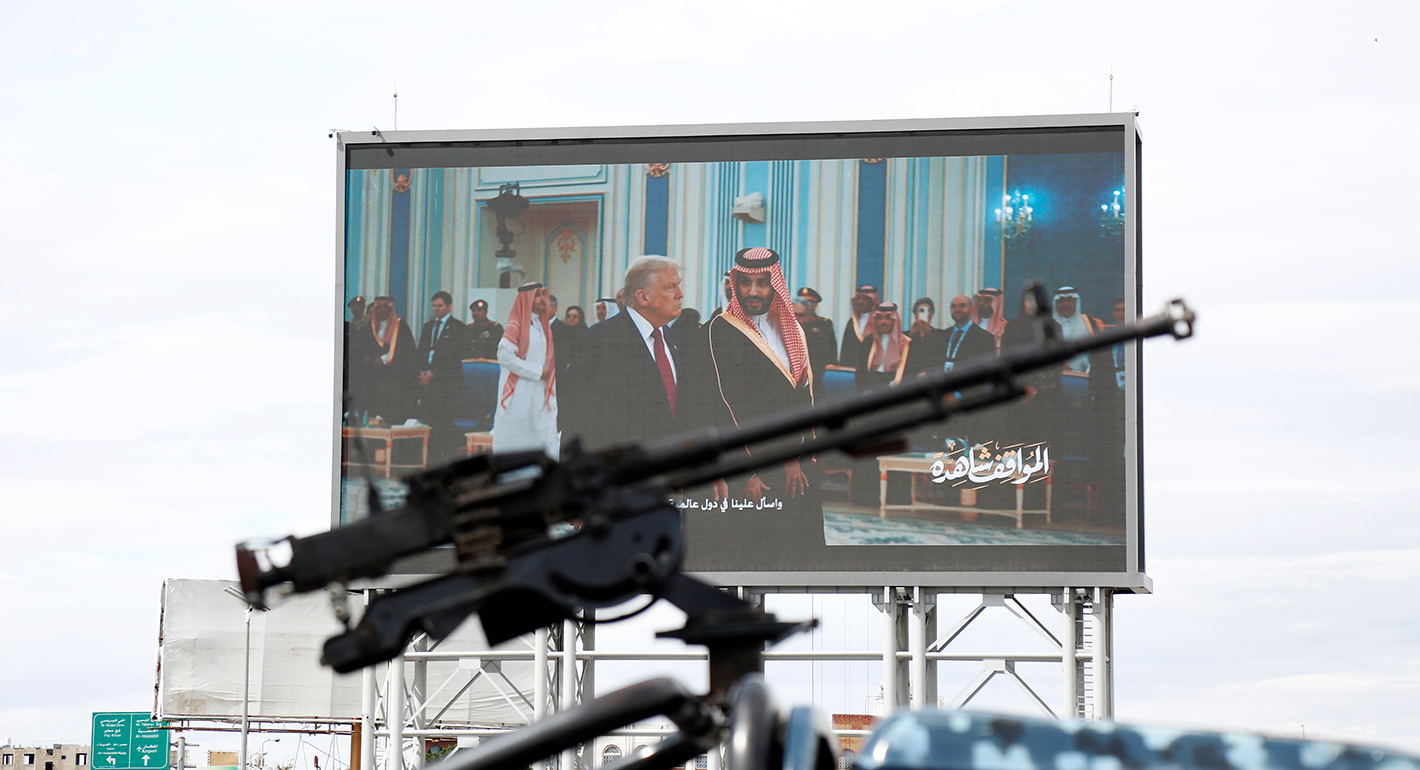
As the war between the United States, Israel, and Iran continues, Carnegie scholars contribute cutting-edge analysis on the events of the war and their wide-reaching implications. From the impact on Iran and its immediate neighbors to the responses from Gulf states to fuel and fertilizer shortages caused by the effective shutdown of the Strait of Hormuz, the war is reshaping Middle East alliances and creating shockwaves around the world. Carnegie experts analyze it all.
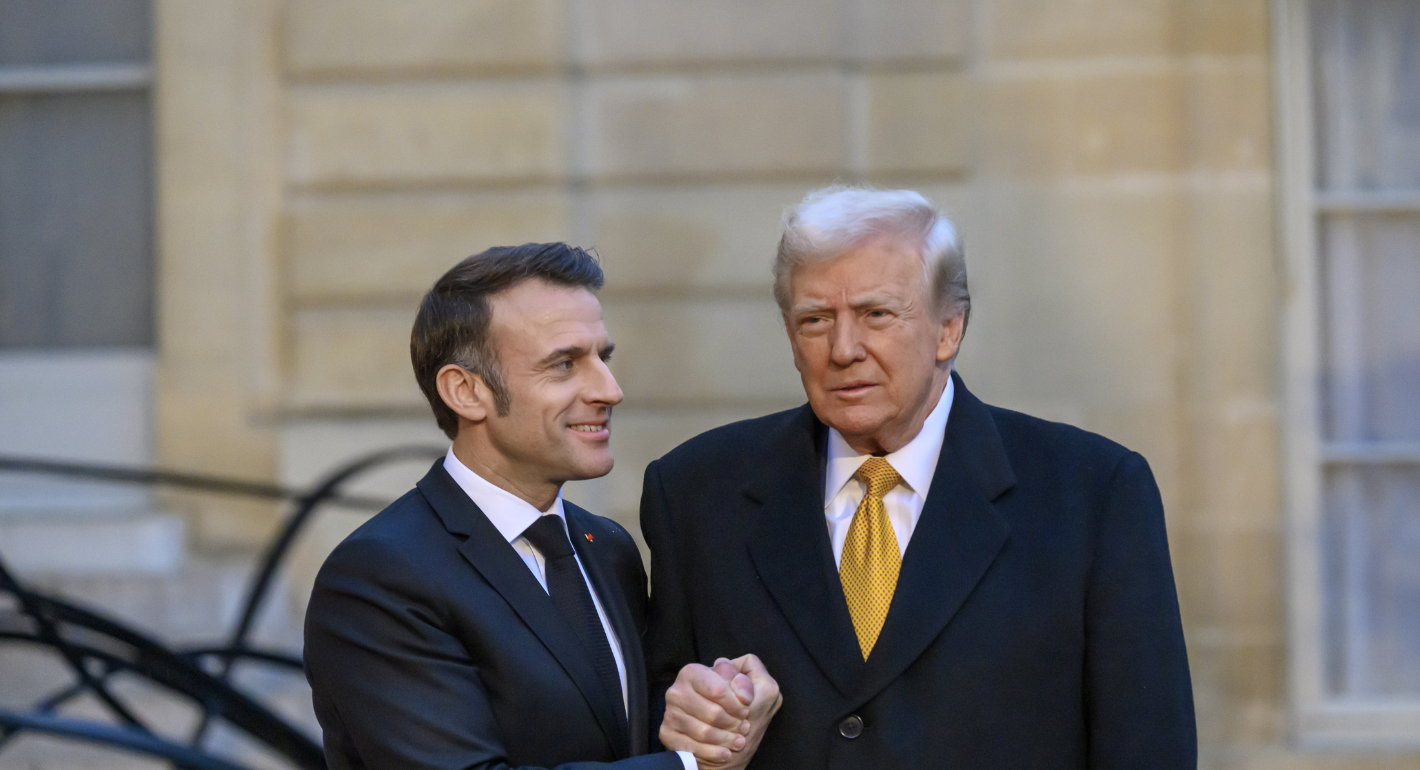
Donald Trump’s repudiation of NATO goes against the Make America Great Again vision of a U.S.-centered foreign policy. If the goal is to preserve the alliance by boosting Europe’s commitments, leaning into France’s vision is the most America First way forward.

Rym Momtaz
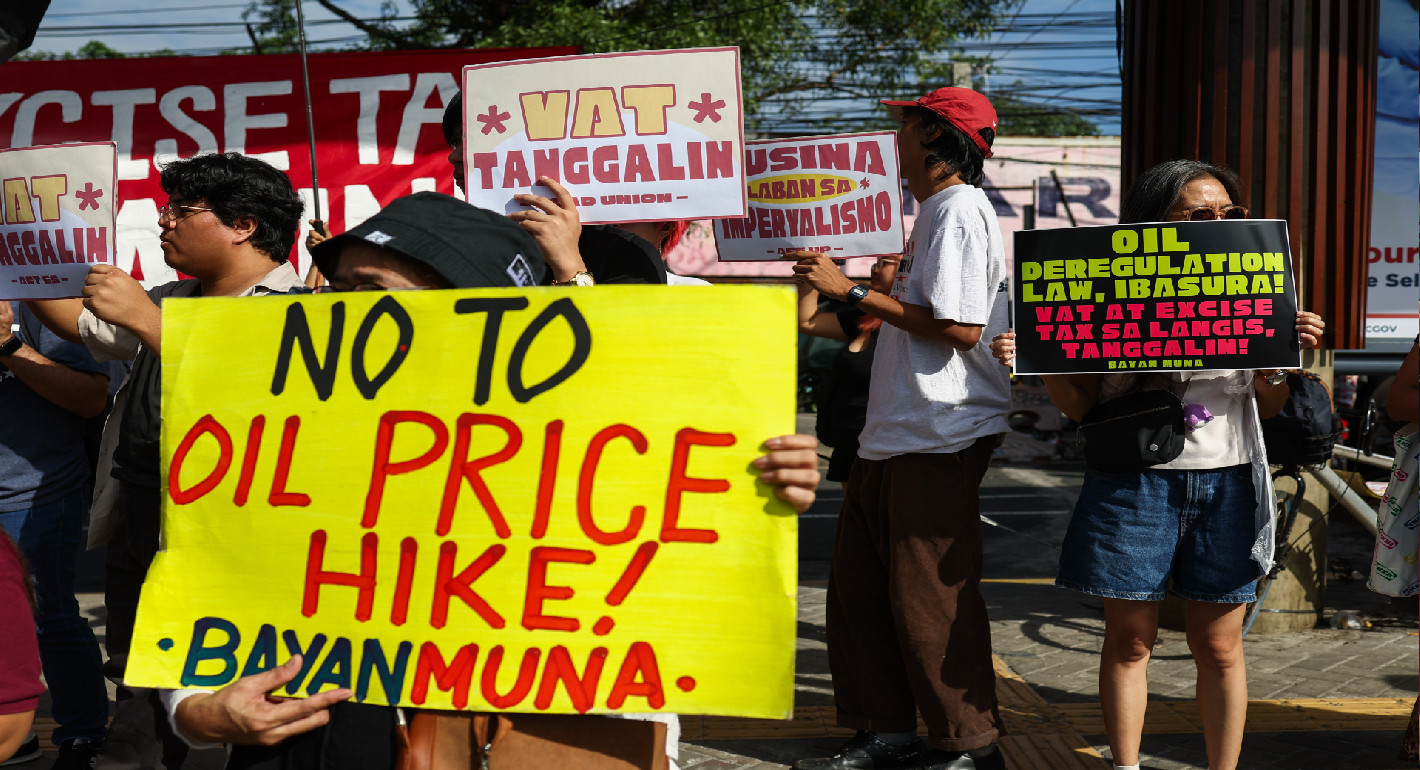
There is no better time for the countries of Southeast Asia to reconsider their energy security than during this latest crisis.

Gita Wirjawan
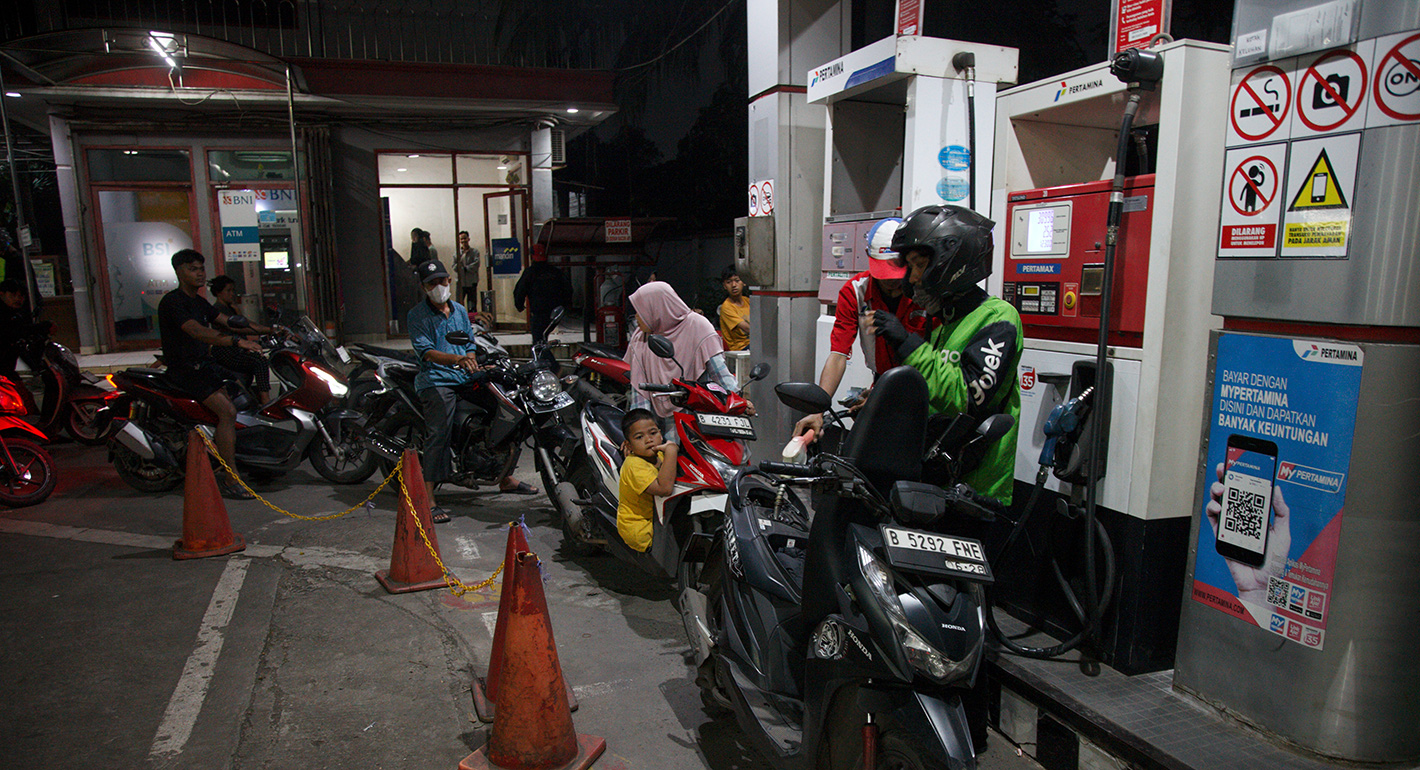
As conflict in the Middle East drives up fuel costs across Asia, Indonesia faces difficult policy trade-offs over subsidies, inflation, and fiscal credibility. President Prabowo’s personalized governance style may make these hard choices even harder to navigate.

Sana Jaffrey