• Research
  • Emissary
  • About
  • Experts
Carnegie Global logoCarnegie lettermark logo
DemocracyIran
  • Donate
{
  "authors": [
    "Martha Brill Olcott"
  ],
  "type": "testimony",
  "centerAffiliationAll": "dc",
  "centers": [
    "Carnegie Endowment for International Peace",
    "Carnegie Russia Eurasia Center"
  ],
  "collections": [],
  "englishNewsletterAll": "ctw",
  "nonEnglishNewsletterAll": "",
  "primaryCenter": "Carnegie Endowment for International Peace",
  "programAffiliation": "russia",
  "programs": [
    "Russia and Eurasia"
  ],
  "projects": [
    "Eurasia in Transition"
  ],
  "regions": [
    "Central Asia",
    "Kyrgyz Republic"
  ],
  "topics": [
    "Security",
    "Foreign Policy"
  ]
}

Source: Getty

Testimony

Instability in Kyrgyzstan: The International Response

The international community can help bring much-needed stability to Kyrgyzstan, which has experienced violent ethnic clashes as its leaders lay the groundwork for Central Asia’s first genuine parliamentary democracy.

Link Copied
By Martha Brill Olcott
Published on Jul 27, 2010
Program mobile hero image

Program

Russia and Eurasia

The Russia and Eurasia Program continues Carnegie’s long tradition of independent research on major political, societal, and security trends in and U.S. policy toward a region that has been upended by Russia’s war against Ukraine.  Leaders regularly turn to our work for clear-eyed, relevant analyses on the region to inform their policy decisions.

Learn More
Project hero Image

Project

Eurasia in Transition

Learn More

Source: U.S. Commission on Security and Cooperation in Europe

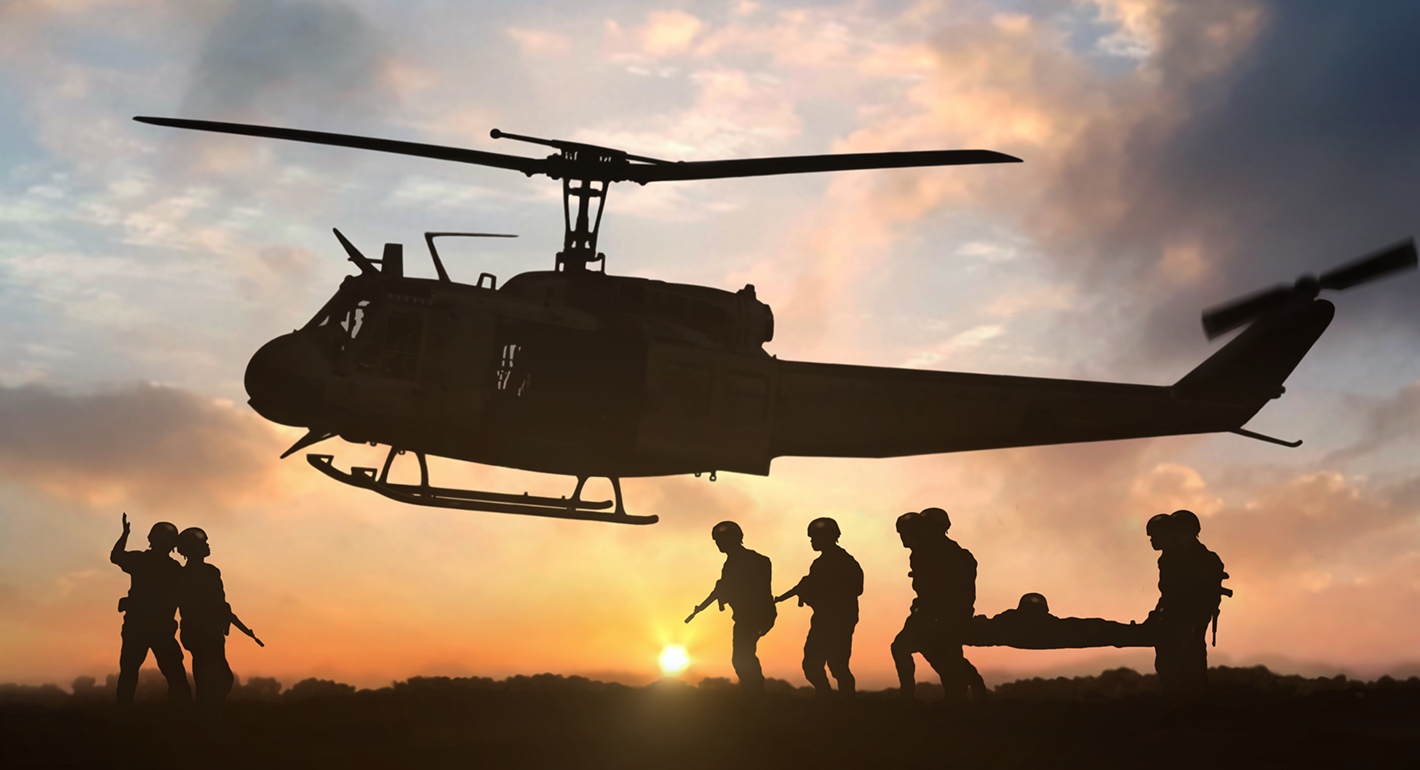
In recent months, Kyrgyzstan has experienced violent ethnic clashes as its leaders lay the groundwork for Central Asia’s first genuine parliamentary democracy. In testimony before the Helsinki Commission, Martha Olcott explains what the United States can do in the months ahead to help bring much-needed stability to Kyrgyzstan.

U.S. Policy Recommendations:

  • Police training: The United States should urge the Kyrgyz government to allow an Organization for Security and Co-operation in Europe (OSCE) police training mission to take up positions in the country’s south, where recent ethnic violence took place.
     
  • Donor coordination: One of Kyrgyzstan’s most pressing challenges is promoting economic growth and improving the standard of living. Significant financial assistance from the United States and other donor countries would help ease the country through the difficult transition from authoritarianism to democracy.
     
  • Election monitoring and certification: The OSCE should closely monitor the scheduled parliamentary elections in October. A free and fair election—as certified by the OSCE—would lend important legitimacy to the incoming government.

It is vital that the government and people of Kyrgyzstan set realistic expectations and recognize that difficult days lie ahead. Without critical help from the international community, Olcott warns, “Kyrgyzstan will continue a downward spiral toward state failure, and put its own population and those in neighboring states at severe risk.”
 

About the Author

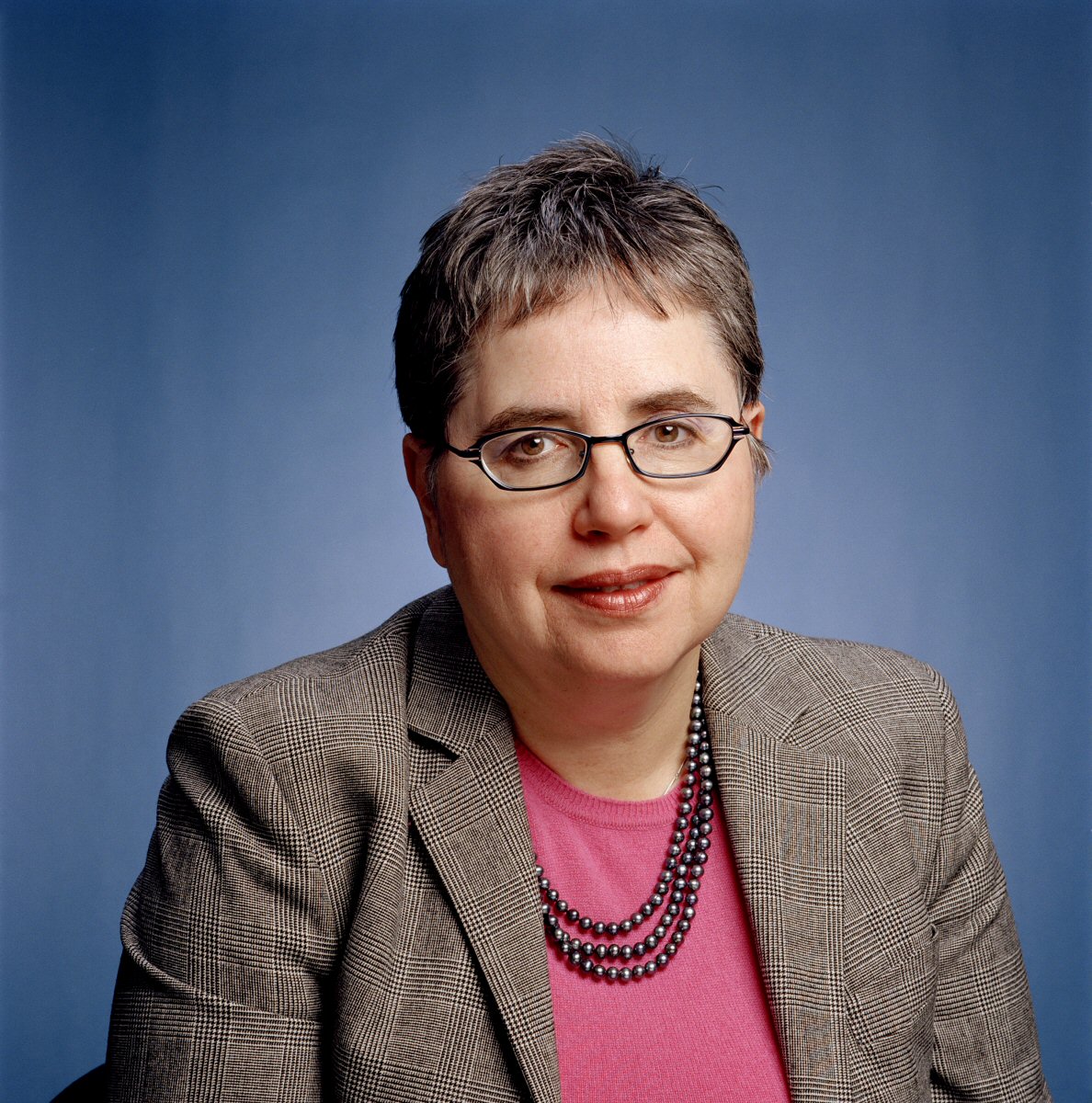
Martha Brill Olcott

Former Senior Associate, Russia and Eurasia Program and, Co-director, al-Farabi Carnegie Program on Central Asia

Olcott is professor emerita at Colgate University, having taught political science there from 1974 to 2002. Prior to her work at the endowment, Olcott served as a special consultant to former secretary of state Lawrence Eagleburger.

    Recent Work

  • In The Media
    After Crimea: Will Kazakhstan be Next in Putin’s Reintegration Project?

      Martha Brill Olcott

  • Article
    China’s Unmatched Influence in Central Asia

      Martha Brill Olcott

Martha Brill Olcott
Former Senior Associate, Russia and Eurasia Program and, Co-director, al-Farabi Carnegie Program on Central Asia
Martha Brill Olcott
SecurityForeign PolicyCentral AsiaKyrgyz Republic

Carnegie does not take institutional positions on public policy issues; the views represented herein are those of the author(s) and do not necessarily reflect the views of Carnegie, its staff, or its trustees.

More Work from Carnegie Endowment for International Peace

  • Commentary
    Southeast Asia’s Agency Amid the New Oil Crisis

    There is no better time for the countries of Southeast Asia to reconsider their energy security than during this latest crisis.

      Gita Wirjawan

  • Commentary
    Fuel Crisis Forces Politically Perilous Trade-Offs in Indonesia

    As conflict in the Middle East drives up fuel costs across Asia, Indonesia faces difficult policy trade-offs over subsidies, inflation, and fiscal credibility. President Prabowo’s personalized governance style may make these hard choices even harder to navigate.

      Sana Jaffrey

  • Commentary
    Europe Doesn’t Like War—for Good Reasons

    The wars in Ukraine and the Middle East are existential threats to Europe as a peace project. Leaders and citizens alike must reaffirm their solidarity to face up to today’s multifaceted challenges.

      Marc Pierini

  • Commentary
    Emissary
    In Its Iran War Debate, Washington Has Lost the Plot in Asia

    The United States ignores the region’s lived experience—and the tough political and social trade-offs the war has produced—at its peril.

      Evan A. Feigenbaum

  • A member of "Timur's Special Forces Unit" of the Defence Intelligence of Ukraine looks on on Snake Island, also known as Zmiinyi Island, located in the Black Sea, on August 14, 2025, amid the Russian invasion of Ukraine.
    Article
    The Changing Military Balance in the Black Sea: A Ukrainian Perspective

    Ukraine’s asymmetric approach has rendered Russia’s Black Sea Fleet functionally useless. But a long-term commitment will be needed to maintain this balance of power.

      Alina Frolova, Stepan Yakymiak

Get more news and analysis from
Carnegie Endowment for International Peace
Carnegie global logo, stacked
1779 Massachusetts Avenue NWWashington, DC, 20036-2103Phone: 202 483 7600Fax: 202 483 1840
  • Research
  • Emissary
  • About
  • Experts
  • Donate
  • Programs
  • Events
  • Blogs
  • Podcasts
  • Contact
  • Annual Reports
  • Careers
  • Privacy
  • For Media
  • Government Resources
Get more news and analysis from
Carnegie Endowment for International Peace
© 2026 Carnegie Endowment for International Peace. All rights reserved.