

Paper
Paul Salem
{
  "authors": [
    "Paul Salem"
  ],
  "type": "legacyinthemedia",
  "centerAffiliationAll": "",
  "centers": [
    "Carnegie Endowment for International Peace",
    "Malcolm H. Kerr Carnegie Middle East Center"
  ],
  "collections": [],
  "englishNewsletterAll": "",
  "nonEnglishNewsletterAll": "",
  "primaryCenter": "Malcolm H. Kerr Carnegie Middle East Center",
  "programAffiliation": "",
  "programs": [],
  "projects": [],
  "regions": [
    "Egypt",
    "Levant"
  ],
  "topics": []
}
Source: Getty
While areas of cooperation between Egypt and Turkey are numerous, Egypt has not entirely reconciled itself to Ankara’s larger ambitions in the Middle East.
Source: World Politics Review

How would you characterize Turkish-Egyptian relations historically?
Has that changed recently? If so, how?
What are the potential issues for increased cooperation and/or conflict between the two?

Senior Fellow at the Middle East Institute
Paul Salem is a senior fellow at the Middle East Institute.
Recent Work
Paul Salem
Paul Salem
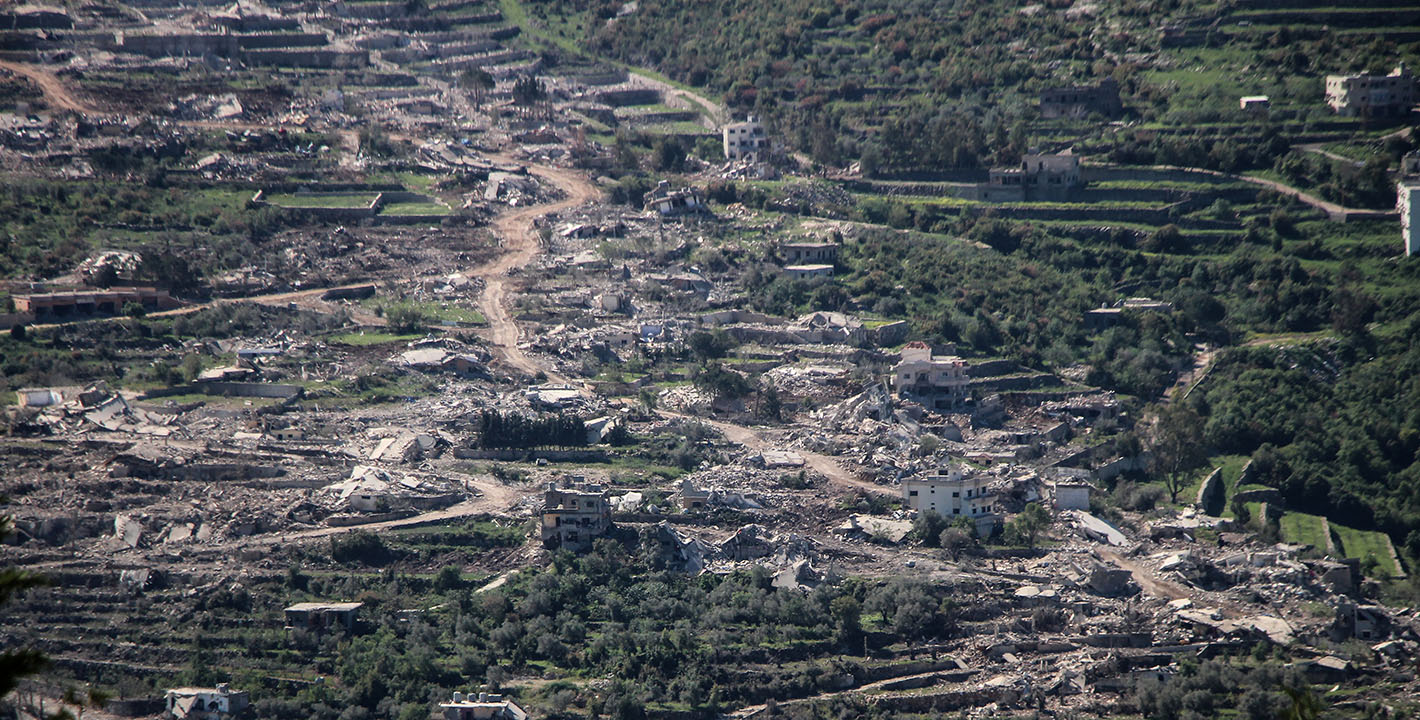
As negotiations with Iran and Lebanon continue, chaos is at the heart of the Netanyahu government’s calculations.

Michael Young
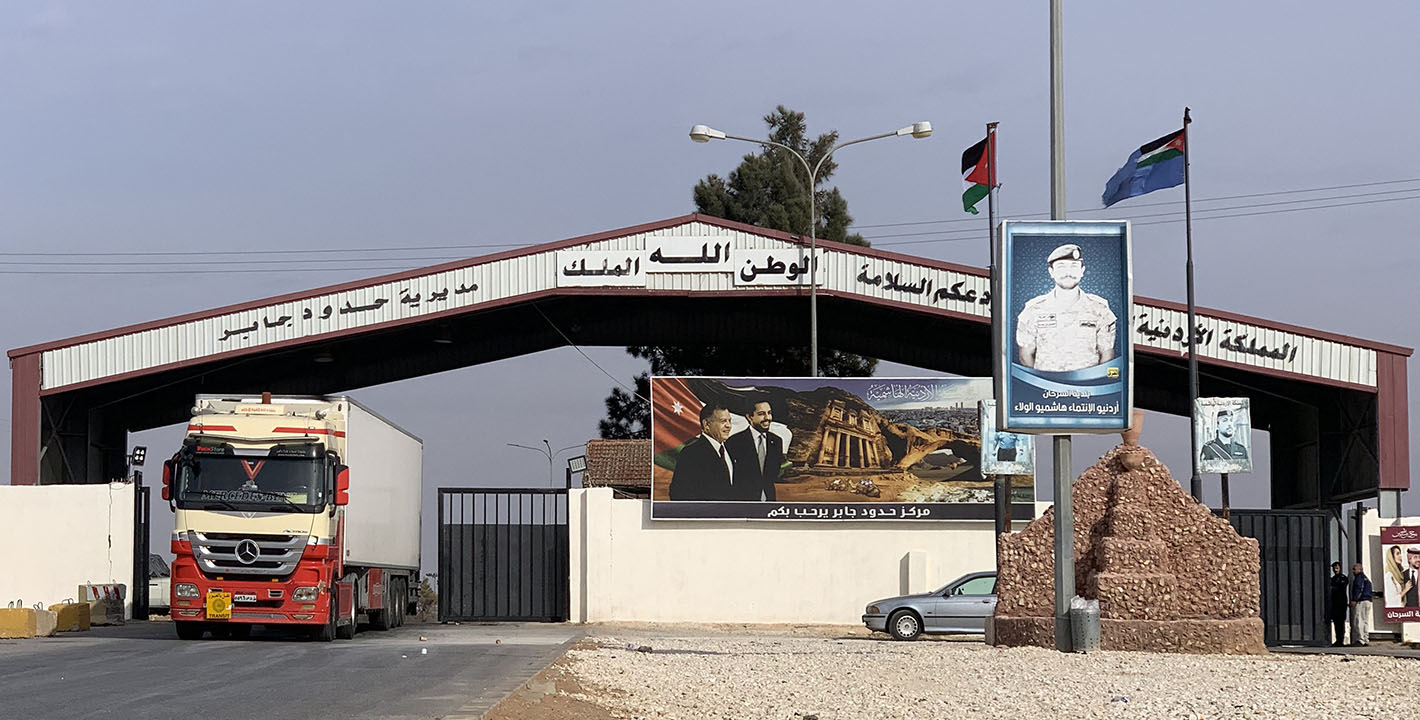
Trade statistics show why Amman has more reason than Damascus to welcome the improvement in bilateral commerce.

Armenak Tokmajyan

Israel is encroaching on the country’s territory, while the Lebanese look askance at one another.

Issam Kayssi
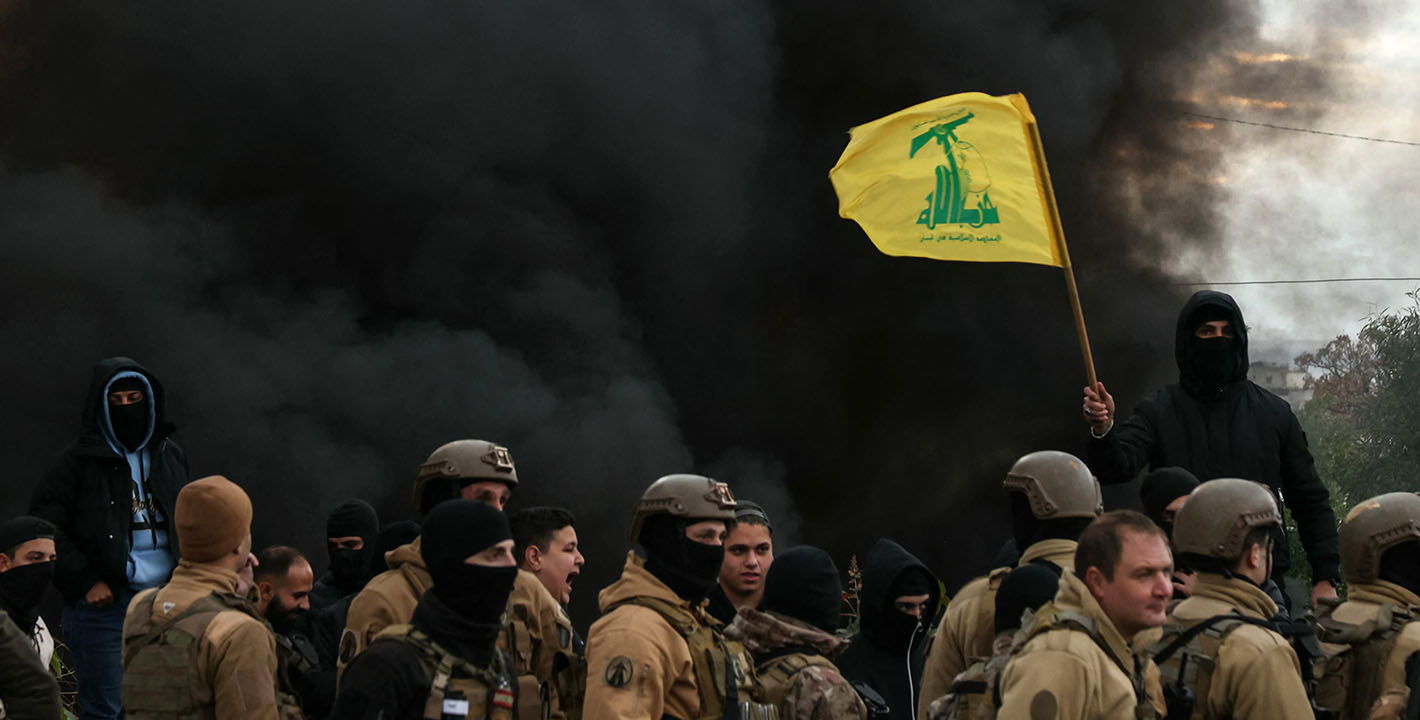
The party’s domestic and regional roles have changed, so Lebanon should devise a disarmament strategy that encompasses this.
Michael Young

Because perpetual conflict enhances control, offers economic benefits, and allows leaders to ignore popular preferences.

Angie Omar