

Commentary
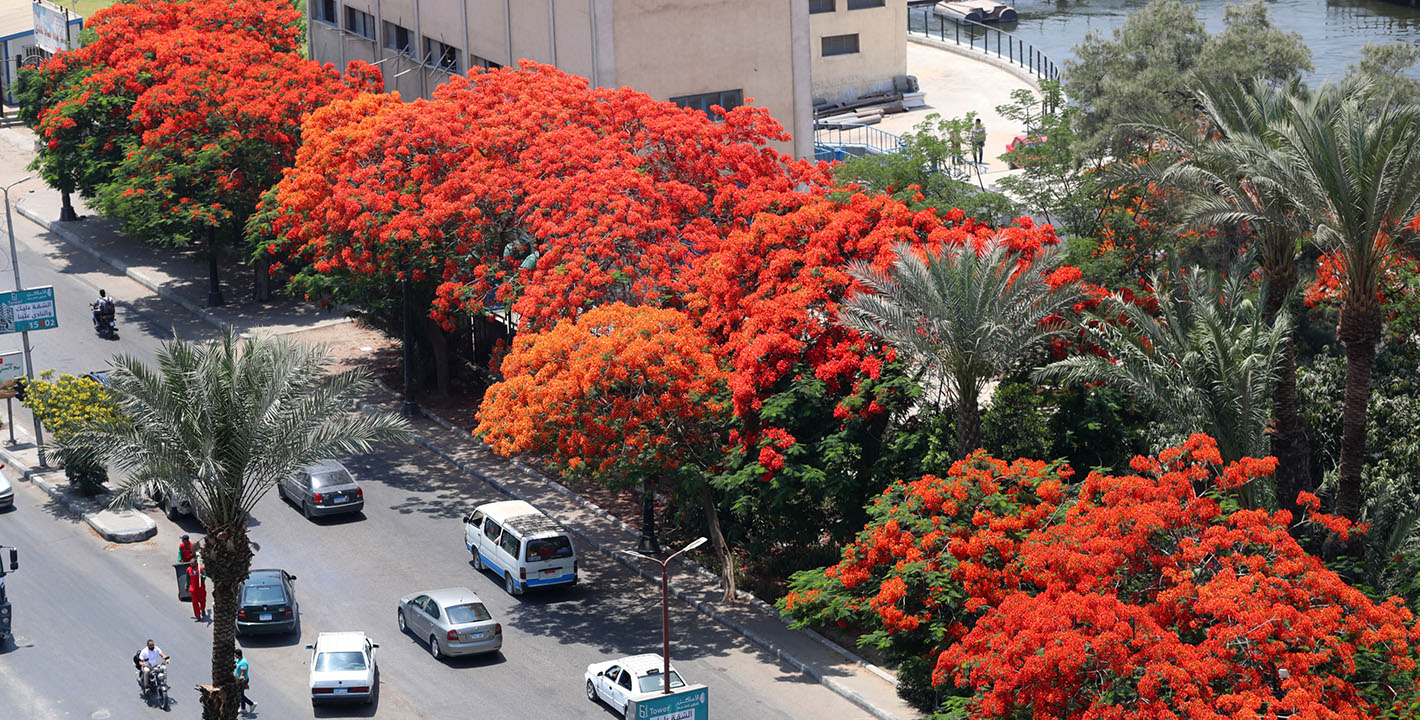
In Egypt’s dense cities, the disappearance of foliage has health implications and punishes daily commuters.
Angie Omar
{
  "authors": [],
  "type": "other",
  "centerAffiliationAll": "",
  "centers": [
    "Carnegie Endowment for International Peace"
  ],
  "collections": [],
  "englishNewsletterAll": "",
  "nonEnglishNewsletterAll": "",
  "primaryCenter": "Carnegie Endowment for International Peace",
  "programAffiliation": "",
  "programs": [],
  "projects": [],
  "regions": [
    "North Africa",
    "Egypt"
  ],
  "topics": []
}
Source: Getty
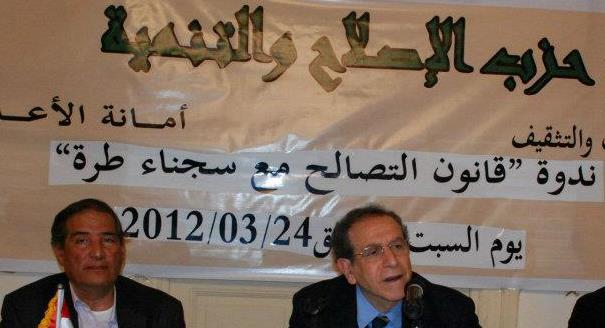
A backgrounder on the Reform and Development Party.
This resource was published on 09/16/2010 and is not updated to reflect changing circumstances.
The Reform and Development Party falls on the liberal side of the spectrum. Starting as a splinter from the Democratic Front in 2009, it was not allowed to register officially until May 2011, but remained active in the interim. The party remained aloof concerning alliances in the 2011 parliamentary elections, joining neither the Democratic Alliance nor the Egypt Bloc.
Ramy Lakkah: President
Anwar Tal’at Esma’t Sadat: Vice President
The Reform and Development Party, a relative newcomer to Egypt’s political scene, was launched in January 2009 by Anwar Tal’at Esma’t Sadat, a nephew of former President Anwar Sadat, after he defected from the Democratic Front Party. The Political Parties Committee rejected his application for legal status in July 2010. Rather than appealing the decision, Sadat started lobbying for a complete overhaul of the committee’s structure to prevent it from functioning as an instrument of the National Democratic Party (NDP) and custodian of the regime’s interests. The party was legalized on May 21, 2011 after the 2011 uprising. In June 2011, the Reform and Development Party merged with the Our Egypt party led by Ramy Lakkah, and Lakkah became the party’s new president.
Carnegie does not take institutional positions on public policy issues; the views represented herein are those of the author(s) and do not necessarily reflect the views of Carnegie, its staff, or its trustees.
In Egypt’s dense cities, the disappearance of foliage has health implications and punishes daily commuters.

Angie Omar

Huawei pushed hard to enter the Egyptian data centers market, until the Americans made a better offer.
Angie Omar

Amid celebrations of bilateral ties was a deeper focus on stability in the Middle East.

Amr Hamzawy
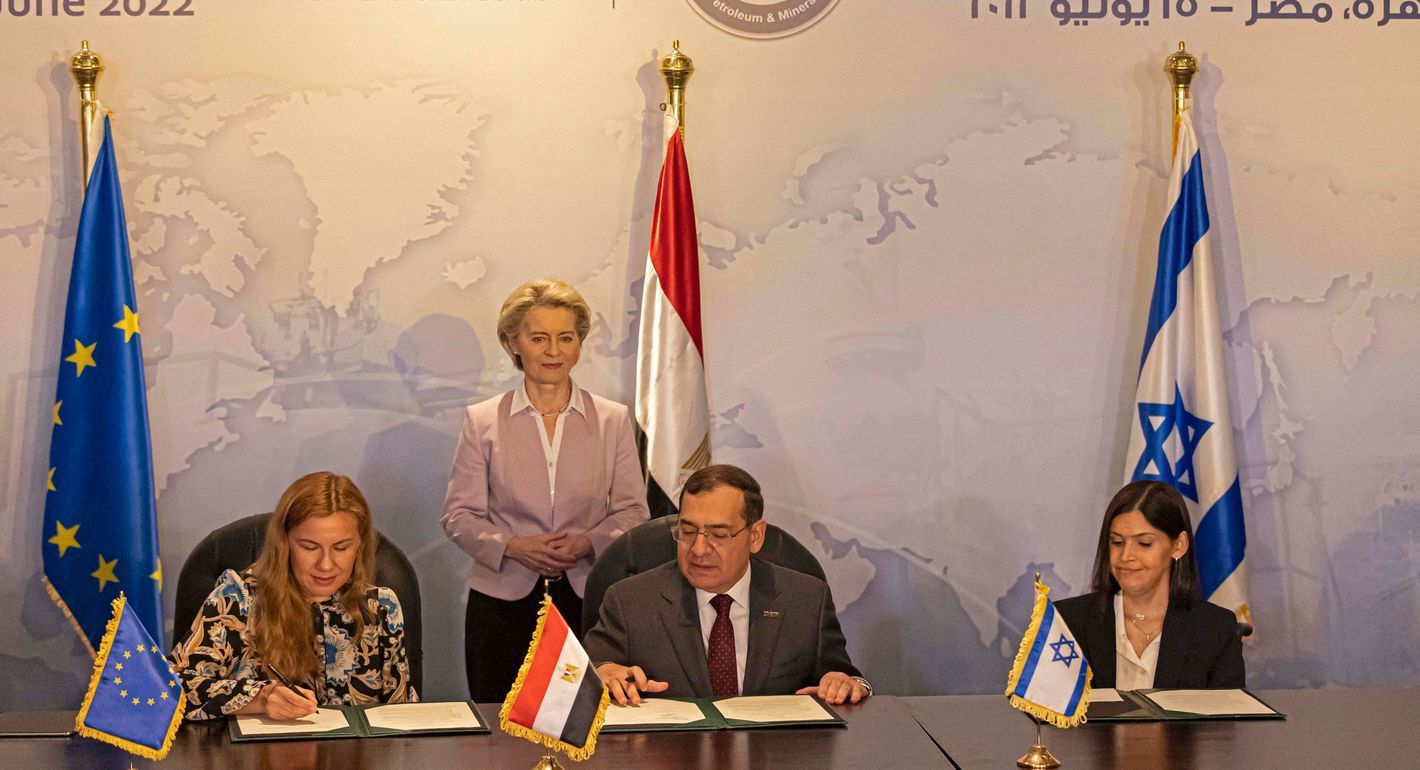
Can economic ties help contain conflict between Egypt and Israel, or do they simply postpone confrontation? Drawing on the German-Russian experience, the article examines how the gas deal creates mutual dependence, keeps channels of cooperation open, and raises the cost of conflict, without necessarily delivering lasting peace.

Nourhan Hefzy

Most migrants may have left Ceuta, but the effects may linger.


Alejandro Martin Rodriguez, Sarah Yerkes