

Commentary
Uri Dadush
{
  "authors": [
    "Uri Dadush"
  ],
  "type": "legacyinthemedia",
  "centerAffiliationAll": "",
  "centers": [
    "Carnegie Endowment for International Peace"
  ],
  "collections": [],
  "englishNewsletterAll": "",
  "nonEnglishNewsletterAll": "",
  "primaryCenter": "Carnegie Endowment for International Peace",
  "programAffiliation": "",
  "programs": [],
  "projects": [],
  "regions": [
    "Western Europe",
    "North America"
  ],
  "topics": [
    "Economy",
    "Trade"
  ]
}
Source: Getty
The enormous expansion of credit in Ireland and the sheer size of its building boom, which was accompanied by a very large loss of competitiveness, are at the center of the country's crisis today.
Source: The Diane Rehm Show

Irish officials are currently resistant to the idea of a bailout because they fear the conditions that will accompany the financial assistance. Dadush said that these conditions may include raising Ireland’s corporate tax rate, which is about half that of most European economies that compete with Ireland for foreign investment.
However, it is very difficult to see how Ireland can get out of the debt trap. Even if it manages to balance the budget, interest rates remain high and public debt is rising at a very rapid rate, Dadush said.
Dadush pointed out that the far greater worry is the risk of contagion to other large, vulnerable Euro area economies, such as Spain and possibly Italy. European authorities are aware of this risk, making the bailout inevitable. The bailout will likely take the form of direct loans to the Irish government, a significant part of which will go to recapitalizing the banking system. Even if the current crisis is managed, Dadush concluded, a whole new institutional mechanism will have to be put in place to avoid a repeat of the crisis.
Former Senior Associate, International Economics Program
Dadush was a senior associate at the Carnegie Endowment for International Peace. He focuses on trends in the global economy and is currently tracking developments in the eurozone crisis.
Recent Work
Uri Dadush
Uri Dadush
Carnegie does not take institutional positions on public policy issues; the views represented herein are those of the author(s) and do not necessarily reflect the views of Carnegie, its staff, or its trustees.
The Bureau of Industry and Security needs to adjust its focus and practices to maintain its position as the U.S. government’s primary champion of international technological competition.

Geoffrey Irving

Depleted financial reserves and a shrinking tax base mean it is no longer possible to simultaneously deliver high defense spending, price stability, and economic growth.

Alexandra Prokopenko
U.S. trading partners in Asia are closely watching the dispute for signs of how it may affect their own interests.

Barbara Weisel
Congress needs to step up and make EXIM a low-carbon financing powerhouse.
Jesse Young
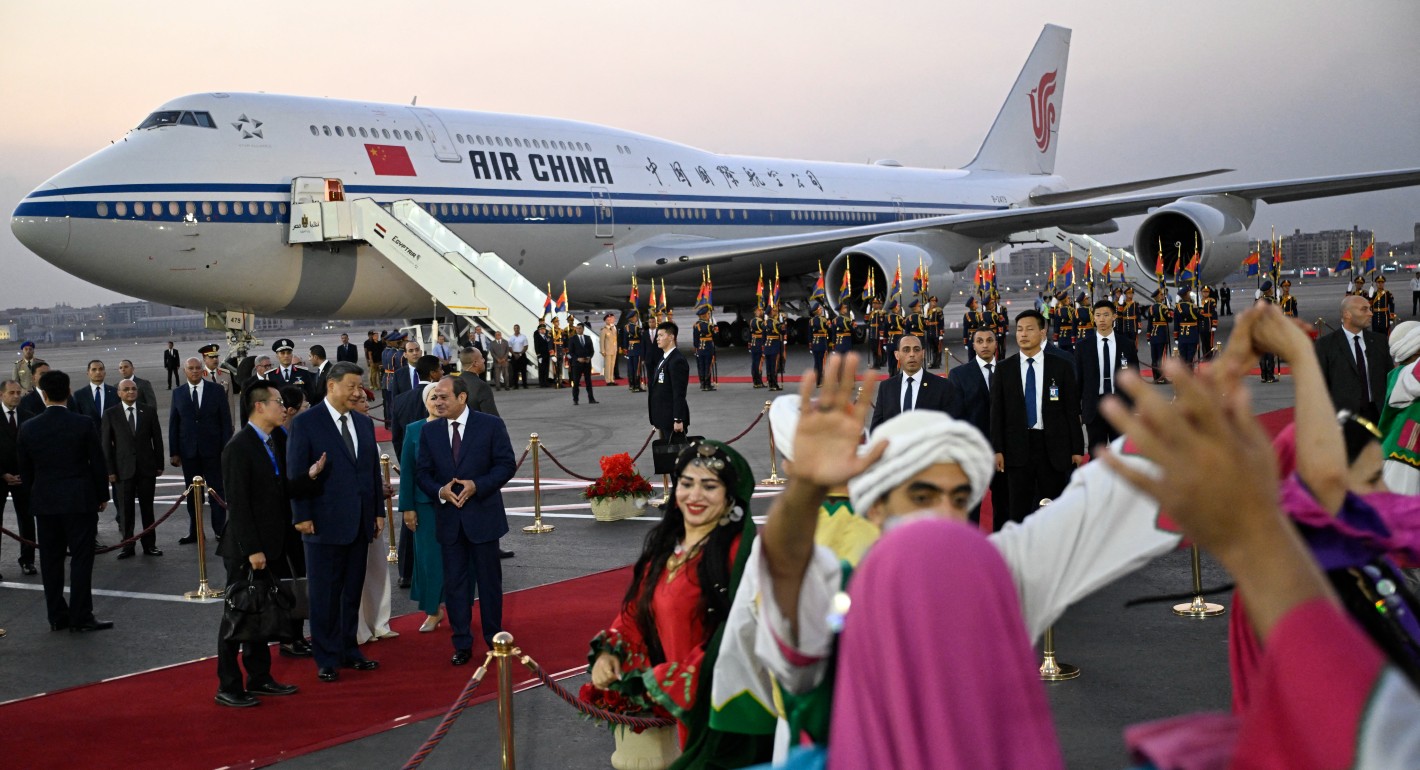
Amid celebrations of bilateral ties was a deeper focus on stability in the Middle East.

Amr Hamzawy