

Q&A
- +1
Sheena Chestnut Greitens, Oriana Skylar Mastro, Yukon Huang, …
{
  "authors": [
    "Yukon Huang"
  ],
  "type": "legacyinthemedia",
  "centerAffiliationAll": "dc",
  "centers": [
    "Carnegie Endowment for International Peace"
  ],
  "collections": [],
  "englishNewsletterAll": "asia",
  "nonEnglishNewsletterAll": "",
  "primaryCenter": "Carnegie Endowment for International Peace",
  "programAffiliation": "AP",
  "programs": [
    "Asia"
  ],
  "projects": [],
  "regions": [
    "East Asia",
    "China"
  ],
  "topics": [
    "Economy"
  ]
}
Source: Getty
While Beijing’s economic growth strategy has led to a significant competitive advantage for China, it has also increased inequality between urban and rural areas and put China’s economy at risk of overheating.
Source: China Brief Insight

The success of Chinese leader Deng Xiaoping’s economic development policy has been attributed to China’s geographic concentration of people, resources, and financial incentives in the coastal south, which created a competitive advantage for the country. Deng realized that by concentrating cheap labor and major ports in its coastal areas, thereby boosting China’s growth through exports.
As a result of China’s rapid growth in the past three decades, inequality between rural and urban areas, and inland and coastal provinces has increased; urban incomes have grown two times faster than rural incomes. This income gap has not yet become a significant problem, since both rural and urban populations have seen improvements in their standard of living, but it is not a sustainable trend. Reducing this income inequality will require higher productivity from China’s service sectors; this will enable rural residents who enjoy increased incomes to move to urban areas. To achieve this, the government must reform the Hukou, a system of residency permits, to facilitate the movement of labor and urbanization.
China’s household consumption has grown at 8-10 percent for the past decade. Some observers argue China should invest less to reduce overheating in its economy; however, investment has served China well by improving labor productivity and making China competitive in the global marketplace. China should focus instead on increasing its tax revenues to fund improved social services, which will help speed up urbanization and household consumption in the long run.
Contrary to the popular belief that the trade balance can be altered by appreciating China’s currency, China’s trade surplus did not change despite the yuan’s appreciation of 20 percent during 2005-2008. Because trade balance is a mirror image of differences between a country’s savings and investment, a revaluation of the yuan would have a minor effect on trade compared to a change in China’s savings and investment structure.

Senior Fellow, Asia Program
Huang is a senior fellow in the Carnegie Asia Program where his research focuses on China’s economy and its regional and global impact.
Recent Work


Sheena Chestnut Greitens, Oriana Skylar Mastro, Yukon Huang, …


Yukon Huang, Isaac B. Kardon, Matt Sheehan

China’s political future will be shaped between now and next October. As the Communist Party enters its intense “campaign season” to prepare for a major political transition in 2027, reading Beijing's actions and responses may become more difficult as domestic politics weigh on its behavior more than usual.

Damien Ma
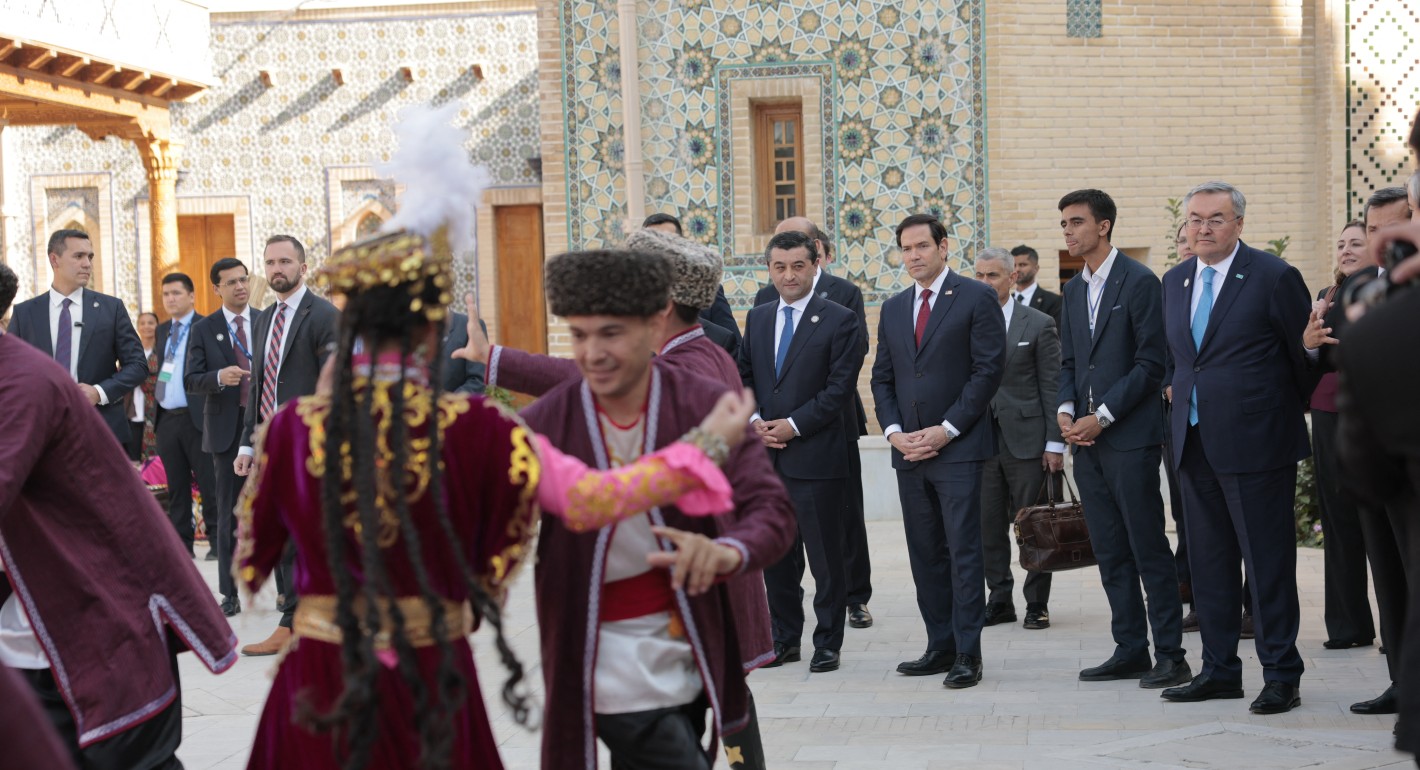
Rubio’s recent visit brought welcome attention, but more capital requires governance changes that may be a hard sell for regional governments.

Jennifer B. Murtazashvili

China has showcased its engineering prowess with small modular reactor demonstration projects. But turning these technological achievements into commercial success will be a greater challenge.

Tong Zhao

Despite public disputes over trade and immigration, the strategic partnership’s foundations remain sturdy.

Sameer Lalwani

With its public finances in shambles, the far right polling at 35 percent ahead of the 2027 presidential election, and a growing protest movement, is France’s crisis a threat to the EU’s geopolitical awakening?

Rym Momtaz, ed.