

Commentary
The EU can impose sanctions but struggles to enforce them without the United States. With Washington increasingly disinterested in backing European interests, the bloc must now fend for itself.
Nicu Popescu, Tiago Antunes
{
  "authors": [
    "Heather Grabbe",
    "Sinan Ülgen"
  ],
  "type": "legacyinthemedia",
  "centerAffiliationAll": "",
  "centers": [
    "Carnegie Endowment for International Peace",
    "Carnegie Europe",
    "Malcolm H. Kerr Carnegie Middle East Center"
  ],
  "collections": [
    "Turkey’s Transformation",
    "Brexit and UK Politics"
  ],
  "englishNewsletterAll": "",
  "nonEnglishNewsletterAll": "",
  "primaryCenter": "Carnegie Europe",
  "programAffiliation": "",
  "programs": [],
  "projects": [],
  "regions": [
    "Middle East",
    "Europe",
    "Türkiye",
    "Levant"
  ],
  "topics": []
}
Source: Getty
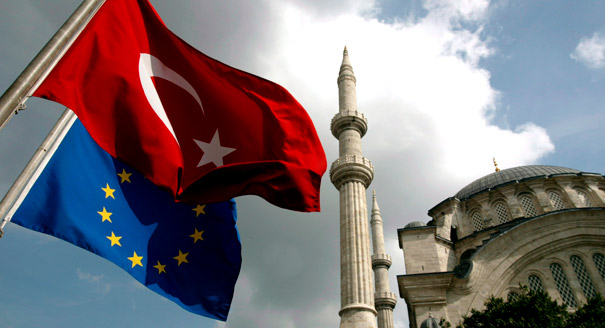
The establishment of an effective cooperative foreign policy with Turkey would get the European External Action Service off to a strong start and demonstrate that both Ankara and Brussels are committed to an ambitious agenda for the wider Middle East.
Source: European Voice

Regrettably, progress has slowed to a crawl, with more than half of the chapters blocked by the EU because of objections by Cyprus and France. The effect is to sap Turkey's motivation to work on reforms to meet EU standards in those chapters that still could be opened. Since no result is in sight from the long-running negotiations about the reunification of Cyprus, the only way out appears to be a deal in which Turkey, which still has troops in northern Cyprus, would allow Cypriot-flagged vessels to start using Turkish ports.
The political atmosphere is turning sour. To improve it, the EU and Turkey should establish a strategic dialogue to complement the accession process. There is already a good basis: Catherine Ashton, the EU's foreign policy chief, and Ahmet Davutoğlu, Turkey's foreign minister, already talk in an atmosphere of trust about sensitive issues in Afghanistan, Pakistan, Iraq, Iran, the Middle East, and the Balkans. This dialogue should now be widened to include the EU foreign ministers and deepened through regular exchanges.
In practice, this means informal but regular talks. The dialogue should be informal so that the discussions can focus on issues of substance in the region, avoiding the risk of getting hijacked by bilateral disputes and recriminations; but it should also be institutionalised to ensure that talking continues even when the going gets tough. The Turkish foreign minister should attend a special session on neighbourhood issues at the twice-yearly ‘Gymnich' informal meetings of EU foreign ministers and the advance meetings of EU political directors should include their Turkish counterpart. Once a year, the Turkish prime minister and president should join a special European Council meeting to talk about strategic questions with their EU counterparts.
In parallel, the EU should find ways to engage Turkey more fully in the EU's common security and defence policy. Already, more Turkish soldiers and officials participate in EU-led military and civilian missions than from many EU member states. As a regional power with one of the few economies enjoying vibrant growth, Turkey could contribute even more if practical measures allowed for deeper co-operation. This parallel track would also help to overcome the current deadlock in NATO-EU co-operation, which is caused in large part by the division of Cyprus and to which Ashton and Anders Fogh Rasmussen, NATO's secretary-general, have separately been mandated to seek a solution.
The greatest scepticism to this idea of a strategic dialogue will probably come from the Turkish side. “Why should we put something on the table that benefits the EU, when their side is blocking so many chapters?” is a view commonly heard in Ankara. But strategic engagement with the EU is in Turkey's interest as well as the EU's. With the EU's new European External Action Service (EEAS) now in operation, the EU should become a more united and coherent presence in the world, wielding more effectively its enormous economic clout and growing security presence.
What we are proposing is an arrangement never tried before. It is not a replica of the strategic partnerships that the EU is developing with third countries. Nor is it a trialogue involving other countries; that would risk shunting Turkey permanently off the membership track.
A strategic dialogue need not be in competition with the accession process. Instead, positive co-operation on key issues in the Middle East would remind European policymakers of Turkey's value. Then, when the political atmosphere improves, the negotiations could resume with greater confidence on both sides. In the meantime, many important regional issues would already have been resolved, allowing for a rapid conclusion of the chapters covering external relations and foreign, security and defence policy.
The establishment of an effective foreign policy with Turkey would get the EEAS off to a flying start, and show that both Ankara and Brussels are committed to an ambitious agenda for the wider Middle East.
Heather Grabbe
Grabbe is director of the Open Society European Policy Institute.

Senior Fellow, Carnegie Europe
Sinan Ülgen is a senior fellow at Carnegie Europe in Brussels, where his research focuses on Turkish foreign policy, transatlantic relations, international trade, economic security, and digital policy.
Carnegie does not take institutional positions on public policy issues; the views represented herein are those of the author(s) and do not necessarily reflect the views of Carnegie, its staff, or its trustees.

The EU can impose sanctions but struggles to enforce them without the United States. With Washington increasingly disinterested in backing European interests, the bloc must now fend for itself.


Nicu Popescu, Tiago Antunes

Russia is testing the waters of NATO’s mutual defense clause. What do strikes in Romanian territorial waters mean for the alliance’s posture toward Moscow?

Dimitar Bechev
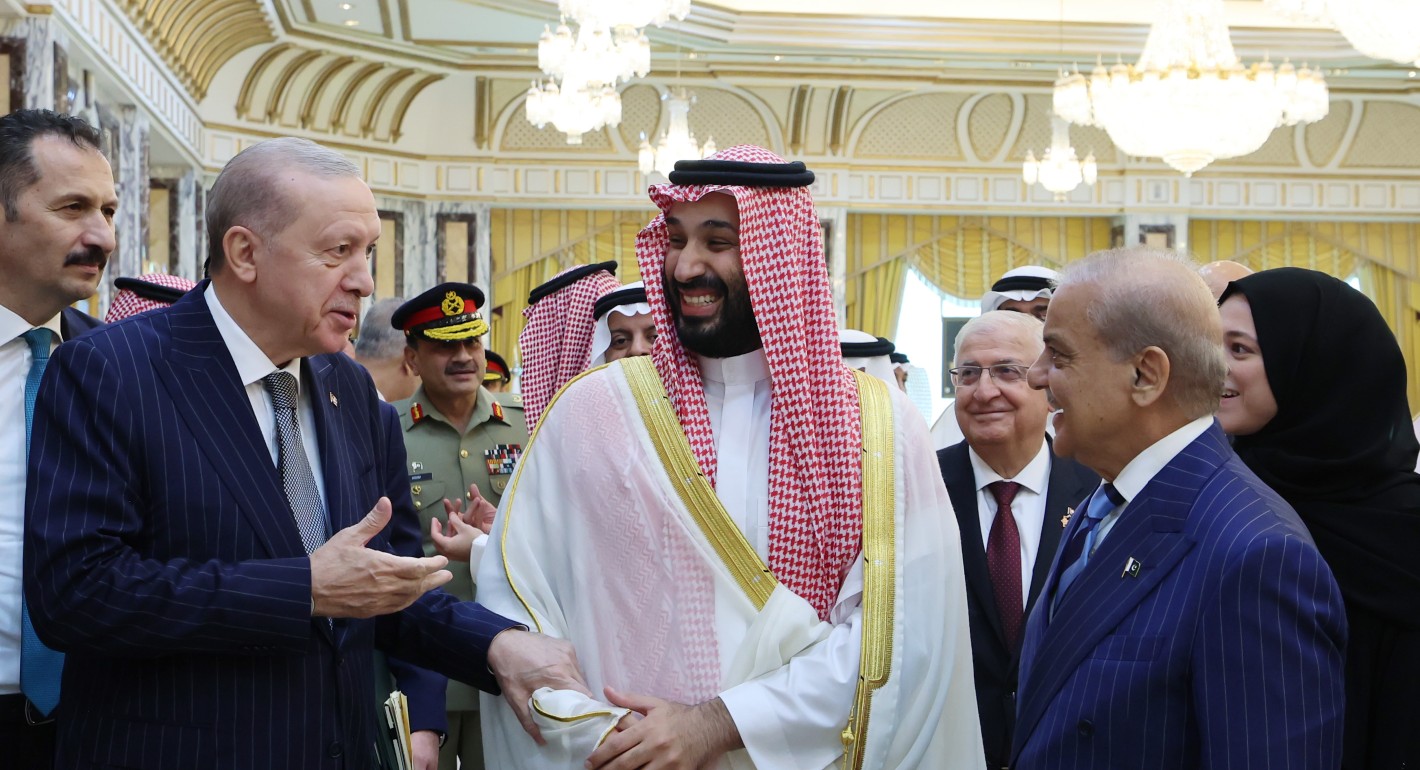
Why Pakistan, Saudi Arabia, and Turkey are joining forces on regional security.


Alper Coşkun, Amr Hamzawy

The truth of the strategic situation is that Europe and Russia are extremely unlikely to be able to “turn the page” on their confrontation within the next two decades.
Arkady Moshes
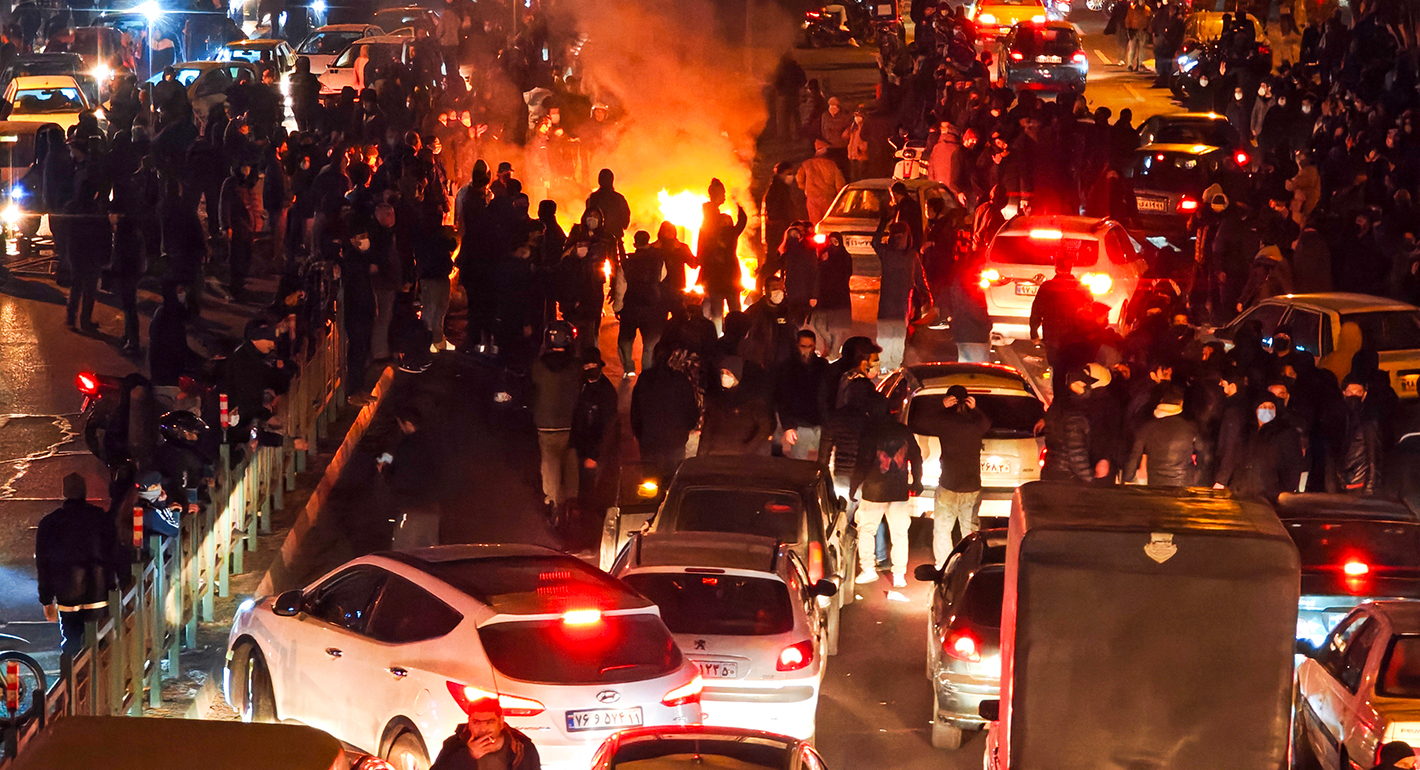
Protests in Iran follow a similar pattern: Economic grievances turn into political protests that spread nationwide. But increased state repression has begun to shift the arrangement.

Eric Lob