• Research
  • Emissary
  • About
  • Experts
Carnegie Global logoCarnegie lettermark logo
DemocracyIran
  • Donate
{
  "authors": [
    "Marwan Muasher"
  ],
  "type": "legacyinthemedia",
  "centerAffiliationAll": "dc",
  "centers": [
    "Carnegie Endowment for International Peace"
  ],
  "collections": [
    "Arab Awakening"
  ],
  "englishNewsletterAll": "menaTransitions",
  "nonEnglishNewsletterAll": "",
  "primaryCenter": "Carnegie Endowment for International Peace",
  "programAffiliation": "MEP",
  "programs": [
    "Middle East"
  ],
  "projects": [],
  "regions": [
    "Middle East",
    "North Africa"
  ],
  "topics": [
    "Political Reform"
  ]
}
Source: Getty

In The Media

The Arab Revolution

The unrest and turmoil spreading across the Arab world has already changed the face of the Middle East and North Africa. Its impact will be measured best in decades, rather than months or years.

Link Copied
By Marwan Muasher
Published on May 10, 2011
Program mobile hero image

Program

Middle East

The Middle East Program in Washington combines in-depth regional knowledge with incisive comparative analysis to provide deeply informed recommendations. With expertise in the Gulf, North Africa, Iran, and Israel/Palestine, we examine crosscutting themes of political, economic, and social change in both English and Arabic.

Learn More

Source: BBC America

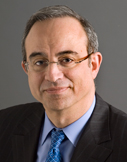
As unrest and turmoil spread across the Arab world, the response of governments and citizens has differed depending on the conditions that shape the political, economic, and social realities in each country, explained Marwan Muasher on BBC America. In countries like Tunisia with relatively homogenous populations, there have been relatively peaceful movements for change. However in countries like Bahrain and Syria, with minority ruling regimes, Muasher explained that the unrest has quickly become violent and any transition will be met with a sustained period of conflict. “There is no question that this is a process that has started and has only started,” Muasher asserted. “I think we will measure what is going on in terms of decades rather than months and years.”

Initially, “the US pursued a policy of prioritizing stability over democracy and reform and it ended up with neither,” Muasher said. The Obama administration is now struggling to figure out how to react on a country by country basis and how it can support real reform that leads to a true separation of powers and a system of checks and balances.  Muasher added that the killing of Bin Laden will further discourage extremism. The protests across the Arab world have shown the people that they can affect change more efficaciously without violence.

 

About the Author

Marwan Muasher

Vice President for Studies

Marwan Muasher is vice president for studies at Carnegie, where he oversees research in Washington and Beirut on the Middle East. Muasher served as foreign minister (2002–2004) and deputy prime minister (2004–2005) of Jordan, and his career has spanned the areas of diplomacy, development, civil society, and communications.

    Recent Work

  • Commentary
    Bombing Campaigns Do Not Bring About Democracy. Nor Does Regime Change Without a Plan.

      Marwan Muasher

  • Other
    Unpacking Trump’s National Security Strategy
      • Cecily Brewer
      • +18

      James M. Acton, Saskia Brechenmacher, Cecily Brewer, …

Marwan Muasher
Vice President for Studies
Marwan Muasher
Political ReformMiddle EastNorth Africa

Carnegie does not take institutional positions on public policy issues; the views represented herein are those of the author(s) and do not necessarily reflect the views of Carnegie, its staff, or its trustees.
More Work from Carnegie Endowment for International Peace

  • Commentary
    Strategic Europe
    The EU Needs a Third Way in Iran

    European reactions to the war in Iran have lost sight of wider political dynamics. The EU must position itself for the next phase of the crisis without giving up on its principles.

      Richard Youngs
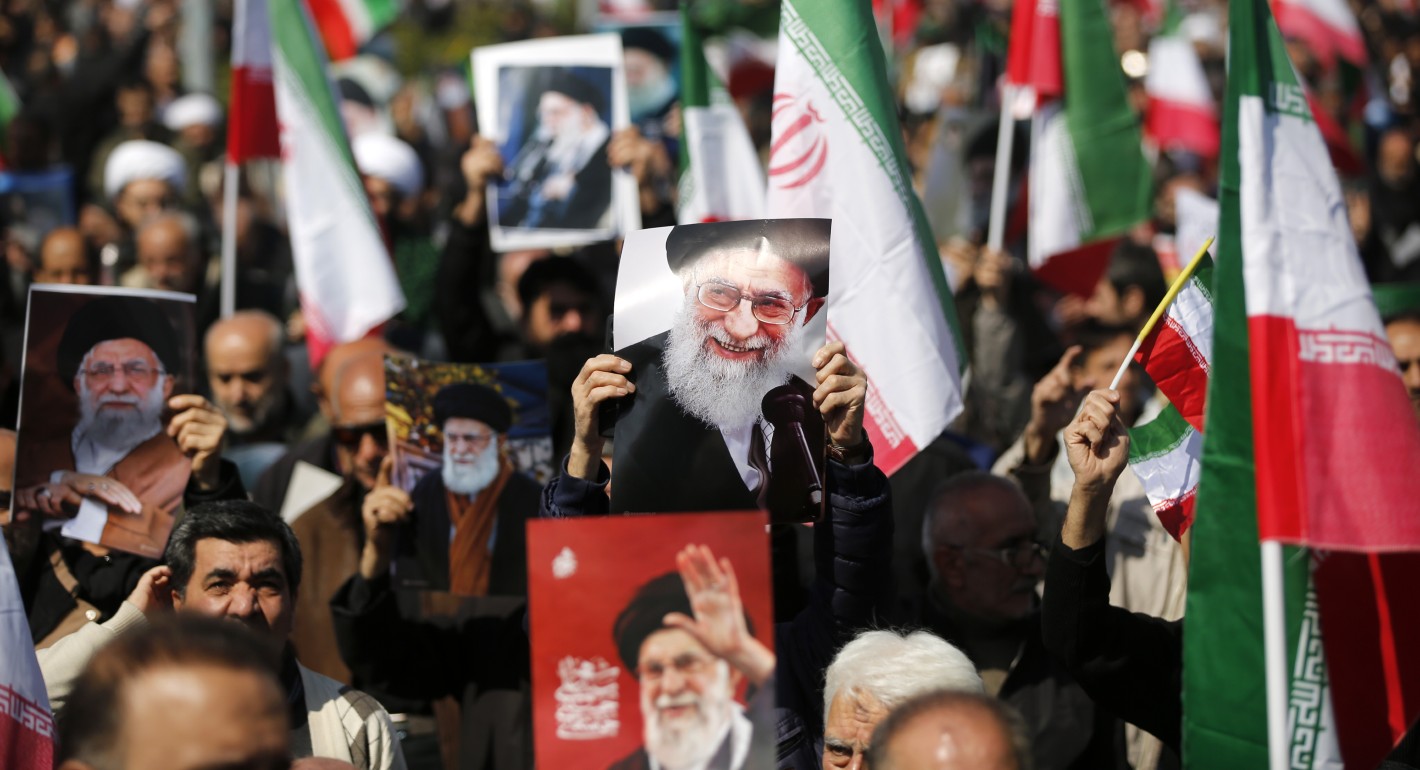
  • Crowds holding Iranian flags and photos of the late Khamenei
    Commentary
    Emissary
    Who Will Be Iran’s Next Supreme Leader?

    If the succession process can be carried out as Khamenei intended, it will likely bring a hardliner into power.

      • Eric Lob

      Eric Lob

  • people watching smoke rising at sunrise from rooftops
    Commentary
    Emissary
    Bombing Campaigns Do Not Bring About Democracy. Nor Does Regime Change Without a Plan.

    Just look at Iraq in 1991.

      Marwan Muasher
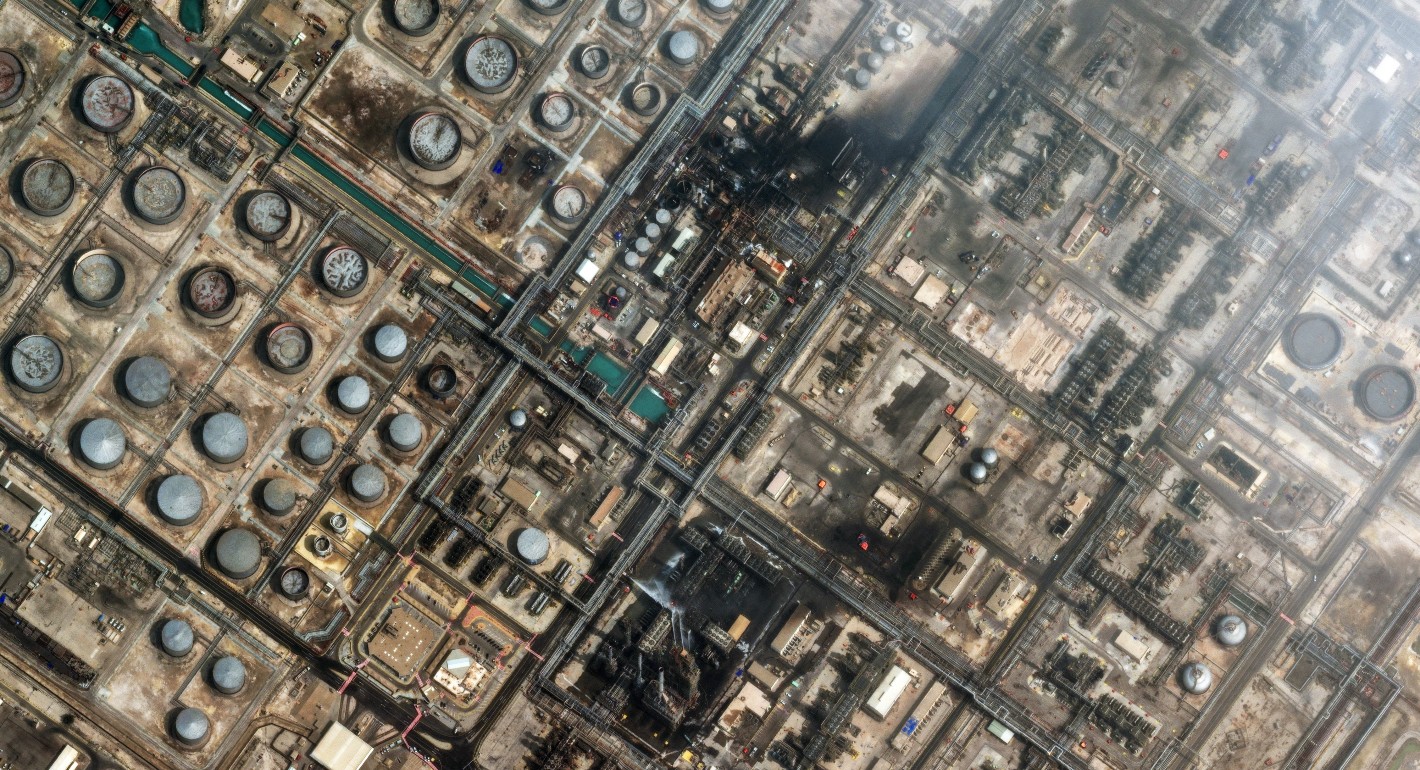
  • Satellite of a damaged oil refinery
    Commentary
    Emissary
    Iran Is Pushing Its Neighbors Toward the United States

    Tehran’s attacks are reshaping the security situation in the Middle East—and forcing the region’s clock to tick backward once again.

      Amr Hamzawy
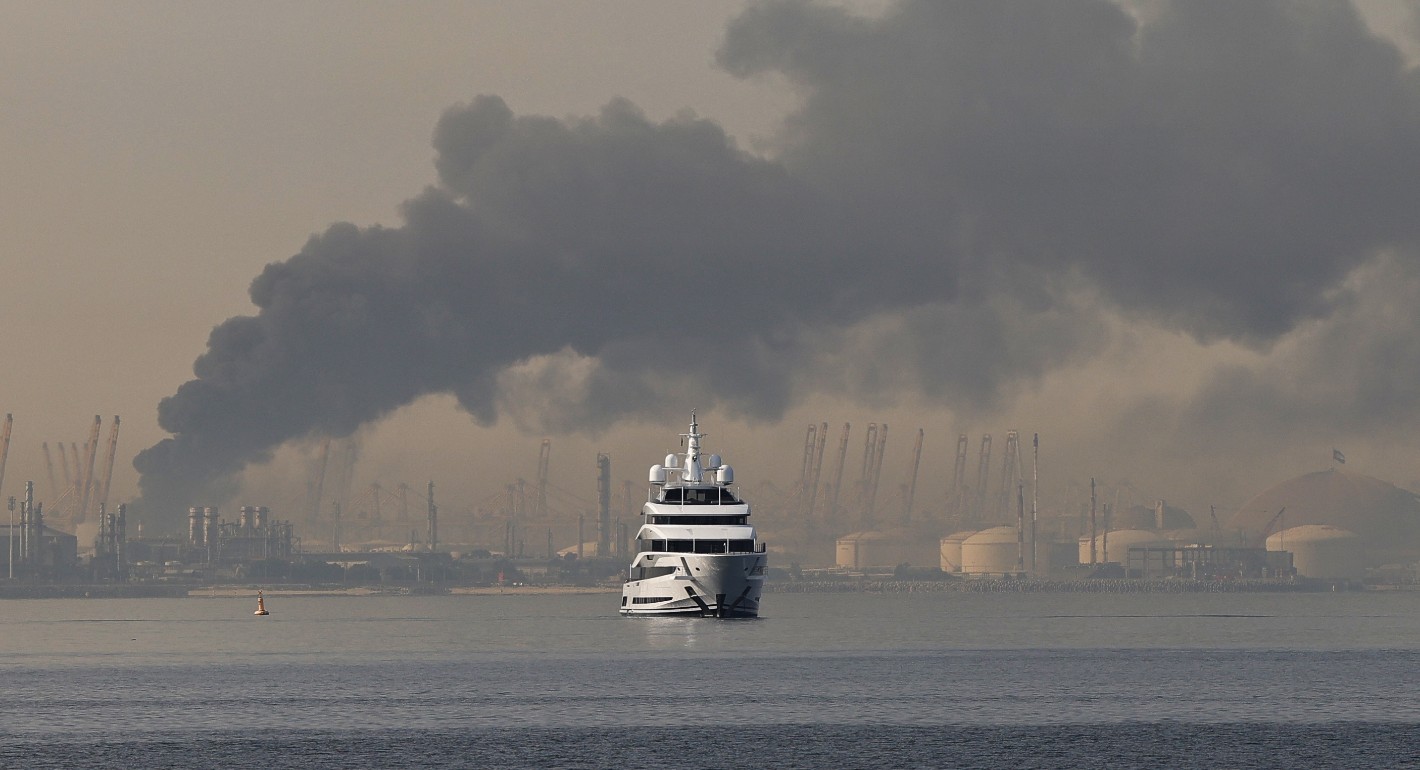
  • A boat, with smoke in the background
    Commentary
    Emissary
    The Gulf Monarchies Are Caught Between Iran’s Desperation and the U.S.’s Recklessness

    Only collective security can protect fragile economic models.

      • Andrew Leber

      Andrew Leber

Get more news and analysis from
Carnegie Endowment for International Peace
Carnegie global logo, stacked
1779 Massachusetts Avenue NWWashington, DC, 20036-2103Phone: 202 483 7600Fax: 202 483 1840
  • Research
  • Emissary
  • About
  • Experts
  • Donate
  • Programs
  • Events
  • Blogs
  • Podcasts
  • Contact
  • Annual Reports
  • Careers
  • Privacy
  • For Media
  • Government Resources
Get more news and analysis from
Carnegie Endowment for International Peace
© 2026 Carnegie Endowment for International Peace. All rights reserved.