

Commentary
Yukon Huang, Isaac B. Kardon, Matt Sheehan
{
  "authors": [
    "Yukon Huang"
  ],
  "type": "legacyinthemedia",
  "centerAffiliationAll": "dc",
  "centers": [
    "Carnegie Endowment for International Peace",
    "Carnegie China"
  ],
  "collections": [],
  "englishNewsletterAll": "asia",
  "nonEnglishNewsletterAll": "",
  "primaryCenter": "Carnegie China",
  "programAffiliation": "AP",
  "programs": [
    "Asia"
  ],
  "projects": [],
  "regions": [
    "East Asia",
    "China"
  ],
  "topics": [
    "Economy",
    "Trade"
  ]
}
Source: Getty
Despite China's low consumption and high investment relative to GDP, key indicators suggest that its growth is not actually unbalanced.
Source: Financial Times

Compared to other countries China’s consumption to gross domestic product ratio of 35 per cent is exceptionally low, suggesting consumption is not actually being repressed. China’s investment to GDP ratio of more than 45 per cent, meanwhile, is exceptionally high. This leads many to propose a standard solution to “rebalancing”: China must increase consumption and dampen investment.
The problem is this view is static. Growth, however, is inherently unbalanced. What matters are not indicators pointing to imbalances, but the direction of change. It is true that China’s private consumption to GDP ratio has declined by 15 percentage points over the past 15 years. But this is a pattern that mirrors many east Asian economies, and also that of the US during its own industrialisation in the 20th century. Despite all the admonitions, this ratio will not begin to increase until household savings rates decline or labour’s share of income increases.
Savings rates will also not fall anytime soon, because there is as yet no credible social welfare system. Households are currently saving more because they have doubts about the viability of pensions, while social security deductions are seen as a tax, encouraging more saving rather than less. Growing aspirations for home ownership also ratchet up savings. All of these factors contribute to a prolonged upturn in personal savings rates.
Increasing labour’s share of income is not a viable solution at this time either. Paradoxically, as more workers move out of agriculture and into industry – which is obviously a good thing – labour’s share of income will fall. Labour’s share of income in agriculture is almost 90 per cent, but in industry it’s only 50 per cent. Workers enjoy higher earnings and productivity increases, but the percentage of income that goes directly to workers actually drops.
Contrary to expectations, labour’s share of income within industry is also declining, because of the expanding role of the private sector relative to the state – but this is to be welcomed too. In the end, the declining share of labour – which shapes the consumption pattern – is a consequence of China moving to a more efficient growth path. It is not a problem.
Behind today’s figures and more talk of unbalanced growth, the truth is that China’s economy will change – in time. As the availability of rural labour falls and the relative shares of state and private enterprises stabilise, the ratio of consumption to GDP will begin to increase – just as we have seen in other higher income countries. But China is still several years away from this.
The perception that China has invested too much is also misleading. Actually, China’s capital stock relative to GDP is lower than other comparable east Asian countries. Moreover, much of the surge in investment over the past decade is due to housing construction, where the country is still making up for the shortfalls from the Mao era.
In all this we must also remember that directing resources away from investment to consumption may be neither feasible nor desirable. China’s investment-led growth model, by generating faster growth than otherwise would have been possible, has in fact arguably led to sustainably higher – not lower – consumption levels. The country’s yearly 8-9 per cent growth in consumption, and 10 per cent in real wages, puts China at the top of its peers.
The bottom line is that China’s growth is not unbalanced. Even so its trade surplus continues to be a major irritant with the west. In principle the problem is not hard to solve, but the solution runs counter to conventional wisdom. China’s trade surplus is now running around 2-3 per cent of GDP, so if consumption, investment and government expenditures all rose less than one percentage point of GDP each, the problem would evaporate.
But in which order should this happen? The best near-term solution rests not with higher consumption but with public expenditures, paid for by increasing dividend payments from state enterprises to the government. Since pre-tax profits of state enterprises have surged to more than 7 per cent of GDP, channelling just a fraction of these surpluses into public social services would make a big difference.
If China acted in this way, its already high investment rates may not need to decline in the short term, but with the right financing vehicles there needs to be more spending on social housing and less high-end speculative construction. Together with continued support for social infrastructure, these actions would be enough to eliminate China’s trade surplus sooner rather than later. This would also buy the necessary time to improve welfare and consumer credit programmes so that households are eventually inclined to save less and spend more.
Such actions would prevent trade surpluses from re-emerging when the pace of investment is likely to fall by the second half of this decade. They can be achieved without compromising China’s growth or restraining global demand, allowing the west’s recovery so it can continue coming out of the global economic slowdown. And perhaps most importantly, they would allow China to dispel the myth of its unbalanced economy once and for all.

Senior Fellow, Asia Program
Huang is a senior fellow in the Carnegie Asia Program where his research focuses on China’s economy and its regional and global impact.
Recent Work


Yukon Huang, Isaac B. Kardon, Matt Sheehan
Yukon Huang, Genevieve Slosberg
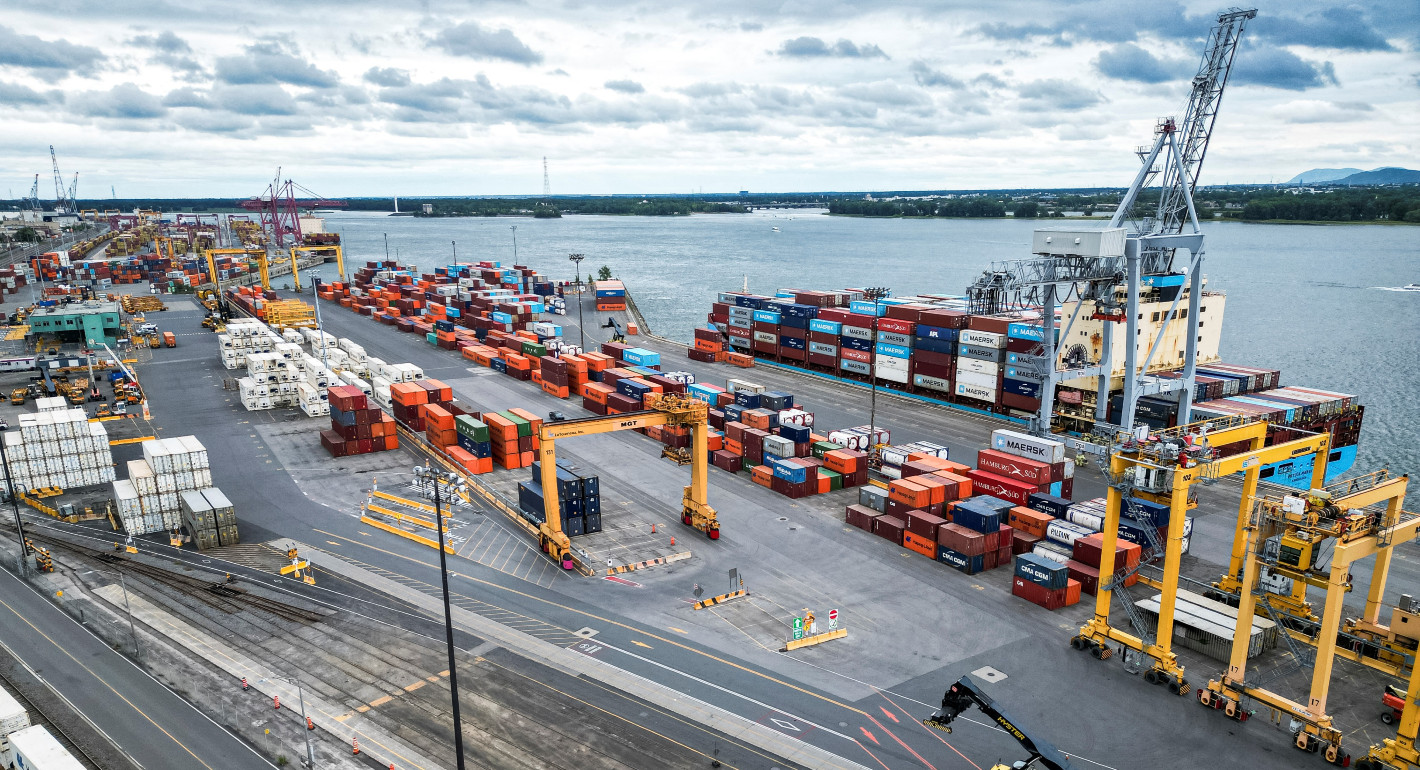
U.S. trading partners in Asia are closely watching the dispute for signs of how it may affect their own interests.

Barbara Weisel
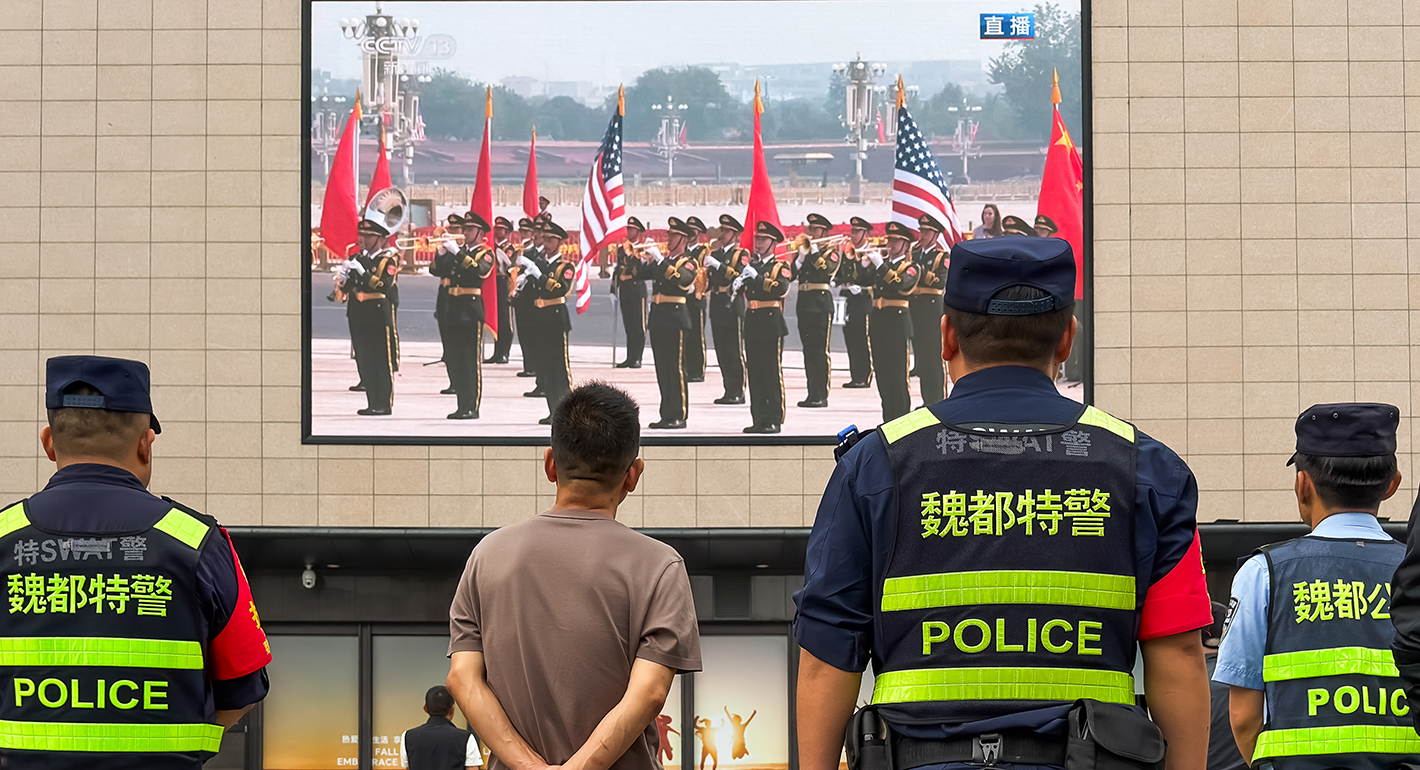
Chinese strategists are once again debating whether American power is declining and whether U.S. hegemony is experiencing irreversible decay.
Wu Xinbo

Congress needs to step up and make EXIM a low-carbon financing powerhouse.

Jesse Young

With the growth in points of friction between the great powers, organizations like the SCO will continue to play a role in the strategic adaptation of the smaller powers caught between them.

Temur Umarov

Amid celebrations of bilateral ties was a deeper focus on stability in the Middle East.

Amr Hamzawy