

Paper
George Perkovich
{
  "authors": [
    "George Perkovich"
  ],
  "type": "legacyinthemedia",
  "centerAffiliationAll": "dc",
  "centers": [
    "Carnegie Endowment for International Peace",
    "Carnegie Russia Eurasia Center"
  ],
  "collections": [],
  "englishNewsletterAll": "ctw",
  "nonEnglishNewsletterAll": "",
  "primaryCenter": "Carnegie Endowment for International Peace",
  "programAffiliation": "NPP",
  "programs": [
    "Nuclear Policy"
  ],
  "projects": [
    "Eurasia in Transition"
  ],
  "regions": [
    "Middle East",
    "Iran",
    "South Asia",
    "Pakistan"
  ],
  "topics": [
    "Nuclear Policy"
  ]
}
Source: Getty
The realization that both the United States and the Soviet Union shared an interest in preventing the proliferation of nuclear weapons led to a 1968 agreement that existing nuclear weapons states would work toward nuclear zero if other states agreed not to develop nuclear weapons.
Source: BloggingHeads TV
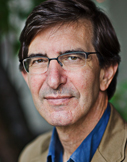
Speaking on Bloggingheads, Carnegie’s George Perkovich explained that during the Cold War, the United States and the Soviet Union realized that they had a shared interest in keeping other nations from acquiring nuclear weapons. As a result, they began a series of negotiations that culminated in 1968 with the creation of a framework to rid the world of nuclear weapons. The basic premise of the agreement was that the five countries that currently had nuclear weapons agreed to eventually get rid of their weapons if other nations around the world agreed not to try to acquire nuclear weapons. In return for this pledge, Perkovich explained, the nuclear weapons states promised aid in the development of atomic energy.

Japan Chair for a World Without Nuclear Weapons, Senior Fellow
George Perkovich is the Japan Chair for a World Without Nuclear Weapons and a senior fellow in the Carnegie Endowment for International Peace’s Nuclear Policy Program. He works primarily on nuclear deterrence, nonproliferation, and disarmament issues, and is leading a study on nuclear signaling in the 21st century.
Recent Work
George Perkovich
George Perkovich
Carnegie does not take institutional positions on public policy issues; the views represented herein are those of the author(s) and do not necessarily reflect the views of Carnegie, its staff, or its trustees.

The conflict has sent economic and political shock waves through a country with no representation at the negotiating table—and Kenya is not alone.
Georgia Schaefer-Brown, Jane Munga
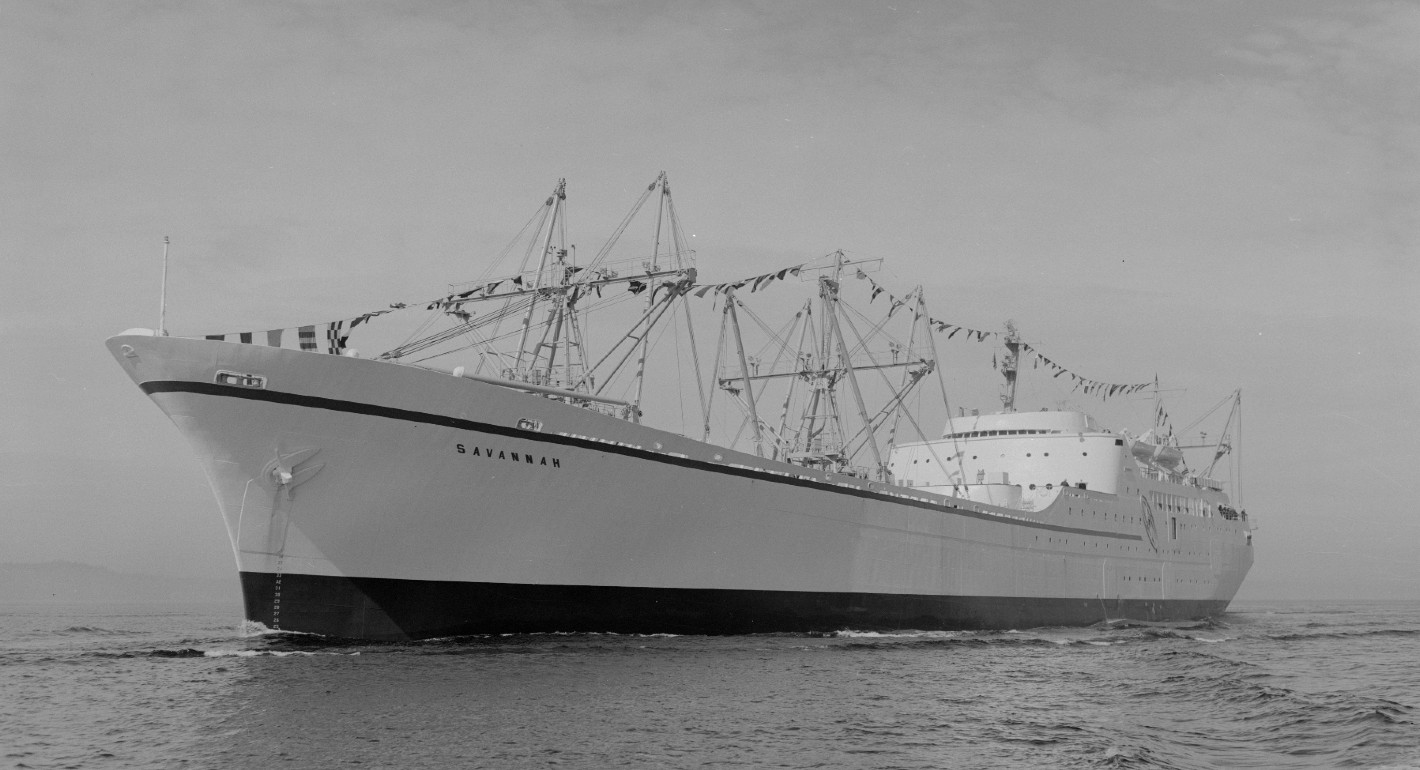
Nuclear and maritime communities face a long and challenging journey to deploy commercial nuclear applications at sea.


Jamie Kwong, Toby Dalton

A look at how public opinion influences the credibility of coercive nuclear threats,and how it enables and constrains strategies of nuclear coercion.

Lauren Sukin, Samuel Seitz
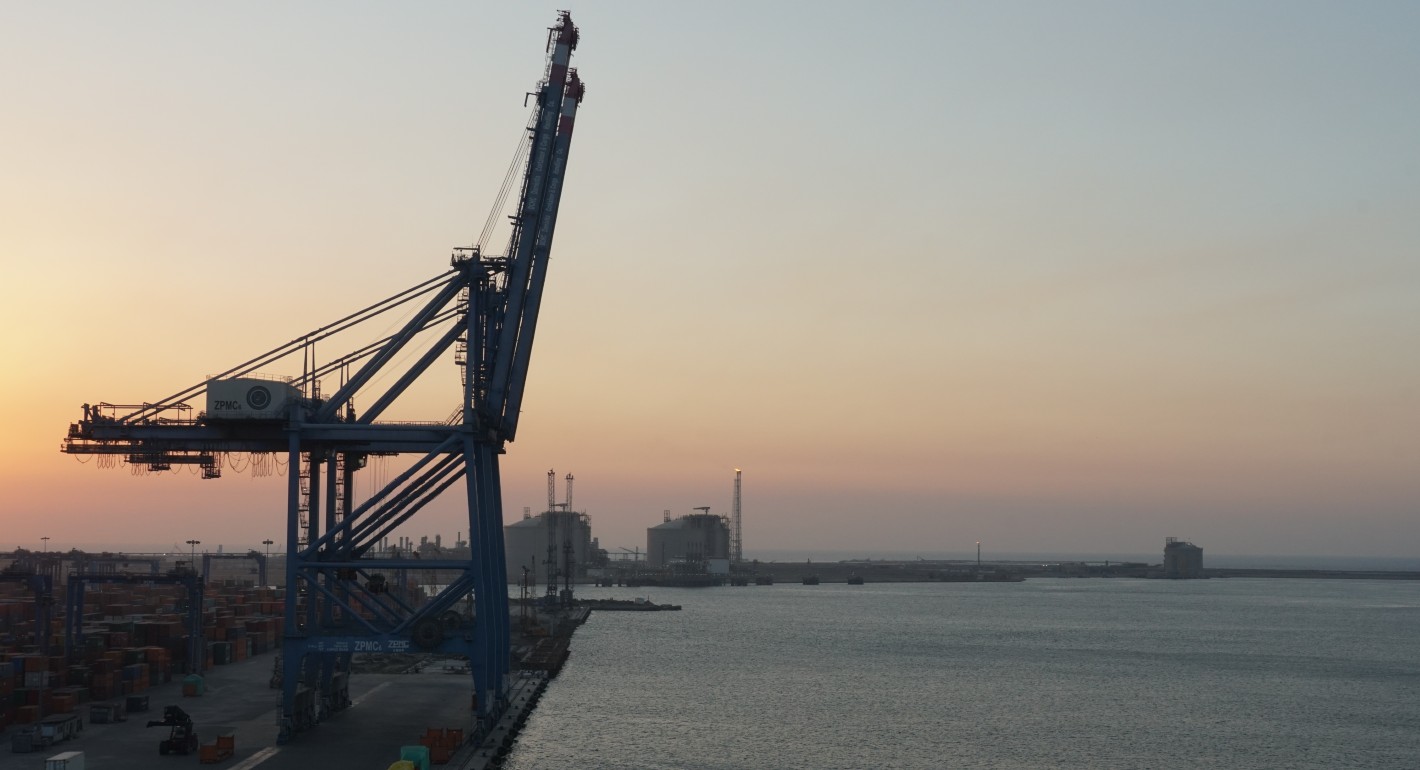
The targeting of Damietta Port appears to be more than a mere security message.

Amr Hamzawy
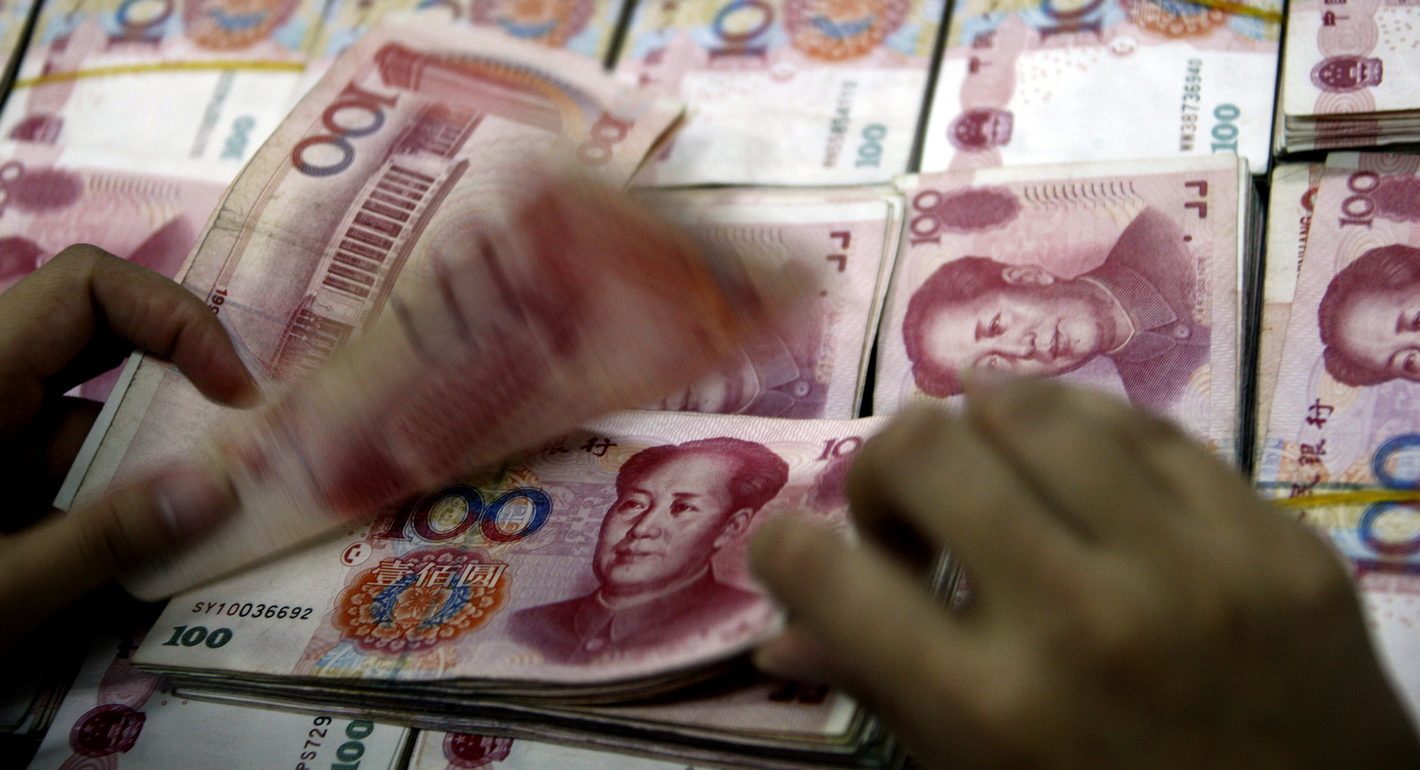
Is the Gulf moving beyond the dollar? This article examines how China is expanding the renminbi's role across Gulf markets, what that means for regional finance, and why the future of global currencies is more complex than the de-dollarization debate suggests.
Andrew Bonney