• Research
  • Emissary
  • About
  • Experts
Carnegie Global logoCarnegie lettermark logo
Democracy
  • Donate
{
  "authors": [
    "Petr Topychkanov"
  ],
  "type": "legacyinthemedia",
  "centerAffiliationAll": "",
  "centers": [
    "Carnegie Endowment for International Peace",
    "Carnegie Russia Eurasia Center"
  ],
  "collections": [],
  "englishNewsletterAll": "",
  "nonEnglishNewsletterAll": "",
  "primaryCenter": "Carnegie Russia Eurasia Center",
  "programAffiliation": "",
  "programs": [],
  "projects": [
    "Eurasia in Transition"
  ],
  "regions": [],
  "topics": []
}

Source: Getty

In The Media
Carnegie Russia Eurasia Center

US-Pakistan: Reloaded

The United States needs regional assistance, particular from Pakistan, to resolve the problems and challenges facing Afghanistan.

Link Copied
By Petr Topychkanov
Published on Jul 11, 2011
Project hero Image

Project

Eurasia in Transition

Learn More

Source: Voice of Russia

First of all we can receive different signals from the United States and from Pakistan about their relations; we could hear that the United States is ready to stop financial assistance to Pakistan, first of all to military agencies of Pakistan, but at the same time the United States is not ready to stop deep cooperation with Pakistan on security issues.

It is impossible to believe that the United States can come to very risky policy toward Pakistan limiting cooperation, because as a result of this change the United States will lose control of the situation in this country, very important for the solution of the problem of Afghanistan and for the stability in the region.

We can see the game between the United States and Pakistan, and every side wants more benefits from this game and wants to use this game not only for developing relations with its partner, but also for benefits in the domestic policy. Now it is not a secret that the United States uses everything for drone attacks on the territory of Pakistan.

The United States cannot avoid development of relations, because it is impossible to solve the problem of Afghanistan without assistance from the Pakistani side.
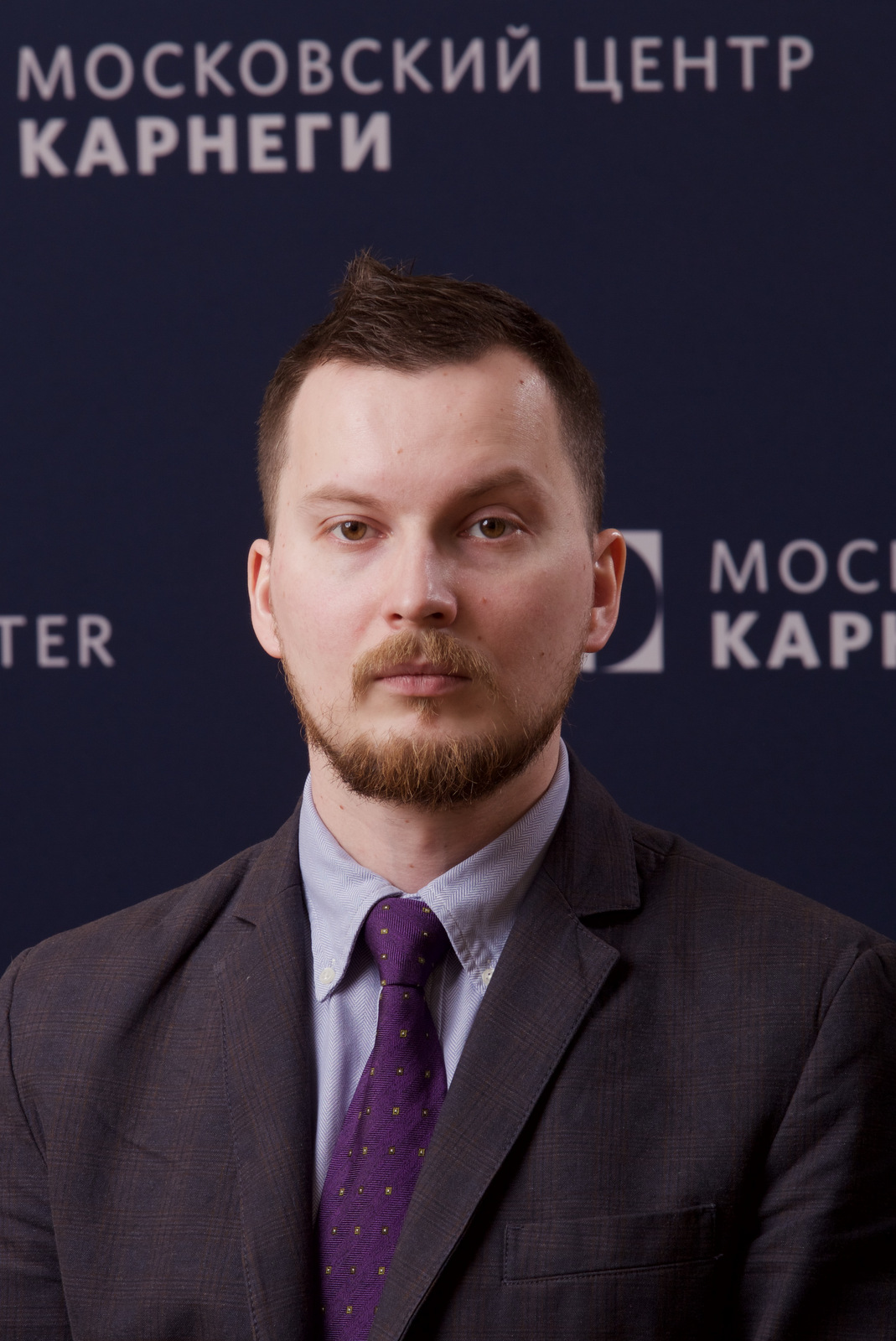
Petr Topychkanov
Former Fellow, Nonproliferation Program, Moscow Center
Petr Topychkanov

Carnegie does not take institutional positions on public policy issues; the views represented herein are those of the author(s) and do not necessarily reflect the views of Carnegie, its staff, or its trustees.

More Work from Carnegie Endowment for International Peace

  • Hochel stading behind a dais, with a hand raised
    Commentary
    Emissary
    With the RAISE Act, New York Aligns With California on Frontier AI Laws

    The bills differ in minor but meaningful ways, but their overwhelming convergence is key.

      Alasdair Phillips-Robins, Scott Singer

  • Commentary
    Strategic Europe
    Europolis, Where Europe Ends

    A prophetic Romanian novel about a town at the mouth of the Danube carries a warning: Europe decays when it stops looking outwards. In a world of increasing insularity, the EU should heed its warning.

      Thomas de Waal

  • Commentary
    Carnegie Politika
    Japan’s “Militarist Turn” and What It Means for Russia

    For a real example of political forces engaged in the militarization of society, the Russian leadership might consider looking closer to home.

      James D.J. Brown

  • Commentary
    Carnegie Politika
    Why Is Ukraine Extending a Hand to the Belarusian Opposition-in-Exile?

    The risk posed by Lukashenko today looks very different to how it did in 2022. The threat of the Belarusian army entering the war appears increasingly illusory, while Ukraine’s ability to attack any point in Belarus with drones gives Kyiv confidence.

      Artyom Shraibman

  • Wide shot of Trump and Modi, with Trump pointing
    Commentary
    Emissary
    The Trump-Modi Trade Deal Won’t Magically Restore U.S.-India Trust

    Washington and New Delhi should be proud of their putative deal. But international politics isn’t the domain of unicorns and leprechauns, and collateral damage can’t simply be wished away.

      Evan A. Feigenbaum

Get more news and analysis from
Carnegie Endowment for International Peace
Carnegie global logo, stacked
1779 Massachusetts Avenue NWWashington, DC, 20036-2103Phone: 202 483 7600Fax: 202 483 1840
  • Research
  • Emissary
  • About
  • Experts
  • Donate
  • Programs
  • Events
  • Blogs
  • Podcasts
  • Contact
  • Annual Reports
  • Careers
  • Privacy
  • For Media
  • Government Resources
Get more news and analysis from
Carnegie Endowment for International Peace
© 2026 Carnegie Endowment for International Peace. All rights reserved.