

Q&A
Stephen Tankel
{
  "authors": [
    "Stephen Tankel"
  ],
  "type": "legacyinthemedia",
  "centerAffiliationAll": "dc",
  "centers": [
    "Carnegie Endowment for International Peace"
  ],
  "collections": [],
  "englishNewsletterAll": "ctw",
  "nonEnglishNewsletterAll": "",
  "primaryCenter": "Carnegie Endowment for International Peace",
  "programAffiliation": "SAP",
  "programs": [
    "South Asia"
  ],
  "projects": [],
  "regions": [
    "South Asia",
    "Afghanistan",
    "Pakistan"
  ],
  "topics": [
    "Security",
    "Military"
  ]
}
Source: Getty
While Pakistan may be using the Afghan insurgency in order to improve its own strategic position in Afghanistan, it remains unclear how much direct control it exerts over insurgent groups like the Haqqani network.
Source: C-SPAN's Washington Journal
Speaking on C-SPAN’s Washington Journal, Carnegie’s Stephen Tankel examined the complicated relationship between the Haqqani network, Pakistan’s intelligence service (ISI), and Pakistan's overall strategy in Afghanistan. He argued that the Haqqani network is the most lethal insurgent group within Afghanistan, a status it maintains in part through its reliance on Pakistan as a safe haven. He noted, however, that U.S. Admiral Mike Mullen's assertion that the Haqqani network was a "veritable arm" of the ISI is subject to some doubt, as the exact level of Pakistan’s control of the group is unclear. Ultimately, however, Tankel argued that there is little doubt that Pakistan has used the Taliban in order to improve its own strategic position in Afghanistan.
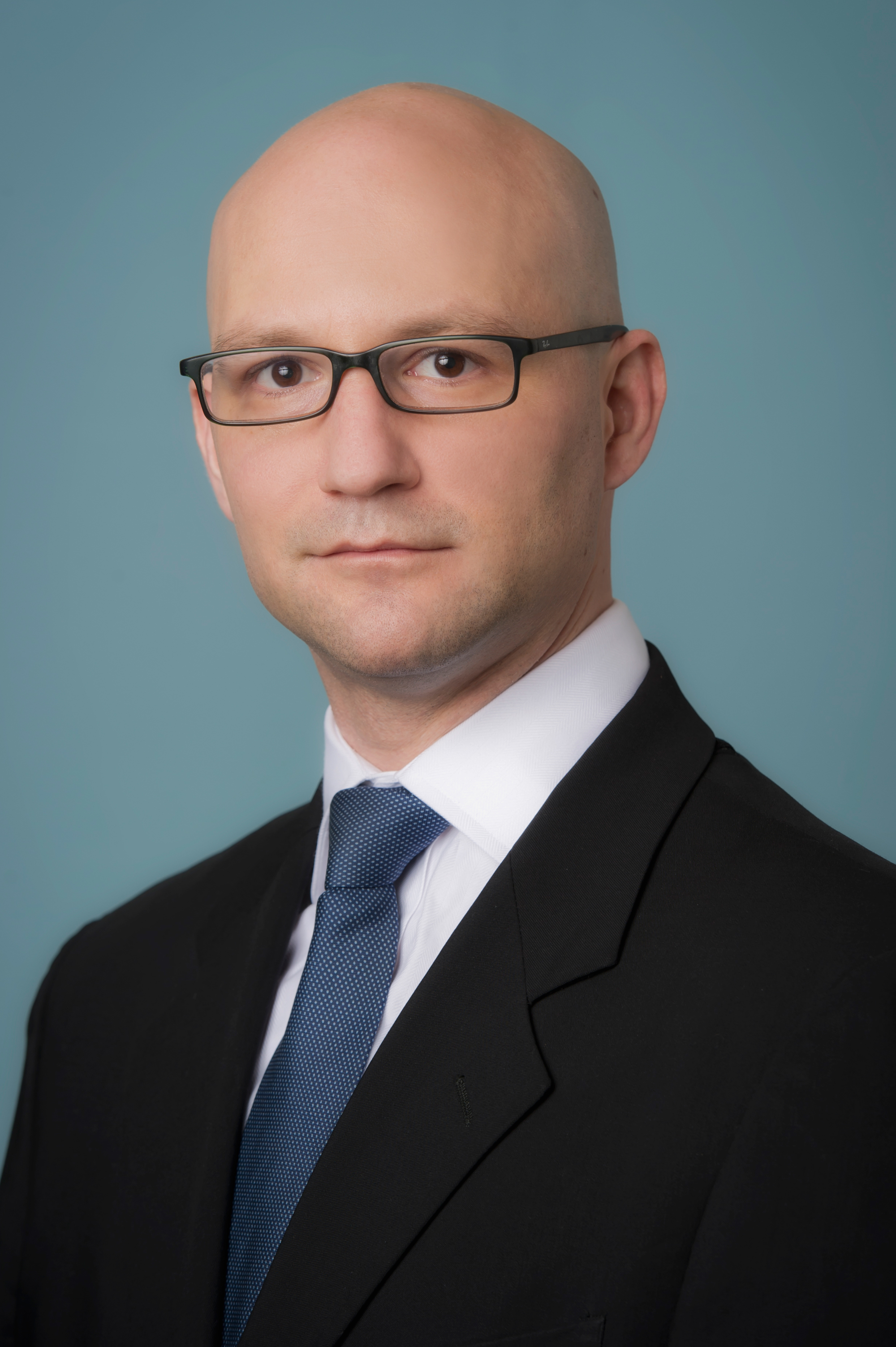
Former Nonresident Scholar, South Asia Program
Tankel was a nonresident scholar at the Carnegie Endowment, where his research focuses on insurgency, terrorism, and the evolution of nonstate armed groups.
Recent Work
Stephen Tankel
Stephen Tankel
Carnegie does not take institutional positions on public policy issues; the views represented herein are those of the author(s) and do not necessarily reflect the views of Carnegie, its staff, or its trustees.

Russian strikes are weakening the economy sustaining Ukraine’s war effort. Closing the growing funding gap will require more European support and politically contentious reforms in Kyiv.

Balázs Jarábik

Europe is facing rising populism internally as well as external pressures from Russia, China, Turkey, and the United States.

Dimitar Bechev
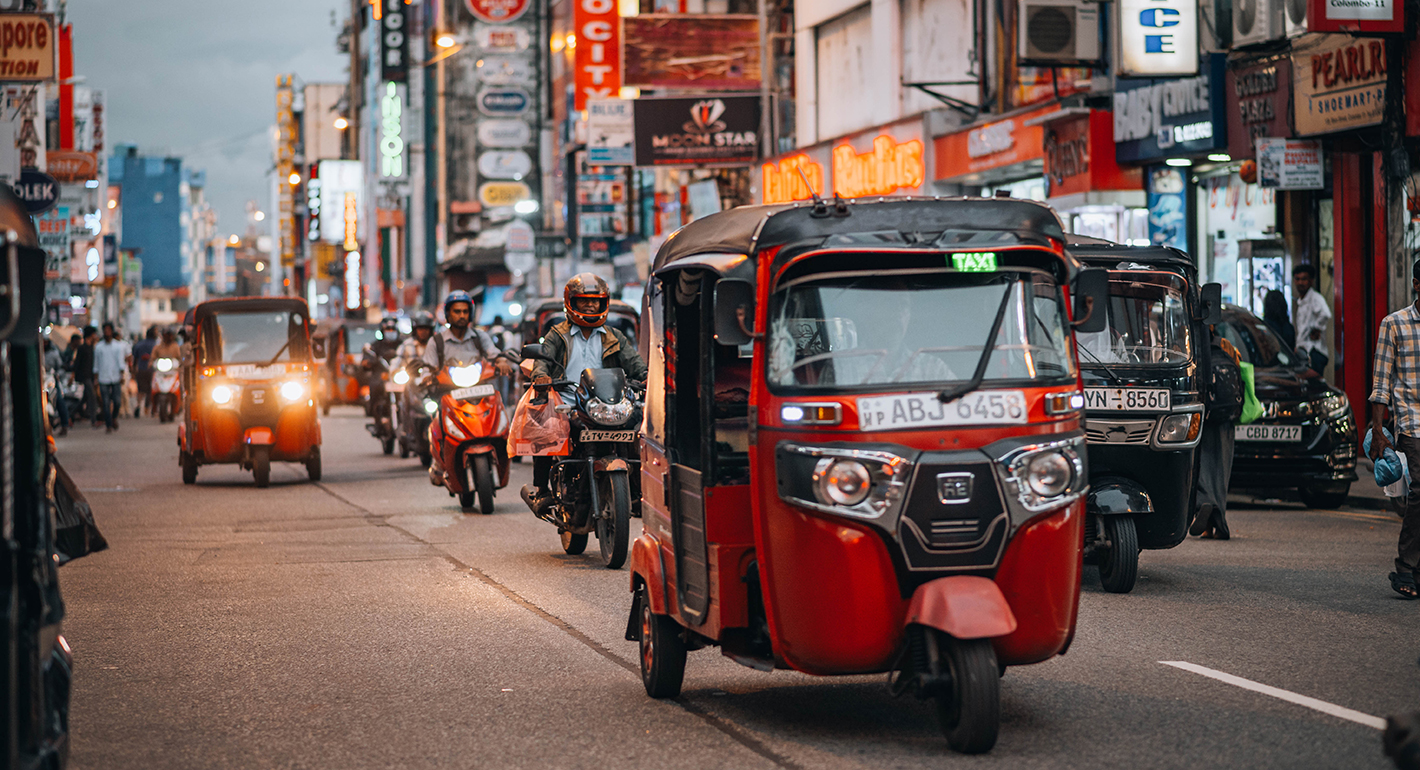
Economic recovery has brought Sri Lanka a modicum of stability, but domestic strains and great-power rivalry could test how long it lasts.
Avinash Paliwal

The Horn of Africa countries are among those facing a new security calculus.


Andrew Leber, Lesley Anne Warner

The European far right might fail to steer EU policy in the direction Russia wants, but they will create enough chaos inside Europe to benefit the Kremlin.
Dimitar Bechev