


Q&A
Suzanne Maloney, Aaron David Miller, Karim Sadjadpour
{
  "authors": [
    "Karim Sadjadpour"
  ],
  "type": "legacyinthemedia",
  "centerAffiliationAll": "dc",
  "centers": [
    "Carnegie Endowment for International Peace",
    "Malcolm H. Kerr Carnegie Middle East Center"
  ],
  "collections": [],
  "englishNewsletterAll": "menaTransitions",
  "nonEnglishNewsletterAll": "",
  "primaryCenter": "Carnegie Endowment for International Peace",
  "programAffiliation": "MEP",
  "programs": [
    "Middle East"
  ],
  "projects": [],
  "regions": [
    "Middle East",
    "Iran",
    "Gulf"
  ],
  "topics": [
    "Security",
    "Political Reform",
    "Nuclear Policy"
  ]
}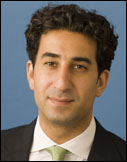
Source: Getty
Any military strike against Iranian nuclear facilities will indefinitely postpone the shelf life of the Iranian regime and therefore be counterproductive.
Source: ABC's This Week
The debate over Iran’s nuclear program often seems to leave out the fact that the largest anti-government protests the Middle East has seen in recent years have come from Iran. Karim Sadjadpour asserts that “military action may set back the nuclear clock back a couple of years, but it will also indefinitely postpone the shelf life of the Iranian regime.” Many Americans are now more worried about nation-building at home through improving the American economy and reducing the U.S.’ footprint in the Middle East. A military attack on Iran would greatly hinder an economic recovery by causing a steep hike in oil prices and further tumult in the region. “The best way we can help the Iranian opposition is by inhibiting the regime’s ability to control information and communication,” notes Sadjadpour.

Senior Fellow, Middle East Program
Karim Sadjadpour is a senior fellow at the Carnegie Endowment for International Peace, where he focuses on Iran and U.S. foreign policy toward the Middle East.
Recent Work


Suzanne Maloney, Aaron David Miller, Karim Sadjadpour

Aaron David Miller, Karim Sadjadpour, Robin Wright
Carnegie does not take institutional positions on public policy issues; the views represented herein are those of the author(s) and do not necessarily reflect the views of Carnegie, its staff, or its trustees.
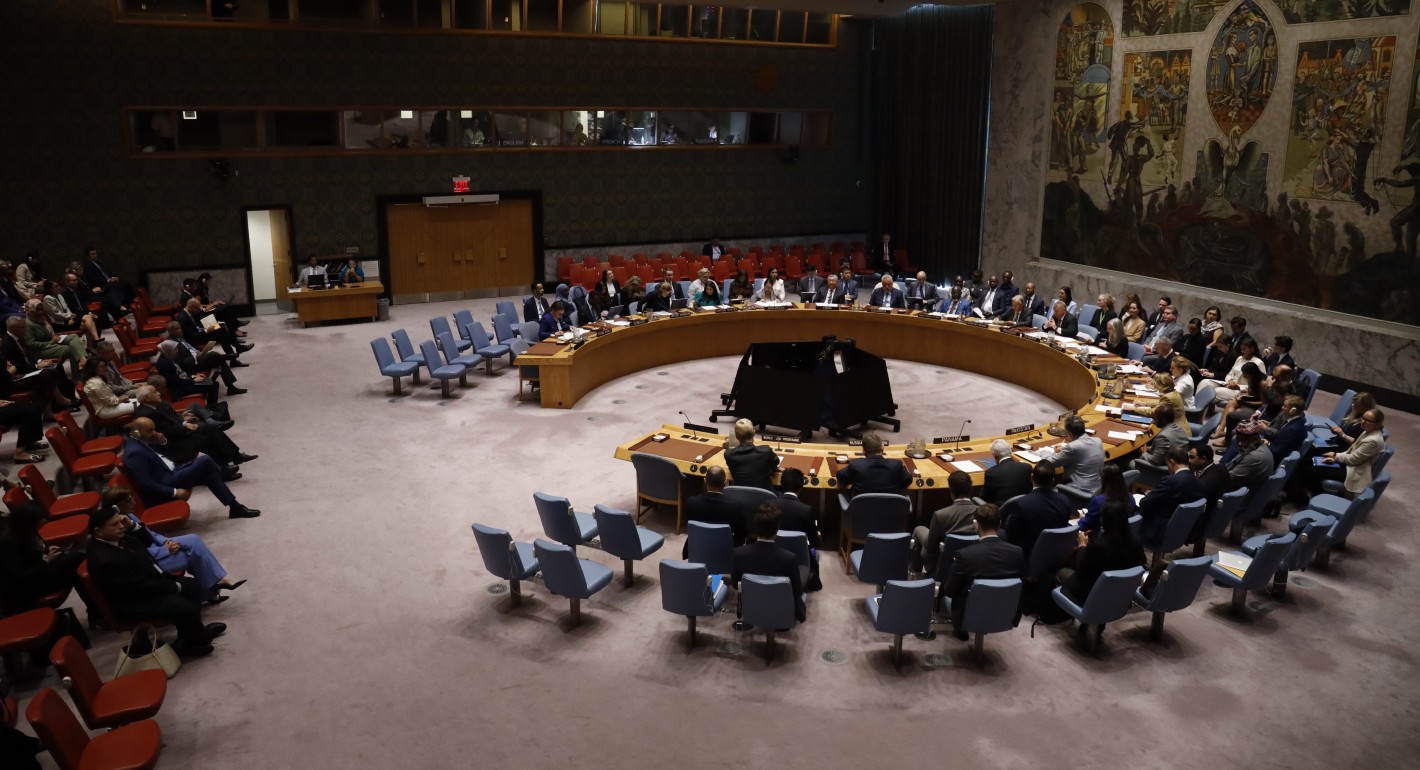
They face an uphill climb, but they could draw on a strategy that other diplomats have used in the past.


Shana Tabak, Alejandro Martin Rodriguez
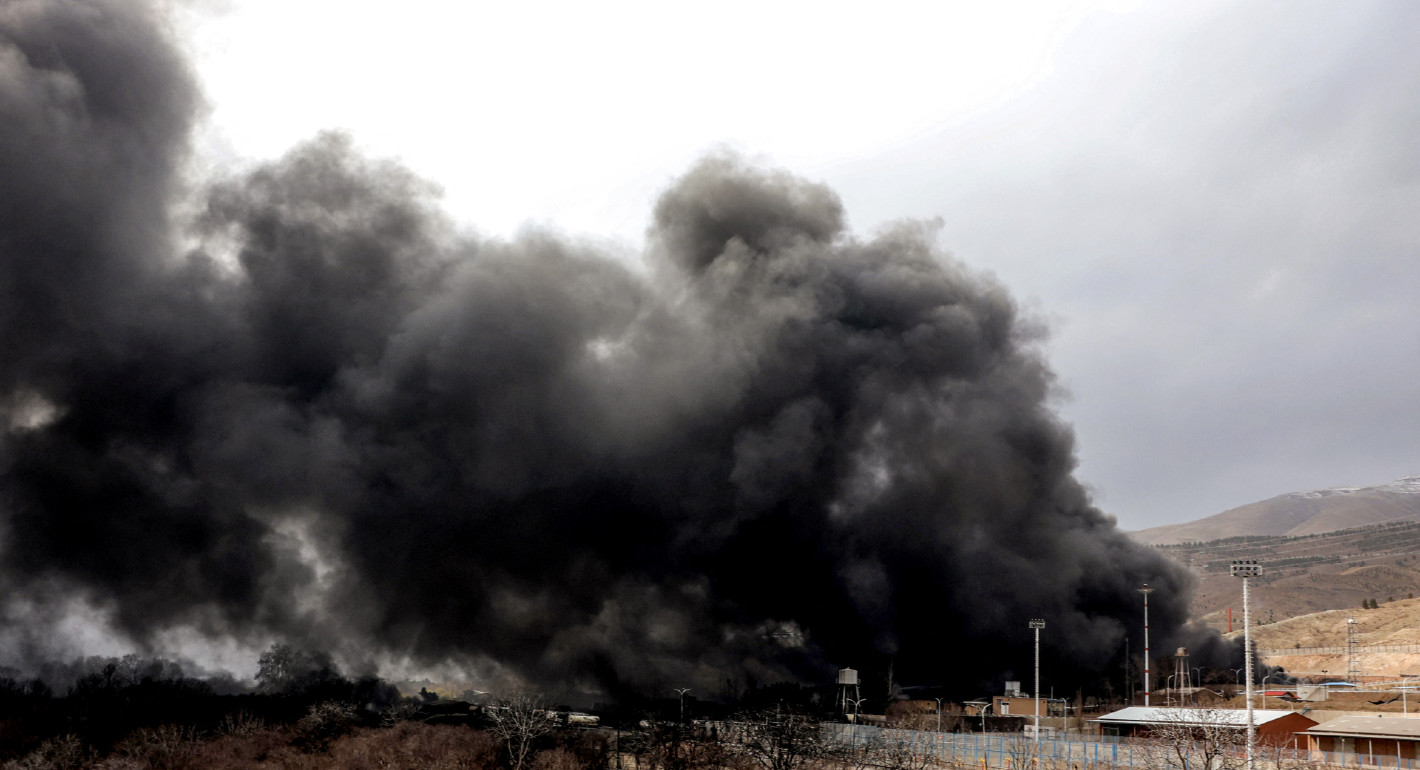
Understanding the climatic pain points is necessary for policymakers hoping to minimize the war’s negative environmental consequences.

Alejandro Martin Rodriguez, Joy Arkeh, Sarah Yerkes

Huawei pushed hard to enter the Egyptian data centers market, until the Americans made a better offer.

Angie Omar

The books, podcasts, and films that explain the world it made.

Andrew Leber

In the tenth year of his presidency, President Mirziyoyev’s system is becoming even more personalized than that of his predecessor Karimov.

Galiya Ibragimova