• Research
  • Emissary
  • About
  • Experts
Carnegie Global logoCarnegie lettermark logo
Democracy
  • Donate
{
  "authors": [
    "Petr Topychkanov"
  ],
  "type": "legacyinthemedia",
  "centerAffiliationAll": "",
  "centers": [
    "Carnegie Endowment for International Peace",
    "Carnegie Russia Eurasia Center"
  ],
  "collections": [],
  "englishNewsletterAll": "",
  "nonEnglishNewsletterAll": "",
  "primaryCenter": "Carnegie Russia Eurasia Center",
  "programAffiliation": "",
  "programs": [],
  "projects": [
    "Eurasia in Transition"
  ],
  "regions": [],
  "topics": []
}
Source: Getty

In The Media
Carnegie Russia Eurasia Center

Italy and Germany Call on the UN Security Council to Respond to Violence in Syria

The situation in Syria is unlikely to improve in the near future. It is increasingly likely that the violent domestic unrest can only be resolved through a regime change.

Link Copied
By Petr Topychkanov
Published on Nov 22, 2011
Project hero Image

Project

Eurasia in Transition

Learn More

Source: Voice of Russia's Inside View

Speaking on Voice of Russia, Carnegie Moscow Center's Peter Topychkanov discussed the ongoing clashes between opposition supporters and government troops in Syria in light of Italy and Germany’s call for a response from the UN Security Council.

According to Topychkanov, the future of the Syrian opposition movement is “difficult to predict” but he warned that it is possible the situation will escalate into civil war. He argued that there are two factors hindering the current opposition—the lack of political leadership and the external influence of Iran.

The Arab League’s decision to suspend Syrian membership was a mistake, Topychkanov added, because it cut off a crucial platform for discussion and negotiation with the Assad regime. He also noted that for NATO, the Syria situation is a more challenging case than that of Libya because of the strong Syrian defenses and indirect participation of Iran in the region.

The worst of the crisis is not over, concluded Topychkanov, and the unrest inside the country will only be resolved with regime change and the end of violent internal conflicts.
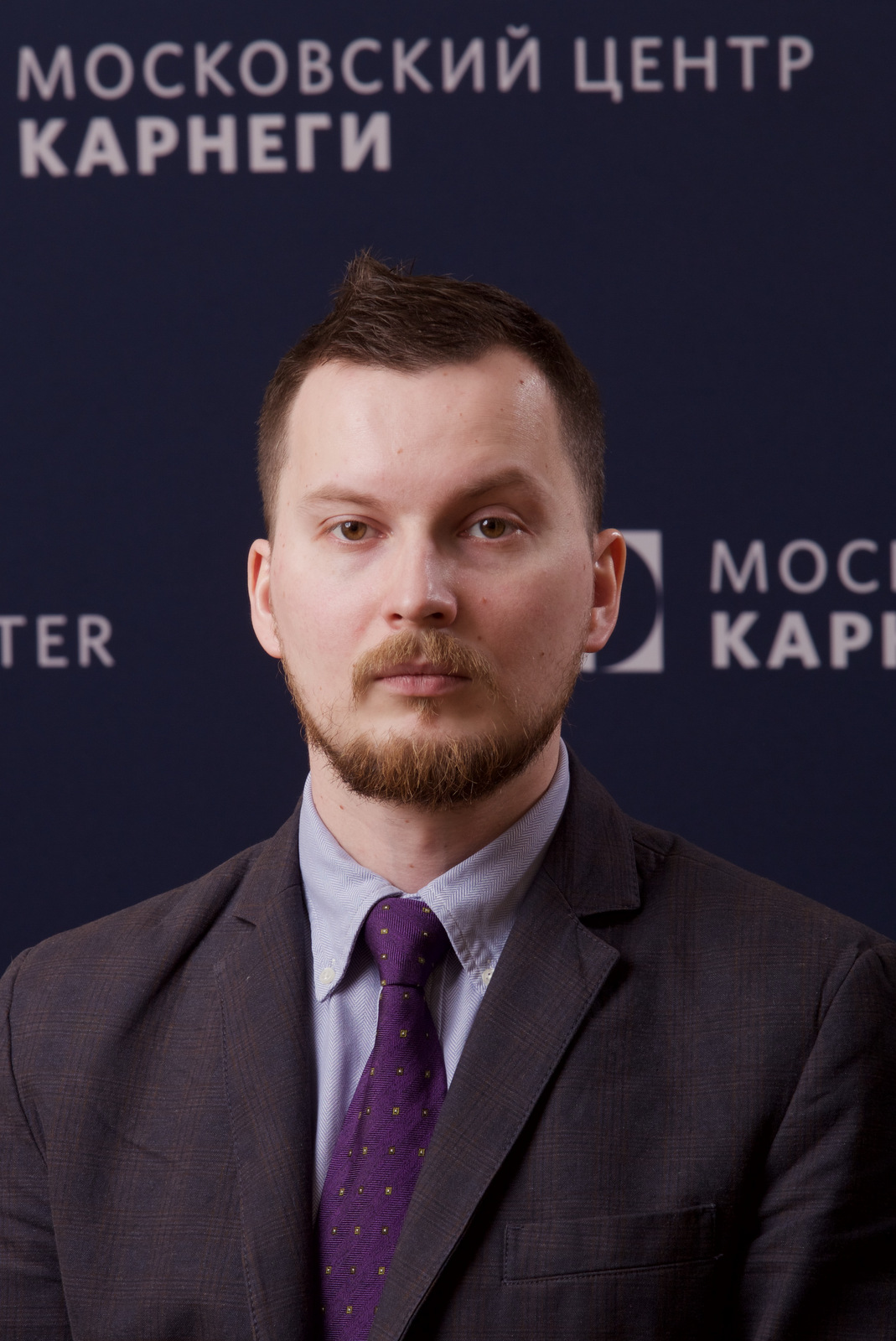
Petr Topychkanov
Former Fellow, Nonproliferation Program, Moscow Center
Petr Topychkanov

Carnegie does not take institutional positions on public policy issues; the views represented herein are those of the author(s) and do not necessarily reflect the views of Carnegie, its staff, or its trustees.

More Work from Carnegie Endowment for International Peace

  • U.S. and Indian flags on display.
    Paper
    Indian Americans in a Time of Turbulence: 2026 Survey Results

    A new Carnegie survey of Indian Americans examines shifting vote preferences, growing political ambivalence, and rising concerns about discrimination amid U.S. policy changes and geopolitical uncertainty.

      • +1

      Milan Vaishnav, Sumitra Badrinathan, Devesh Kapur, …

  • Commentary
    Strategic Europe
    How Europe Can Survive the AI Labor Transition

    Integrating AI into the workplace will increase job insecurity, fundamentally reshaping labor markets. To anticipate and manage this transition, the EU must build public trust, provide training infrastructures, and establish social protections.

      Amanda Coakley

  • Photo of an Israeli soldier walking behind young women in school uniforms, some wearing hijabs.
    Article
    For Younger Palestinians, Crisis Has Become a Way of Life

    Young people in Palestine are accused of being ignorant of their past. But the truth may be that they are more aware of their present than anyone else.

      Nathan J. Brown

  • Commentary
    Carnegie Politika
    Signs of an Imminent End to the Ukraine War Are Deceptive

    The main source of Russian aggression is a profound mistrust of the West and the firm belief that it intends to inflict a “strategic defeat” on Russia. As long as this fear persists, the war will not end.

      Tatiana Stanovaya

  • Source: North Atlantic Treaty Organization
    Paper
    Are Long-Term NATO–South Korea Defense Ties Possible? Transitioning From an Arms Exporter to a Trusted Defense Partner

    South Korea has emerged as a major weapon exporter. But its relationship with Europe will depend on more than that.

      Chung Min Lee

Get more news and analysis from
Carnegie Endowment for International Peace
Carnegie global logo, stacked
1779 Massachusetts Avenue NWWashington, DC, 20036-2103Phone: 202 483 7600Fax: 202 483 1840
  • Research
  • Emissary
  • About
  • Experts
  • Donate
  • Programs
  • Events
  • Blogs
  • Podcasts
  • Contact
  • Annual Reports
  • Careers
  • Privacy
  • For Media
  • Government Resources
Get more news and analysis from
Carnegie Endowment for International Peace
© 2026 Carnegie Endowment for International Peace. All rights reserved.