

Commentary
The Bureau of Industry and Security needs to adjust its focus and practices to maintain its position as the U.S. government’s primary champion of international technological competition.
Geoffrey Irving
{
  "authors": [],
  "type": "legacyinthemedia",
  "centerAffiliationAll": "",
  "centers": [
    "Carnegie Endowment for International Peace",
    "Carnegie Europe"
  ],
  "collections": [],
  "englishNewsletterAll": "",
  "nonEnglishNewsletterAll": "",
  "primaryCenter": "Carnegie Endowment for International Peace",
  "programAffiliation": "",
  "programs": [],
  "projects": [],
  "regions": [
    "Europe"
  ],
  "topics": [
    "Foreign Policy"
  ]
}
Source: Getty
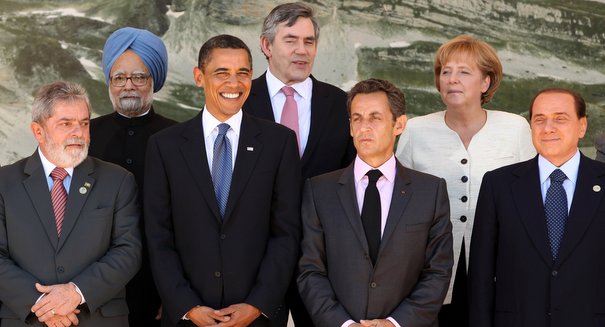
The current eurozone debt crisis is endangering effective EU external relations. If the EU wants to help maintain global freedom, prosperity, and security, investment in foreign policy is key.
Source: EUobserver

We are seriously concerned about the impact that the current eurozone debt crisis is having on the external relations of the Union.
The first casualty is the time available for foreign policy. We recognise and support your efforts to overcome the current crisis but it is important that our relations with third countries do not suffer as a consequence. Important summits have been postponed and there is less time to focus on priority issues such as supporting the transitions in North Africa.
A second problem is the resources available for foreign policy. The EU’s budget for external affairs is already small and any further cuts would seriously impact on the EU’s pretensions to play a global role.
A third potential problem is access to the EU’s market. There are many voices calling for protection against ‘unfair competition’ from third countries. We consider it important to maintain an open EU market albeit access based on reciprocity as regards our strategic partners.
A fourth factor is the damage to the EU’s image as a well-governed entity, an important basis for the EU’s attraction as a soft power. Restoring the EU’s economic health would of course help repair the damage to our image.
Fifth, the US global footprint is set to decline due to budget cuts. This means that the EU will have to take more responsibility for its own security and regional security. It is important that this case is put to EU citizens.
Furthermore, ensuring the continuation of a strong liberal world order that emerged after the Second World War remains a key European interest. It is essential that emerging powers become stakeholders in that order.
Only a strong, united and self-confident EU can help strengthen and further develop global institutions and rules that are a necessity to ensure European security and prosperity.
The external relations of the EU cannot be seen as an afterthought. An inward looking EU will be at the mercy of others. And it will not be able to shape the global order according to its values and interests. Investment in foreign policy is an investment in the long-term viability of European freedom, prosperity and security.
Fraser Cameron, EU-Asia Centre
Ulrich Speck, Global Europe Initiative
Josef Janning, European Policy Centre
Pierre Defraigne, Madariaga, College of Europe Foundation
Charles Grant, Centre for European Reform
Shada Islam, Friends of Europe
Gustaaf Geererts, Brussels Institute of Contemporary China Studies
Gerald Knaus, European Stability Initiative
Nicu Popescu, European Council on Foreign Relations
Michael Emerson, Centre for European Policy Studies
Ulrike Guérot, European Council on Foreign Relations
Fabrizio Tassinari, Danish Institute for International Studies
José Ignacio Torreblanca, European Council on Foreign Relations
Jonas Parello-Plesner, European Council on Foreign Relations
Rosa Balfour, European Policy Centre
Giles Merritt, Security and Defence Agenda
Geert Cami, Friends of Europe
Richard Youngs, FRIDE
Ben Judah, European Council on Foreign Relations
Pawel Swieboda, Demos Europa
Dimitar Bechev, European Council on Foreign Relations
Sven Biscop, Egmont Institute
Stefani Weiss, Bertelsmann Stiftung
Daniel Korski, European Council on Foreign Relations
Ralf Fücks, Heinrich Böll Stiftung
Sami Andoura, Notre Europe
Jan Techau, Carnegie Europe
Heather Grabbe, Open Society Foundation
Richard Gowan, European Council on Foreign Relations
Amanda Paul, European Policy Centre
Tomas Valasek, Centre for European Reform
Constanze Stelzenmüller, German Marshall Fund
Almut Möller, Deutsche Gesellschaft für Auswärtige Politik
Carnegie does not take institutional positions on public policy issues; the views represented herein are those of the author(s) and do not necessarily reflect the views of Carnegie, its staff, or its trustees.

The Bureau of Industry and Security needs to adjust its focus and practices to maintain its position as the U.S. government’s primary champion of international technological competition.

Geoffrey Irving
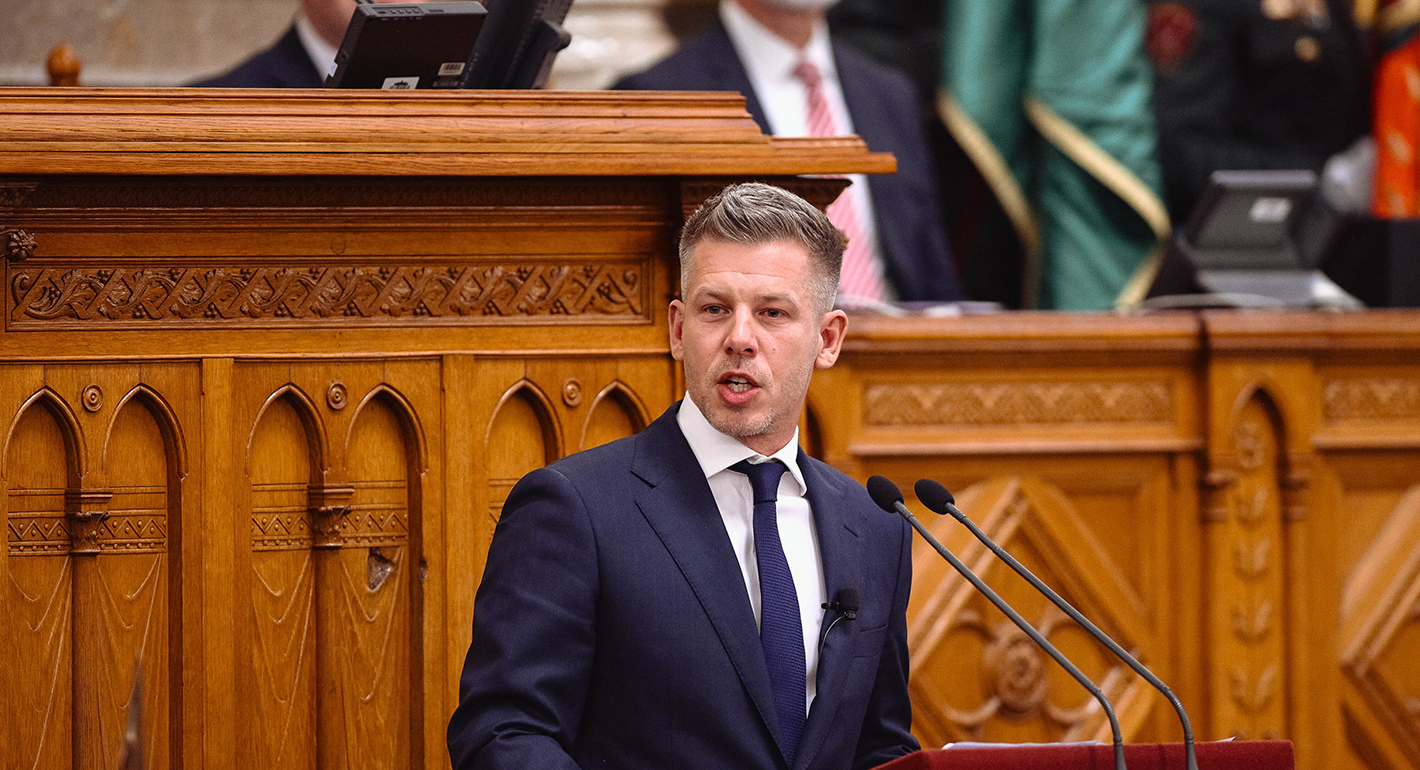
Despite myriad challenges and occasional stumbles, the new Hungarian government is moving ahead with energy and conviction to uproot years of illiberalism and corruption and rebuild Hungarian democracy.

Thomas Carothers

European Commission President Ursula von der Leyen is about to give her annual address on the state of the EU. Here’s what she won’t—but should—say.

Rym Momtaz

Radical-right parties are expected to do well in upcoming elections in four of the EU's biggest member states. If successful, they could prevent the union from addressing key challenges ahead.

Stefan Lehne

The books, podcasts, and films that explain the world it made.

Andrew Leber