

Commentary
Judy Dempsey
{
  "authors": [
    "Judy Dempsey"
  ],
  "type": "legacyinthemedia",
  "centerAffiliationAll": "",
  "centers": [
    "Carnegie Endowment for International Peace",
    "Carnegie Europe"
  ],
  "collections": [
    "Transatlantic Cooperation"
  ],
  "englishNewsletterAll": "",
  "nonEnglishNewsletterAll": "",
  "primaryCenter": "Carnegie Europe",
  "programAffiliation": "",
  "programs": [],
  "projects": [],
  "regions": [
    "Europe",
    "North America"
  ],
  "topics": [
    "Foreign Policy"
  ]
}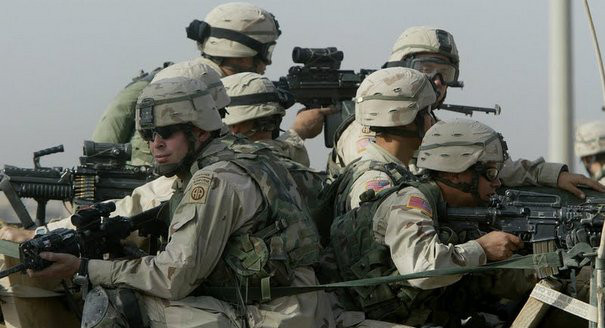
Source: Getty
Most European governments are loath to cede sovereignty over, or spend more on, defense, but they should be aware of the risks of their apathy.
Source: Munich Calling

“We are now turning the page on a decade of war,” Mr. Obama said during a rare visit to the Pentagon. “We have to renew our economic strength, here at home, which is the foundation of our strength in the world. The wars in Iraq and Afghanistan ended up being highly unpopular among the American public. Not just because of the enormous financial and human costs.
U.S. opinion polls have shown that Americans, if they do fight wars, want much more support from their European allies. If they don’t, the least the Europeans can do is to take charge of their own security.That is not going to happen in a hurry, if at all. Ever since the global financial crisis of 2008 followed by the euro crisis, most European governments have cut defense spending.They needed little excuse.Defense spending as a percentage of gross domestic product had already been steadily declining among most of NATO’s 28 members. Officially, they all are committed to spending at least two per cent of GDP on defense. Few have reached it. It is not for the lack of cajoling over the past decade by NATO’s three successive secretary-generals. Each has pleaded with the Europeans to spend, if not more, then more effectively.
More recently, NATO countries—and this includes almost all the European Union countries since most are members of each other’s organization—have been urged to specialize, pool resources and end the duplication of military equipment. The response has been disappointing despite the lesson from the Kosovo war of 1999.That war showed how NATO’s European nations were woefully unprepared: They lacked logistics, heavy airlift and intelligence. Now, 13 years later, they still do. The NATO mission in Libya earlier this year confirmed that.
Even though the U.S. for the first time passed command over to the Europeans, the Pentagon provided 90 per cent of the electronic intelligence support. Only 14 NATO members and four other states provided naval and air forces and only eight NATO nations took part in combat missions. It has left the Pentagon wondering even more about NATO’s future.
There are several reasons why the Europeans are so reluctant to deal with improving capabilities or spending more efficiently. One is related to the growing gap in the transatlantic relationship, so long anchored on NATO. The Europeans relied so much on the U.S. during the Cold War that they began to take that dependence for granted.
Indeed, more than twenty years after the end of the Cold War and ten years since the September 11 terrorist attacks against the U.S., the Europeans have yet to devise a security strategy that would look at the threats facing Europe, the military needs and what NATO, or even the EU’s foreign and security policy means for the transatlantic relationship today.
Second, Atlanticism itself is weakening. Perhaps it is a change in generation among the U.S. political elites as much as America’s shifting focus as America believes that Europe is now safe, prosperous and united. As President Obama said last Thursday, U.S. strategic priorities would shift to the Asia-Pacific region.It is possible that European leaders are too distracted by the Euro crisis. But they have given astonishingly little thought to what Washington’s turn to the Pacific means for Europe’s security and strategic interests.
It is as if Atlanticism has little resonance among many European NATO capitals.Gone are the times when the Dutch and the Germans, the Poles and the Turks were unswerving Atlanticists, unreservedly committed to NATO. Of course, the war in Iraq changed the parameters of Atlanticism, with NATO so deeply split over the U.S. invasion.
Yet for all the rhetoric among some capitals at the time about the European Union establishing an independent military planning headquarters, both the much touted EU’s Rapid Reaction Force and NATO’s Response Force are both untested. They lack commitment by the member states.
The Europeans are also divided. When Poland last year proposed an EU military planning headquarters, Britain blocked it. Perhaps London feared it was the first step towards shifting defense away from national governments to the Community level in Brussels. Nothing could be further from reality.
Most European governments are loath to cede sovereignty over defense just as many of them are reluctant to explain to their publics why Europe needs to pay for logistics, intelligence and heavy airlift. But they should be aware of the risks of their apathy. As U.S defense secretary, Leon Panetta warned last Thursday: “the American military presence in Europe would “adapt and evolve.” No doubt the U.S.’s new defense stance will provide a major talking point for the Munich Security Conference.
This article was originally published in the Munich Security Conference's Munich Calling.

Nonresident Senior Fellow, Carnegie Europe
Judy Dempsey is a nonresident senior fellow at Carnegie Europe
Recent Work
Judy Dempsey
Judy Dempsey
Carnegie does not take institutional positions on public policy issues; the views represented herein are those of the author(s) and do not necessarily reflect the views of Carnegie, its staff, or its trustees.

Despite a new textbook, an influx of Russian teachers and managers, and an end to the teaching of Ukrainian, the Kremlin is unlikely to have “reprogrammed” locals.

Konstantin Skorkin

The acknowledgment has sparked fears of a new arms race with China and Russia.

Chris O’Meara
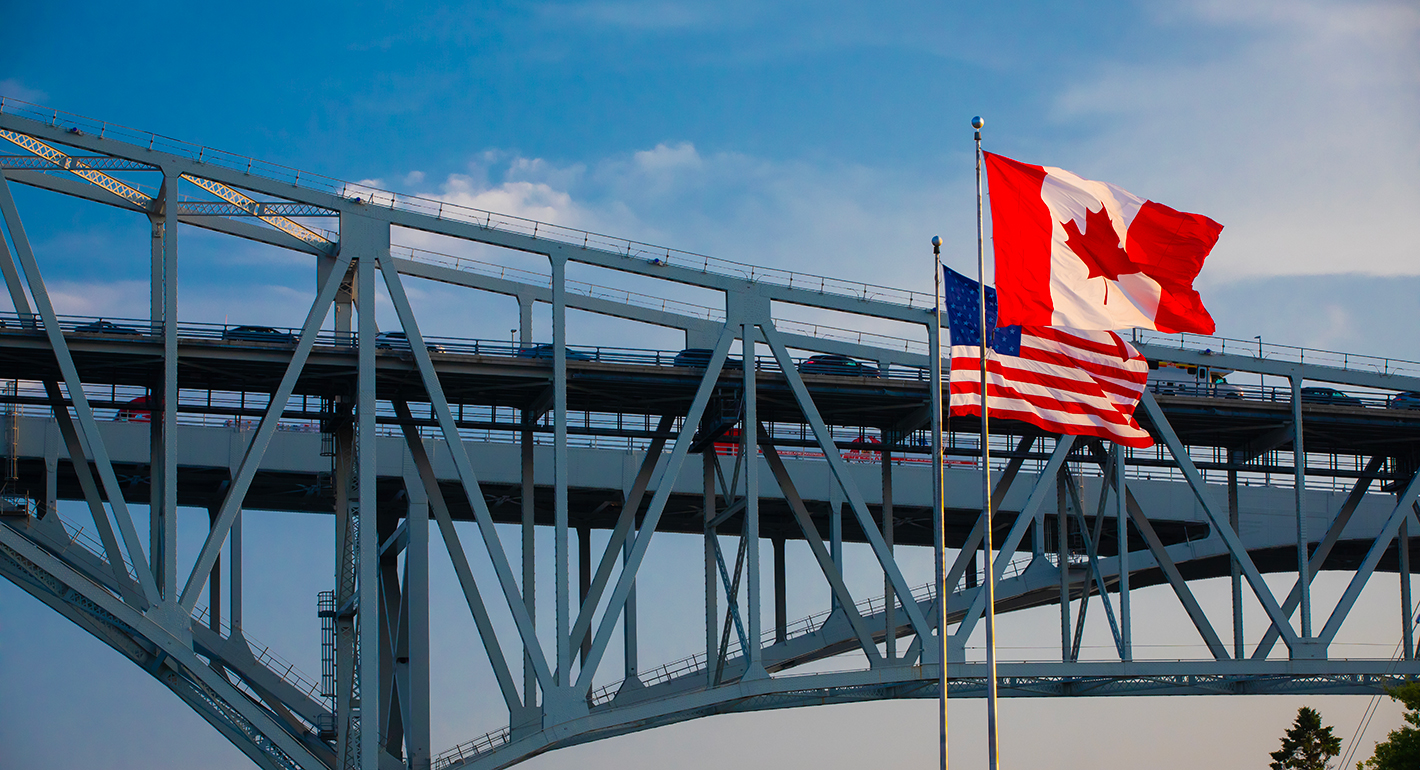
Smaller powers cannot go it alone, but Canadian history shows that integration with the United States will not always be benign.
Paul Samson

The European Commissioner for Trade is headed to China. But after President Xi’s bridge-building visit to Washington, can a more isolated EU overcome Beijing’s stranglehold on critical raw materials? Who will blink first?

Rym Momtaz, ed.
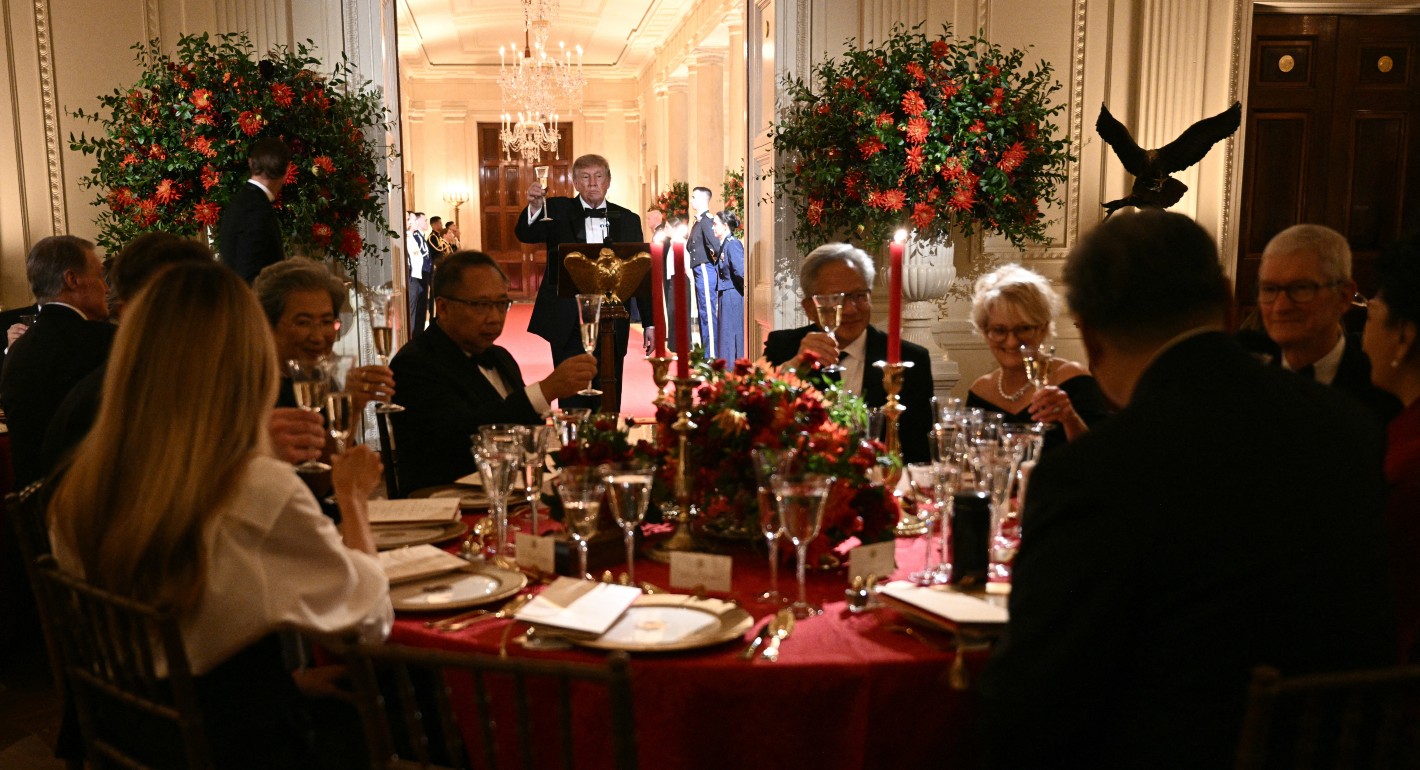
The summit may be remembered as a fatal blunder, when Washington, Beijing, and the AI industry collectively chose ceremony over action.
Jeffrey Prescott