
• Research
  • Emissary
  • About
  • Experts
Carnegie Global logoCarnegie lettermark logo
DemocracyIran
  • Donate
{
  "authors": [
    "Sinan Ülgen"
  ],
  "type": "legacyinthemedia",
  "centerAffiliationAll": "",
  "centers": [
    "Carnegie Endowment for International Peace",
    "Carnegie Europe"
  ],
  "collections": [
    "Turkey’s Transformation"
  ],
  "englishNewsletterAll": "",
  "nonEnglishNewsletterAll": "",
  "primaryCenter": "Carnegie Europe",
  "programAffiliation": "",
  "programs": [],
  "projects": [],
  "regions": [
    "Middle East",
    "Europe",
    "Türkiye"
  ],
  "topics": []
}
Source: Getty

In The Media
Carnegie Europe

Turkey and Syria

The overriding concern for Turkish policy makers is to prevent Syria’s implosion and descent into civil war.

Link Copied
By Sinan Ülgen
Published on Feb 7, 2012

Source: BBC World News

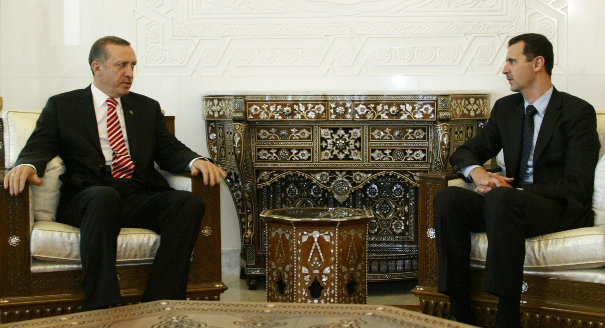
In a recent interview on the BBC’s World News Today, Carnegie’s Sinan Ülgen commented on Turkey’s role in the evolving situation in Syria. Highlighting the dismay in Ankara at the vetoing of a United Nations Security Council resolution on Syria, Ülgen stressed that the overriding concern for Turkish policy makers is to prevent the country’s implosion and descent into civil war. As such, he continued, Ankara has opted for a radical departure from its established foreign policy by promoting the idea of regime change in Damascus and lending overt support to the Assad regime’s main opponents, the Syrian National Council and Free Syrian Army. Turkish Foreign Minister Ahmet Davutoğlu’s February visit to Washington, Ülgen concluded, could provide an opportunity for Turkey and the United States to re-assess and strengthen support to the opposition.

About the Author

Sinan Ülgen

Senior Fellow, Carnegie Europe

Sinan Ülgen is a senior fellow at Carnegie Europe in Brussels, where his research focuses on Turkish foreign policy, transatlantic relations, international trade, economic security, and digital policy.

    Recent Work

  • Research
    Reforming European Security: A Turkish Perspective
      • +5

      Alper Coşkun, Fatih Ceylan, Tacan İldem, …

  • Paper
    From Trade Dependence to Geopolitical Leverage: The EU in an Era of Weaponized Interdependence

      Sinan Ülgen

Sinan Ülgen
Senior Fellow, Carnegie Europe
Sinan Ülgen
Middle EastEuropeTürkiye

Carnegie does not take institutional positions on public policy issues; the views represented herein are those of the author(s) and do not necessarily reflect the views of Carnegie, its staff, or its trustees.
More Work from Carnegie Endowment for International Peace

  • Two people in blue PPE standing over large metal rolls
    Commentary
    Emissary
    Inside the Global Race to Erode a Battery Manufacturing Monopoly

    Over the past decade, China has moved from marginal player to major producer of all things batteries. The United States, Europe, and others are aiming to balance the market.

      Milo McBride
  • People standing on rocks in the ocean near the shore, with soldiers in the foreground
    Commentary
    Emissary
    The Migration Wave That Embarrassed Morocco and Rattled Europe

    Most migrants may have left Ceuta, but the effects may linger.

      • Alejandro Rodriguez
      • Sarah Yerkes

      Alejandro Martin Rodriguez, Sarah Yerkes
  • Port cranes at sunset
    Commentary
    Emissary
    The Drone Attack on Egypt and the Widening Middle East War

    The targeting of Damietta Port appears to be more than a mere security message.

      Amr Hamzawy
  • Commentary
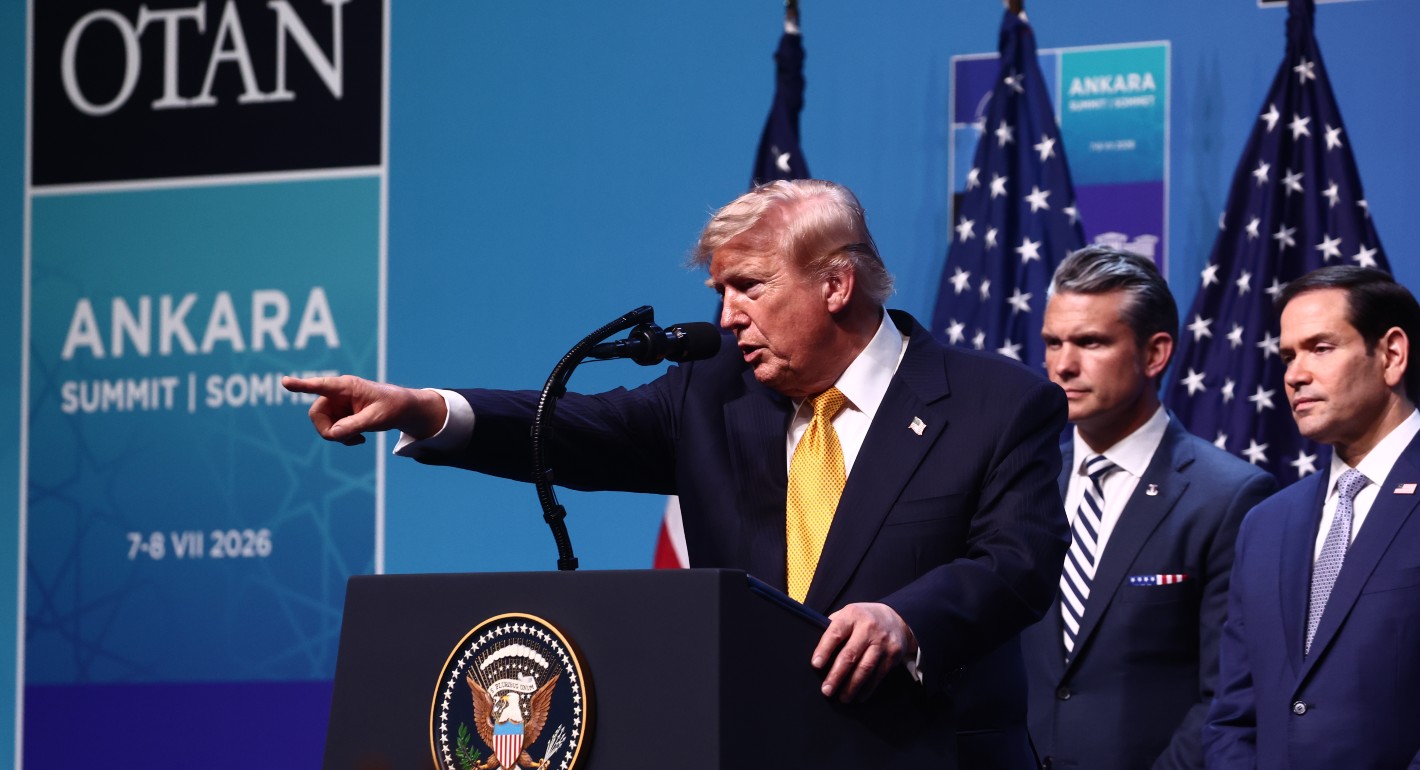
    "I Don’t Think Trump Wants to Pull America Out of NATO"

    Does Donald Trump want to redraw the map of the world? Historian and geopolitical thinker Stephen Wertheim tries to parse the logic behind current American foreign policy

      Stephen Wertheim
  • Commentary
    Sada
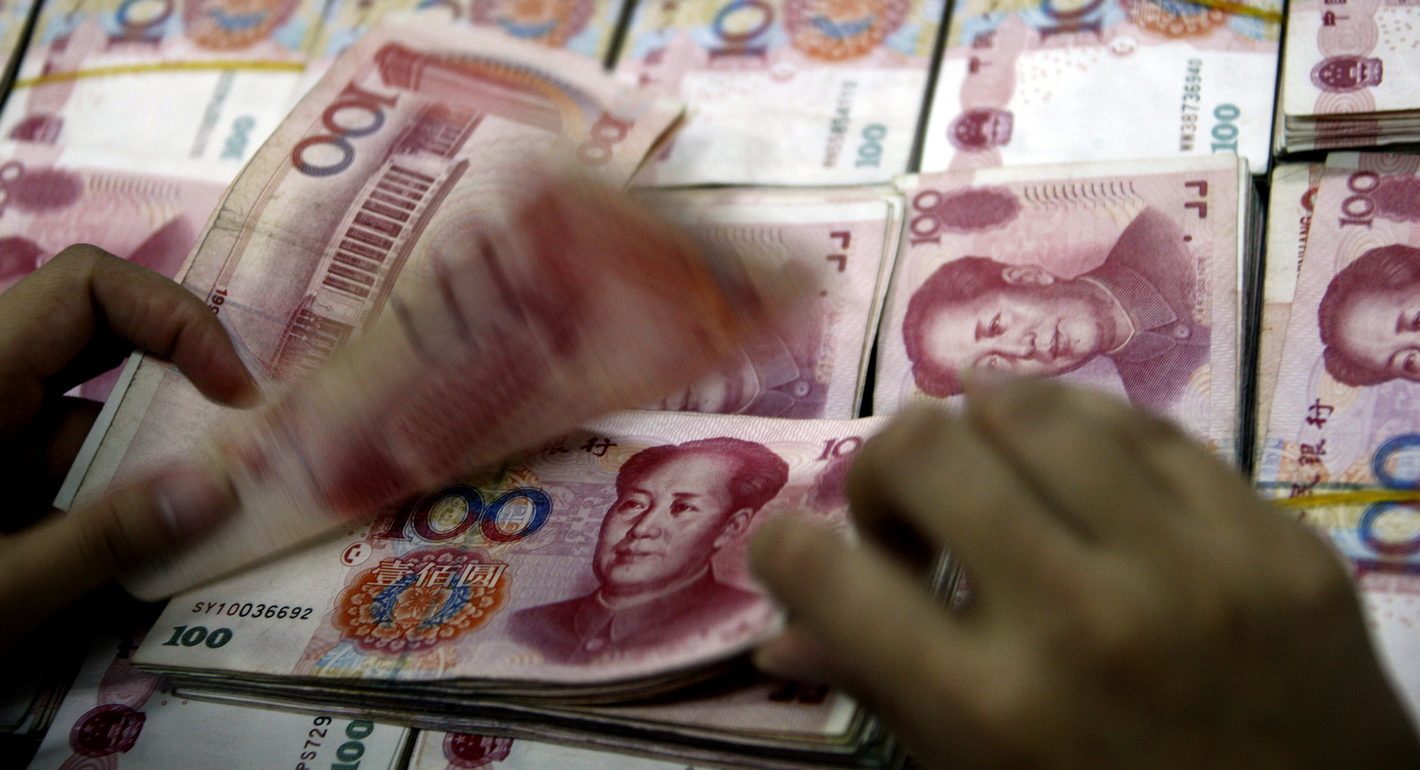
    The Channels of China’s Currency Promotion in Gulf Markets

    Is the Gulf moving beyond the dollar? This article examines how China is expanding the renminbi's role across Gulf markets, what that means for regional finance, and why the future of global currencies is more complex than the de-dollarization debate suggests.
      Andrew Bonney

Get more news and analysis from
Carnegie Endowment for International Peace
Carnegie global logo, stacked
1779 Massachusetts Avenue NWWashington, DC, 20036-2103Phone: 202 483 7600
  • Research
  • Emissary
  • About
  • Experts
  • Donate
  • Programs
  • Events
  • Blogs
  • Podcasts
  • Contact
  • Annual Reports
  • Careers
  • Privacy
  • For Media
  • Government Resources
Get more news and analysis from
Carnegie Endowment for International Peace
© 2026 Carnegie Endowment for International Peace. All rights reserved.

