

Commentary
Uri Dadush
{
  "authors": [
    "Uri Dadush"
  ],
  "type": "legacyinthemedia",
  "centerAffiliationAll": "",
  "centers": [
    "Carnegie Endowment for International Peace"
  ],
  "collections": [],
  "englishNewsletterAll": "",
  "nonEnglishNewsletterAll": "",
  "primaryCenter": "Carnegie Endowment for International Peace",
  "programAffiliation": "",
  "programs": [],
  "projects": [],
  "regions": [
    "North America",
    "United States",
    "Southern, Eastern, and Western Africa",
    "South Asia",
    "India",
    "East Asia",
    "China"
  ],
  "topics": [
    "Economy"
  ]
}
REQUIRED IMAGE
Over the past several decades, the World Bank has broadened its approach to growth and poverty reduction by moving beyond hard infrastructure initiatives to systemic reforms in education and health care and the development of social safety nets.
Source: C-SPAN
Speaking on C-SPAN’s Washington Journal, Uri Dadush provided a primer on the World Bank’s mission and operations. He discussed how the bank’s approach to development has evolved over the years; outgoing president Robert Zoellick’s achievements at the bank; and the institution’s intense engagement with Africa. Over the past several decades, Dadush noted, the World Bank has broadened its approach to growth and poverty reduction, shifting from “projects” to “programs” and moving beyond hard infrastructure initiatives—the construction of roads, bridges, and power stations—to systemic reforms in education and health care and the development of social safety nets. The bank has made mistakes, but also learned from them, Dadush added; it has played a critical role, moreover, in launching the green revolution, which helped increase agricultural productivity and reduce poverty, and eradicate river blindness, among other accomplishments.

Former Senior Associate, International Economics Program
Dadush was a senior associate at the Carnegie Endowment for International Peace. He focuses on trends in the global economy and is currently tracking developments in the eurozone crisis.
Recent Work
Uri Dadush
Uri Dadush
Carnegie does not take institutional positions on public policy issues; the views represented herein are those of the author(s) and do not necessarily reflect the views of Carnegie, its staff, or its trustees.
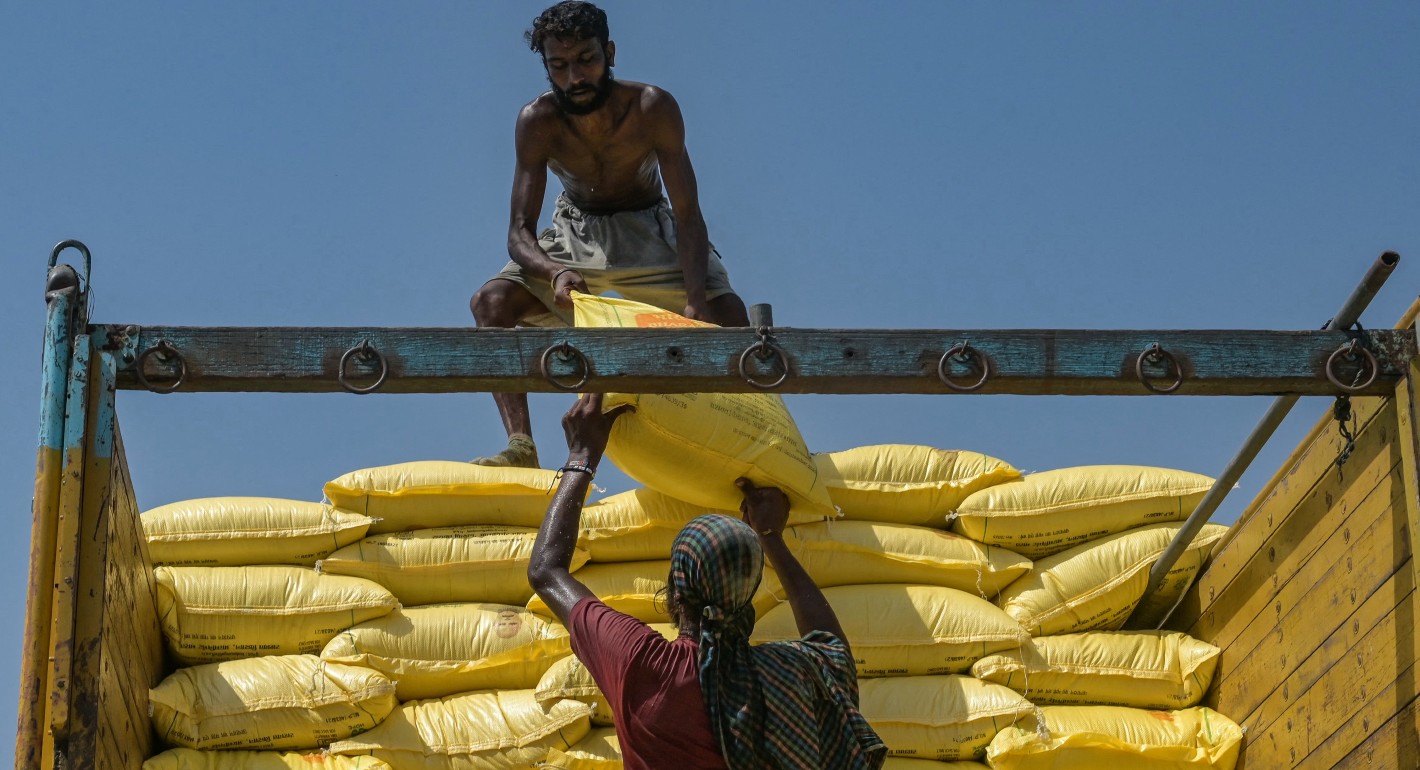
Even if the Iran war stops, restarting production and transport for fertilizers and their components could take weeks—at a crucial moment for planting.
Noah Gordon, Lucy Corthell
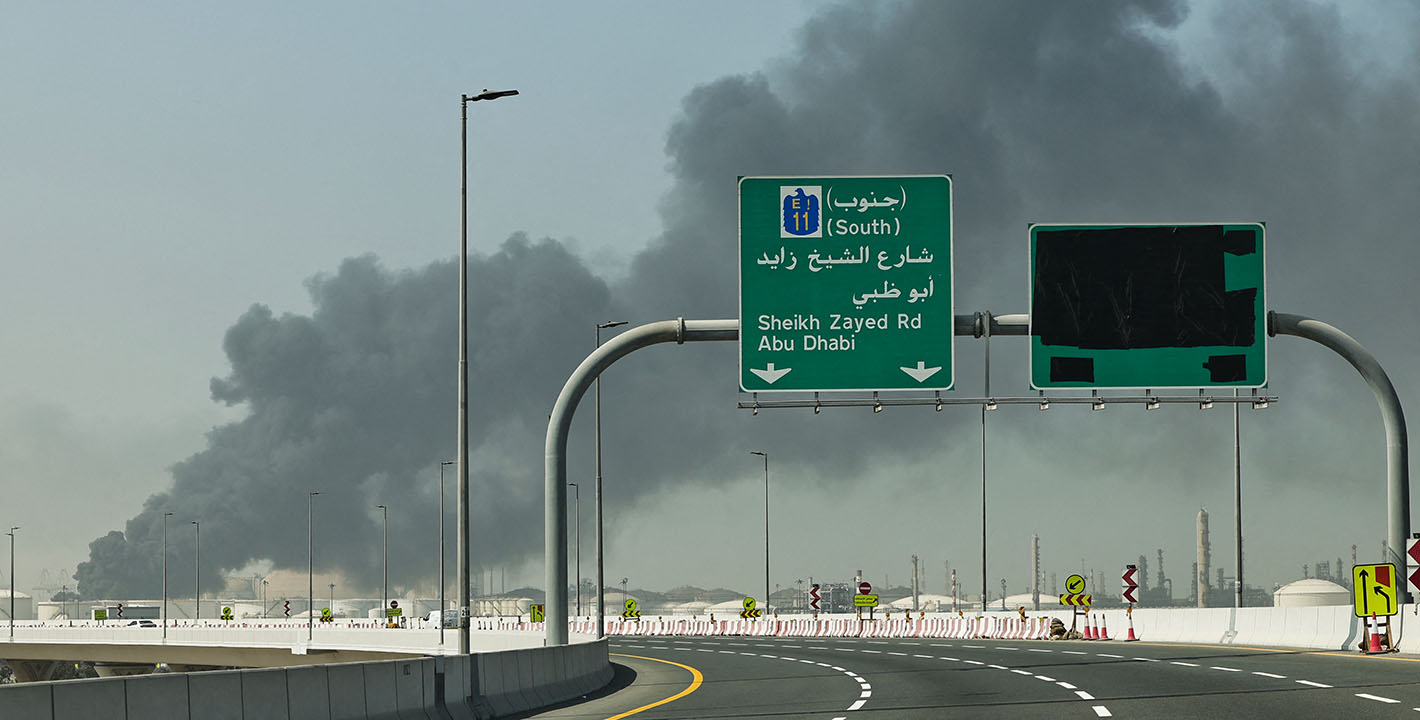
The countries in the region are managing the fallout from Iranian strikes in a paradoxical way.

Angie Omar
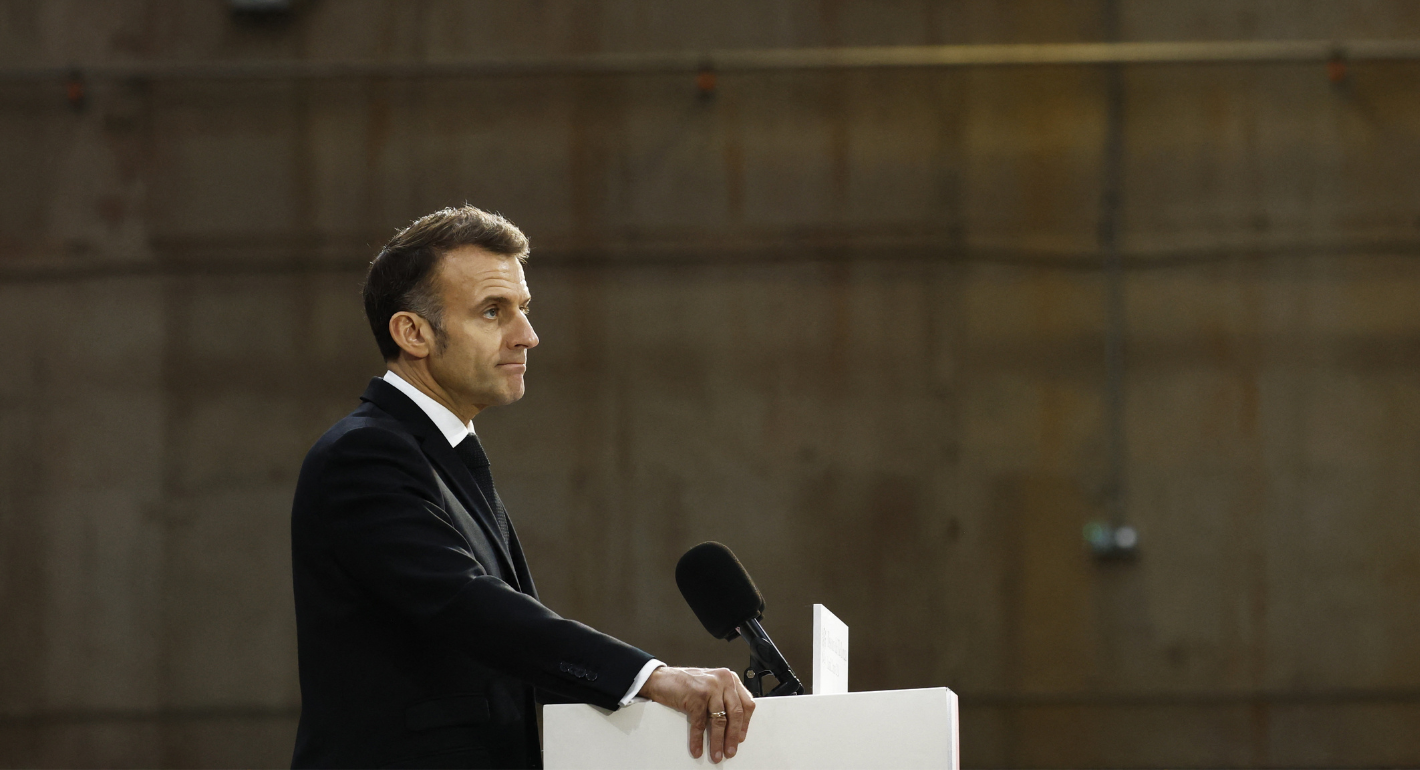
French President Emmanuel Macron has unveiled his country’s new nuclear doctrine. Are the changes he has made enough to reassure France’s European partners in the current geopolitical context?

Rym Momtaz, ed.
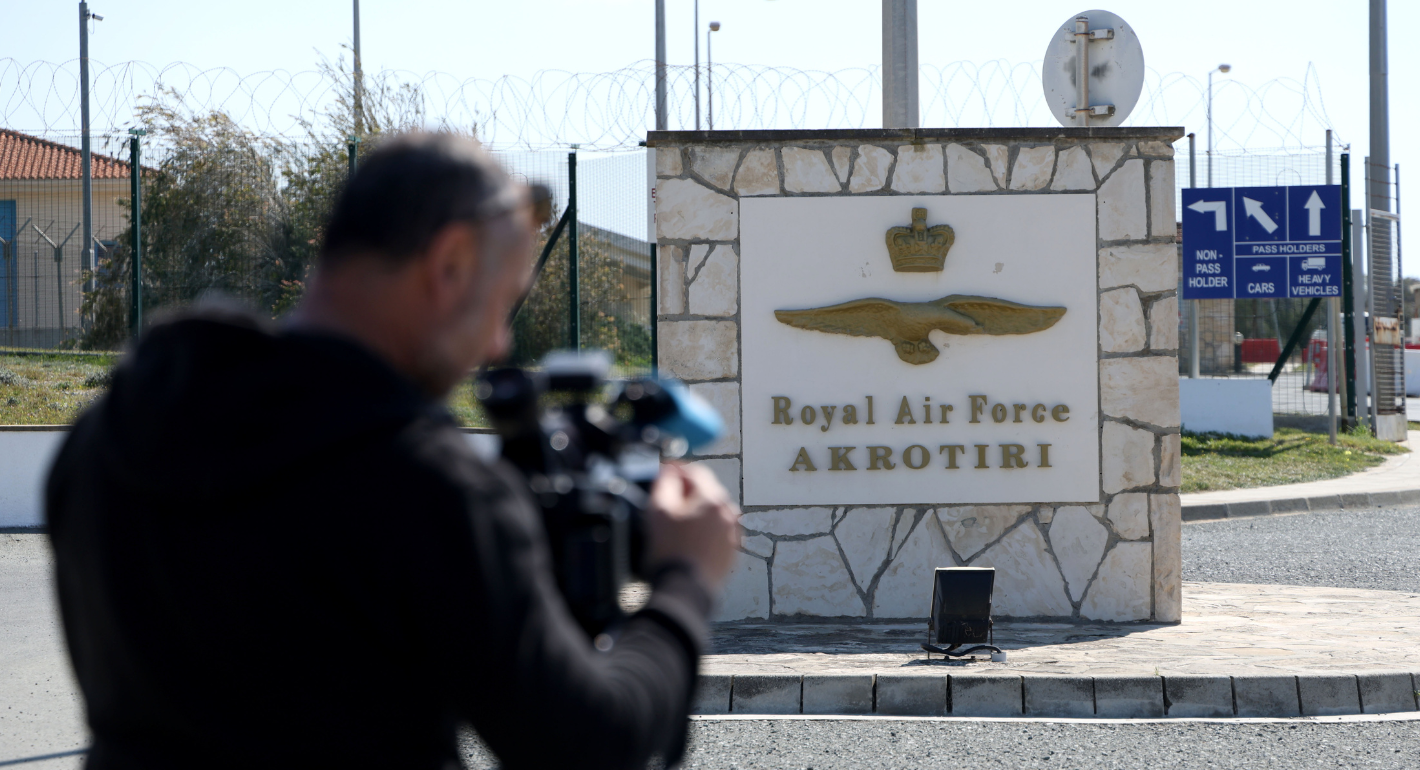
The drone strike on the British air base in Akrotiri brings Europe’s proximity to the conflict in Iran into sharp relief. In the fog of war, old tensions in the Eastern Mediterranean risk being reignited, and regional stakeholders must avoid escalation.

Marc Pierini

In an interview, Hassan Mneimneh discusses the ongoing conflict and the myriad miscalculations characterizing it.

Michael Young