

Research
- +5
Alper Coşkun, Fatih Ceylan, Tacan İldem, …
{
  "authors": [
    "Sinan Ülgen"
  ],
  "type": "legacyinthemedia",
  "centerAffiliationAll": "dc",
  "centers": [
    "Carnegie Endowment for International Peace",
    "Carnegie Europe",
    "Malcolm H. Kerr Carnegie Middle East Center"
  ],
  "collections": [
    "Turkey’s Transformation"
  ],
  "englishNewsletterAll": "ctw",
  "nonEnglishNewsletterAll": "",
  "primaryCenter": "Carnegie Europe",
  "programAffiliation": "NPP",
  "programs": [
    "Nuclear Policy"
  ],
  "projects": [],
  "regions": [
    "Middle East",
    "Europe",
    "Türkiye",
    "Gulf",
    "Iran"
  ],
  "topics": [
    "Nuclear Policy"
  ]
}
Source: Getty
Although policymakers worry that an Iranian atomic weapon would force the country's neighbors to explore the nuclear option, that is not the case for Turkey.
Source: Euractiv

Analysts are wrong, however, to think that Turkey would automatically rush into a weapons programme. There is more at play for Turkey here.
Turkish-Iranian relations are defined by a long history of rivalry, stemming from competing imperial and religious ambitions. Vying for the leadership of the Islamic world, Sunni Ottomans checked the regional ambitions of the Shiite Persians. In more recent history, Turkish officials viewed Iran with contempt because of the regime’s alleged support for Islamic extremists seeking the overthrow of Turkey’s secular republic. In the past decade however Turkey’s ruling AK Party has publicly embraced the Islamic Republic and has sought ways to increase diplomatic and economic cooperation.Iranian and Turkish diplomatic relations have been based on a growing economic relationship and security cooperation against common threats. Intent on leveraging this relationship, Ankara took the lead with Brazil in proposing a nuclear fuel swap deal with Tehran in May 2010. As a confidence-building measure, the proposal would have stored a large part of Iran’s enriched uranium outside the country, so as to prevent the diversion of this sensitive material for a weapons program.
Prime Minister Recep Tayyip Erdoğan has even supported Tehran’s controversial nuclear enrichment program while insisting on the need for Iran to cooperate with the International Atomic Energy Agency (IAEA) to ensure the transparency of its nuclear activities.
The failure of this initiative to win support in the West frustrated Turkish policy makers and heralded a transformation in Ankara’s policies. Turkey’s approach was interpreted in many Western capitals as undermining the work of the international coalition built to pressure Iran. Having taken stock of the damage that this ill-timed diplomacy has done to its Western credentials, Turkey started to reconsider its position. As a signal of its firm commitment to the Alliance, Turkey eventually agreed to host NATO’s early warning radar system.
The reaction from Iran was severe. In mid-December 2011, Hussein Ibrahimi, the acting president of the Iranian Parliament’s Foreign Policy and National Security Commission, stated that Iran would retaliate by striking the radar site in Turkey if its nuclear program was attacked.
This warning came in the midst of a growing rift between Ankara and Tehran about the behaviour of the regime of Bashar al-Assad in Syria. As a result, Ankara is now faced with the prospect of Iran becoming a nuclear weapon state against the backdrop of a noticeable deterioration in the bilateral relationship.
Viewed from Ankara, a nuclear-armed Iran would undermine regional stability, a bedrock principle of Turkey’s foreign and security policy. An Iran with nuclear weapons would also pose problems for Turkish foreign policy and regional ambitions. While Turkey does not feel directly threatened by Iran, if Tehran had nuclear weapons, it would certainly alter the balance of power and upset strategic stability. Yet as threatening as a nuclear-armed Iran may be, the “domino effect” will not in itself be sufficient to trigger a Turkish decision to build a nuclear weapons program.
Turkey does not have the necessary infrastructure to produce fissile material for a nuclear weapon, nor does it have the relevant infrastructure to mine uranium, enrich uranium, or reprocess spent nuclear fuel. Without this vital infrastructure, Turkey could not indigenously manufacture the fissile core for a nuclear weapon. However, the design of first-generation nuclear weapons is relatively simple and it is likely that Turkish physicists would be technically capable of fashioning first-generation nuclear weapons if the leadership were to give the go-ahead.
The political will to proliferate is however likely to remain absent in Turkey. The country has a stellar history of nonproliferation and has signed on to every relevant IAEA and international agreement governing the spread of nuclear technology. Moreover, it is a member of NATO and a candidate for membership in the European Union.
A Turkish decision to proliferate would seriously complicate its international standing, undermine its economic resurgence, and seriously damage relations with the United States and its other NATO allies. Moreover, any Turkish move toward weaponisation would draw a harsh rebuke from the United States and would be met by the threat of sanctions if Turkey were to continue its weapons efforts.
An Iranian nuclear weapon would alter the balance of power and significantly constrain Turkish freedom of action in the region. In this event, Turkey would continue its decades’ old policy of relying on NATO’s nuclear policy for deterrence. It seems unlikely that Turkey would forsake its policy of pursuing soft power solutions to foreign policy problems. If faced with a nuclear trigger, Ankara would continue to strengthen ties with the traditional guarantors of its security.
In the end, Ankara will not seek to develop an independent nuclear capability. Any nuclear arms race in the Middle East would exclude Turkey. Efforts to prevent nuclear proliferation in this region should therefore be based on reassurance to other potential proliferators about the commitment of the West to contain a nuclear armed Iran.

Senior Fellow, Carnegie Europe
Sinan Ülgen is a senior fellow at Carnegie Europe in Brussels, where his research focuses on Turkish foreign policy, transatlantic relations, international trade, economic security, and digital policy.
Recent Work

Alper Coşkun, Fatih Ceylan, Tacan İldem, …
Carnegie does not take institutional positions on public policy issues; the views represented herein are those of the author(s) and do not necessarily reflect the views of Carnegie, its staff, or its trustees.
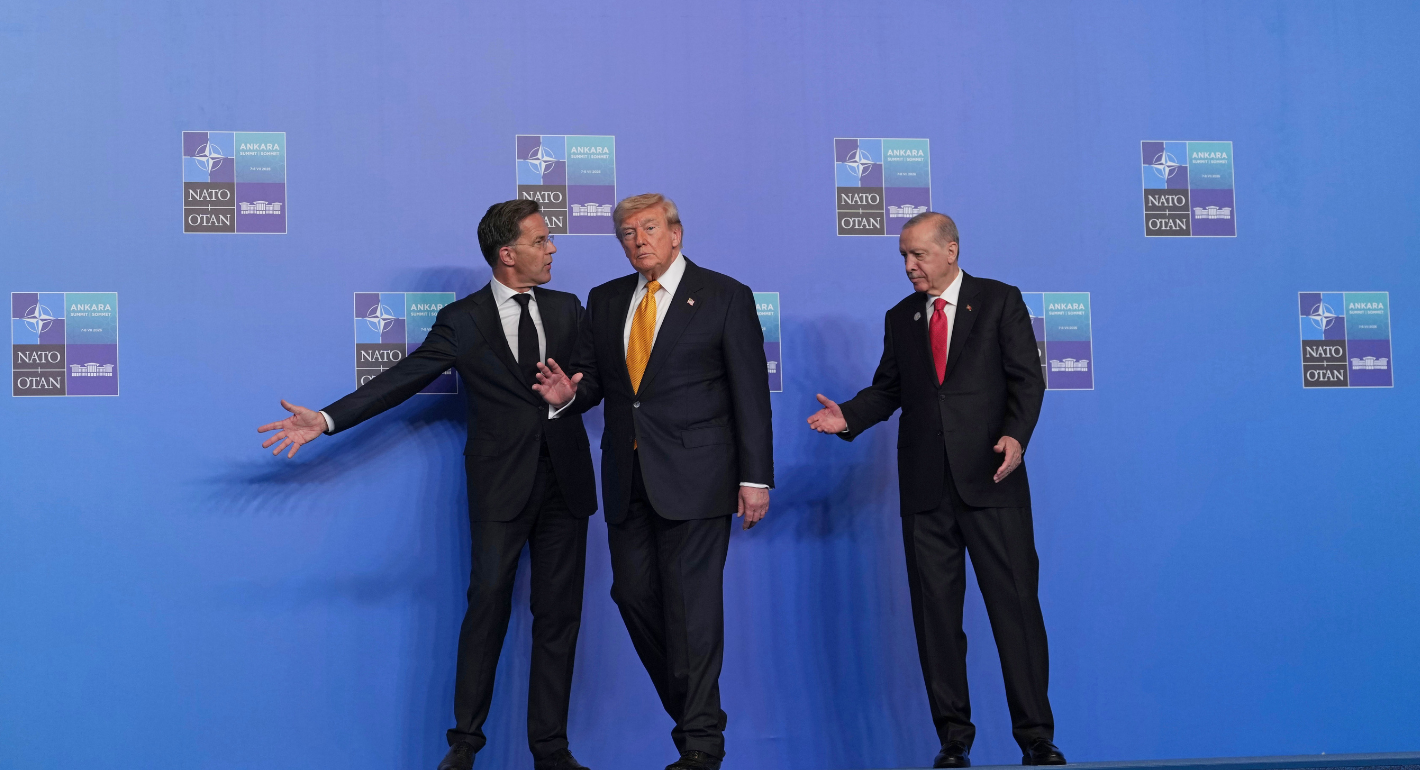
Nearly a year and a half after Europeans leaned into sucking up to Trump, the strategy has produced some benefits when it comes to Ukraine.

Rym Momtaz
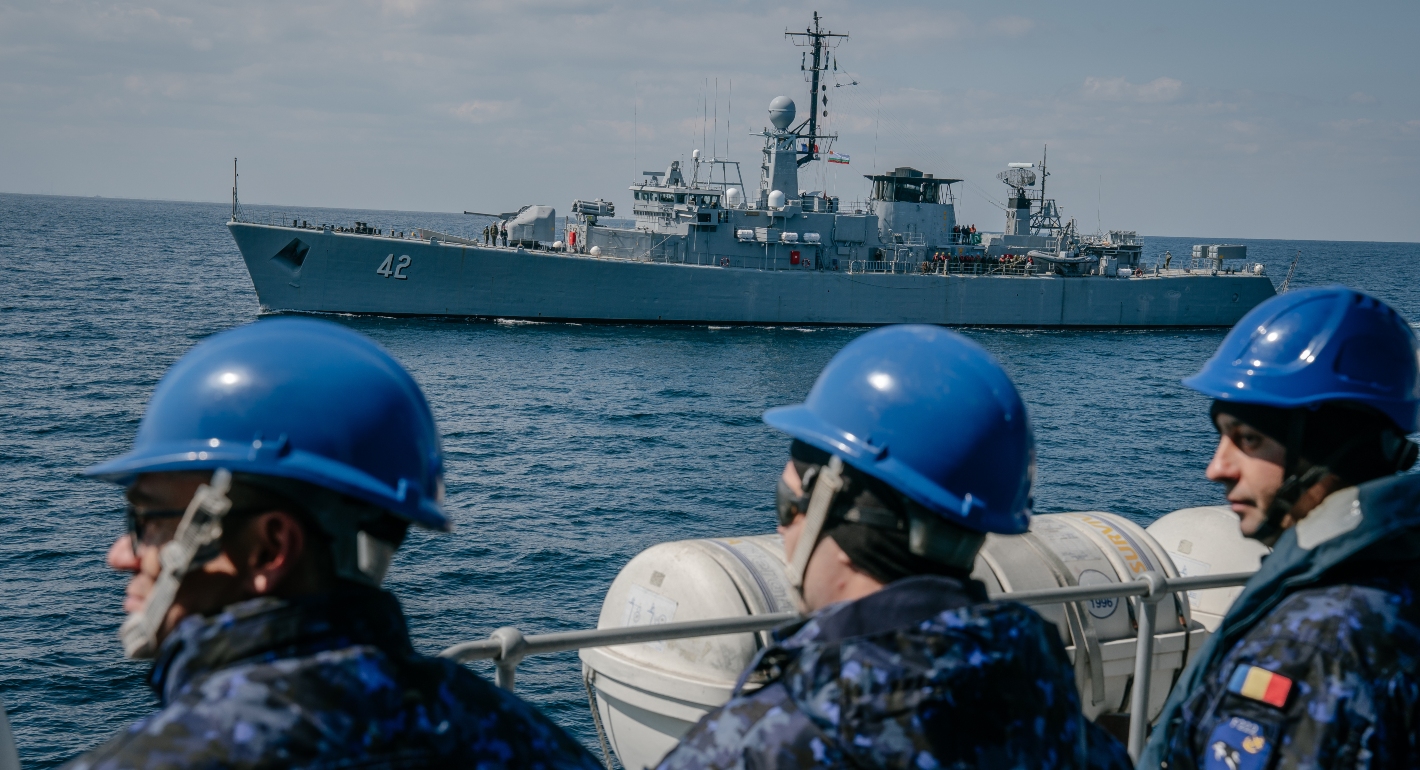
As Russia's war on Ukraine drags on, NATO is expanding its footprint in the Black Sea. Turkey, Romania, and Bulgaria are upgrading their fleets and deepening trilateral cooperation.

Dimitar Bechev
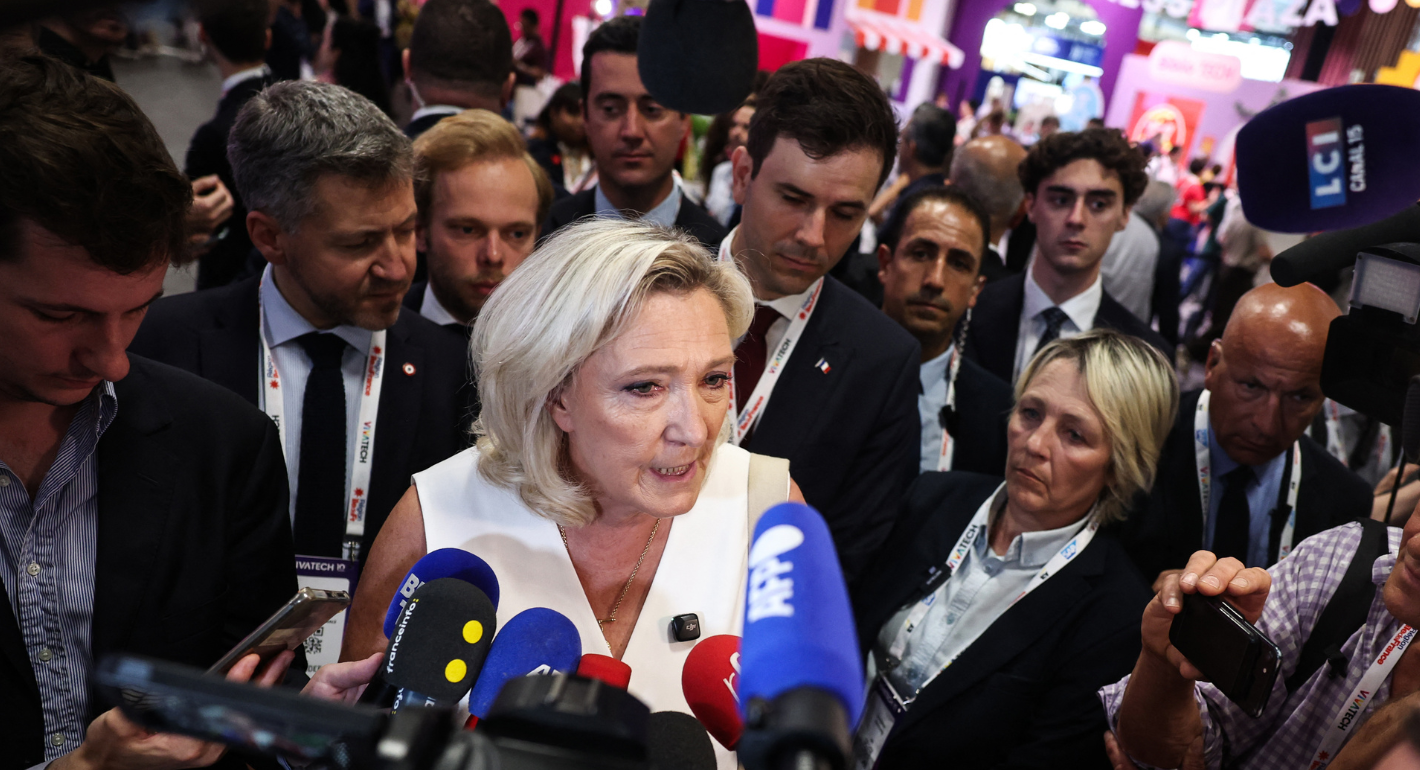
Far-right leader Marine Le Pen can—and will—run in France’s next presidential election. What does the outcome of her appeal against a 2025 embezzlement conviction mean for the country’s political future?

Catherine Fieschi

Morocco and Algeria, each in its own way, are having to navigate the global economic fallout of the U.S.-Israeli military campaign against Iran.

Yasmine Zarhloule
Despite Morocco’s hopes that its film industry would reap rewards, the blockbuster’s success will be tainted by controversy surrounding filming in occupied Western Sahara.

Sarah Yerkes