

Commentary
Medvedev’s defeat in the battle for the position of speaker appears to signal that the long process of his marginalization in Russian politics has passed the point of no return.
Andrey Pertsev
{
  "authors": [
    "Gao Zugui",
    "Dmitri Trenin"
  ],
  "type": "legacyinthemedia",
  "centerAffiliationAll": "",
  "centers": [
    "Carnegie Endowment for International Peace",
    "Malcolm H. Kerr Carnegie Middle East Center",
    "Carnegie Russia Eurasia Center"
  ],
  "collections": [],
  "englishNewsletterAll": "",
  "nonEnglishNewsletterAll": "",
  "primaryCenter": "Carnegie Russia Eurasia Center",
  "programAffiliation": "",
  "programs": [],
  "projects": [
    "Eurasia in Transition"
  ],
  "regions": [
    "Levant",
    "Syria"
  ],
  "topics": [
    "Political Reform"
  ]
}
Source: Getty
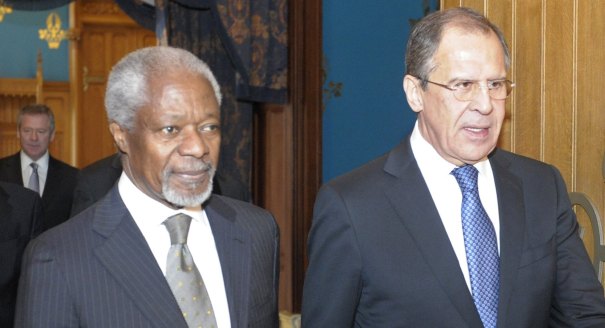
UN-Arab League envoy Kofi Annan is most likely looking to persuade Syria’s Bashar al-Assad to leave power and prevent a collapse of the Syrian state and civil war.
Source: Global Times

The US and Europe have modified their views of the Syrian opposition: They now acknowledge the fact that some sections of the opposition have links to Al Qaeda, and that other parts of the opposition are quite intolerant of the Alawites, the Christian Orthodox and other religious minorities.
Gao: The Kremlin's stance cannot be changed if the unilateral support from the West for the opposition groups in Syria continues. Of course, all parties are keen to see a peaceful outcome and put an end to the year-long crisis. However, they still have different and incompatible interests in the war-torn country.
Gao: China welcomes Annan's mediation and has always been calling for a peaceful transition in Syria. But in fact, no matter what kind of support Annan can get outside Syria, it is the conflicts within the country that are crucial, and at present there are no concessions on either side. As Russia and China oppose intervention, the West will still continue offering support to the opposition groups. This kind of support is not helpful to seal a ceasefire deal. However, they have to keep the opposition strong to put pressure on Assad. There is no solution that satisfies everyone.
Trenin: Annan's most important mission is in Syria, not in Beijing or Moscow. There is no guarantee that Annan will succeed in his efforts. Pressuring Assad into serious and meaningful concessions to the opposition is hard enough. However, making the opposition agree to something short of Assad's dismissal is much harder. The Syrian opposition is notoriously divided.
Annan can get Russian's and China's support in order to lean harder on Assad. To get the Western countries, Turkey and the Gulf Arab states to lean harder on the opposition will be much harder. They all promised too much to the opposition, and now will need to back down a clear embarrassment. Even if Washington, Paris and Ankara basically agree to do that, the Arab states may take a harder line.
Essentially, Annan is probably looking for something like the Yemen scenario. Like former Yemeni leader Ali Abdullah Saleh, Assad should be persuaded to leave power, but the collapse of the Syrian state should be prevented, and a civil war in Syria should be averted. It took a long time to achieve that goal in Yemen, and in Syria's case the difficulties of reaching a settlement are much higher.
Gao: Assad didn't take the opportunity earlier to compromise when the Arab League offered reconciliation.
Now the UN is involved but there is nothing new on the table to attract him to give up and make him go. What is more, unlike Yemen's Saleh, Assad is too young to have real control over the country. He cannot just step down on his own initiative as Saleh did.
Trenin: Assad's plan is not an ultimatum, as far as Assad is concerned. At some point, however, Assad will have to cede power - though seemingly voluntarily, not under overt pressure.
Without this, I see no settlement. Assad's agreement to depart, in return for important concessions from the opposition, is his biggest bargaining chip. It will not be given up too lightly or too early.
Trenin: I see little chance for Western military intervention in Syria for a number of reasons. Syria can fight back, and hit back, causing casualties among the attacking forces.
Libya, in contrast, could not do anything against the West. A war against Syria can affect Israel and destabilize neighbors such as Lebanon, Iraq and Jordan. There is no pressure on the Obama administration, internal or external, to intervene.
Obama, in an election year, does not need any new war in the region. He is trying hard to prevent Israel from striking at Iran.
This is Annan's chance. He can work with the Assad government and the opposition groups in Syria, and the principal outside powers, to come up with a Yemen-style solution. The odds are heavily against him, but it is still possible today to avert a full-scale civil war in Syria.
Gao: The West will not use military means to intervene with the Syria issue, at least not in a direct and public way like they did in Libya, since China and Russia vetoed on the previous UN resolution. Considering the deadlock between the authorities and the rebels, Annan's mediation efforts will be limited.
Gao Zugui
Former Director, Carnegie Moscow Center
Trenin was director of the Carnegie Moscow Center from 2008 to early 2022.
Carnegie does not take institutional positions on public policy issues; the views represented herein are those of the author(s) and do not necessarily reflect the views of Carnegie, its staff, or its trustees.
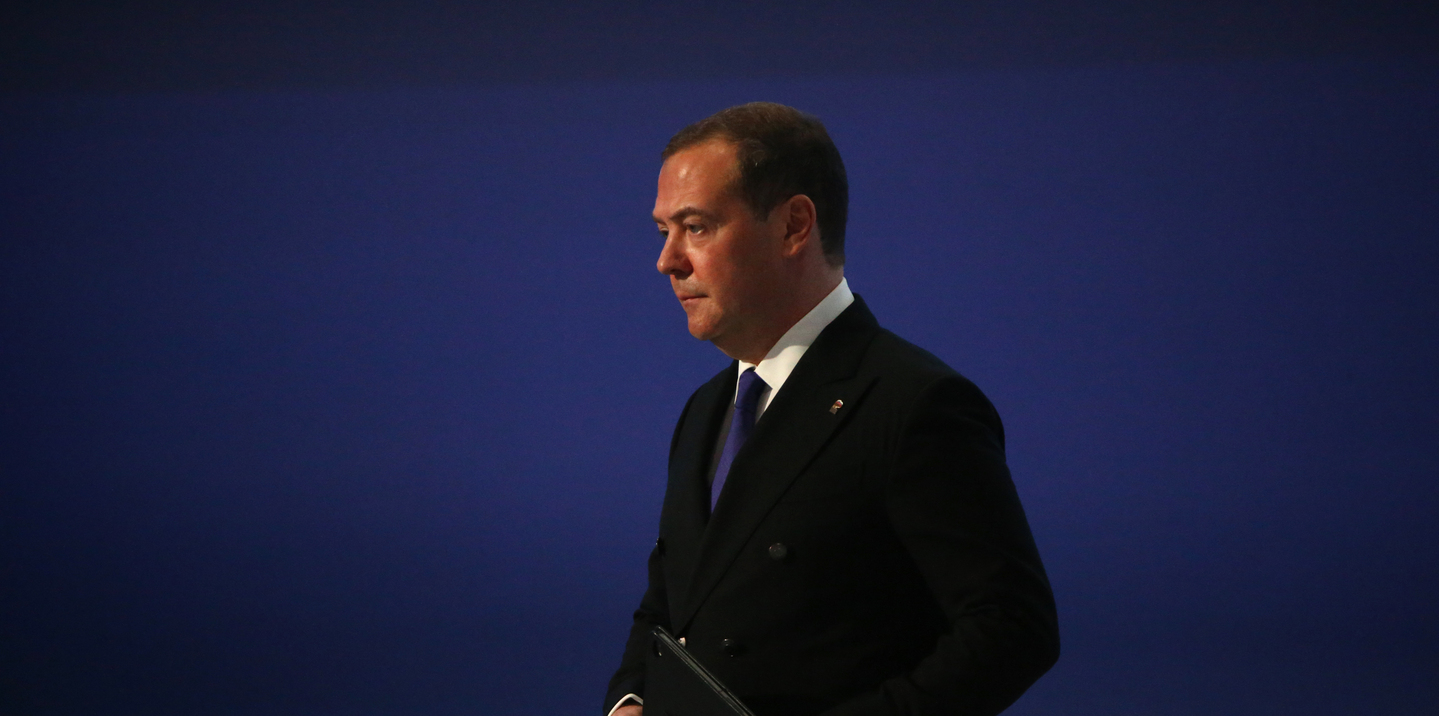
Medvedev’s defeat in the battle for the position of speaker appears to signal that the long process of his marginalization in Russian politics has passed the point of no return.

Andrey Pertsev
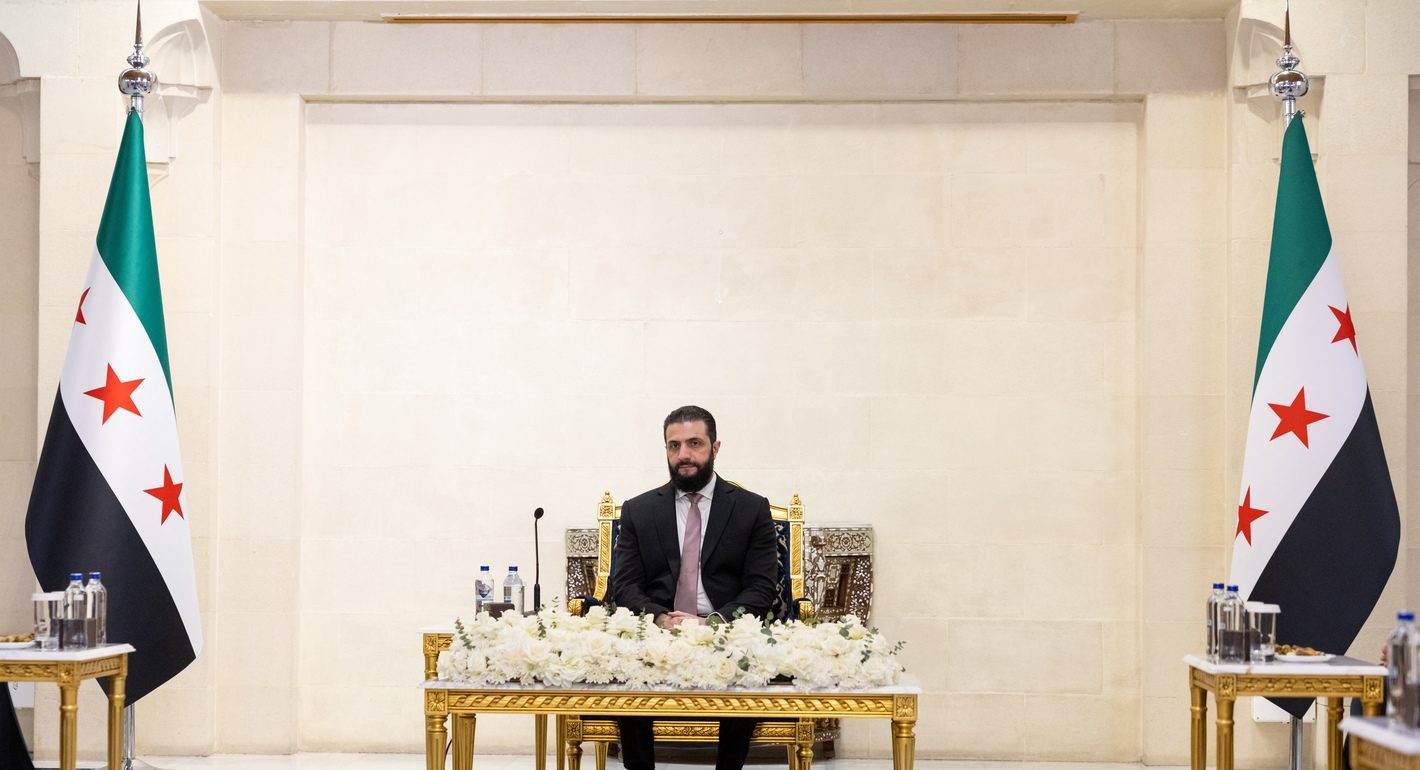
Syria's transition promised a fresh start. But are old habits of power making a comeback? This analysis looks at the warning signs and what it will take to build a more accountable state.
Sima Beitinjaneh
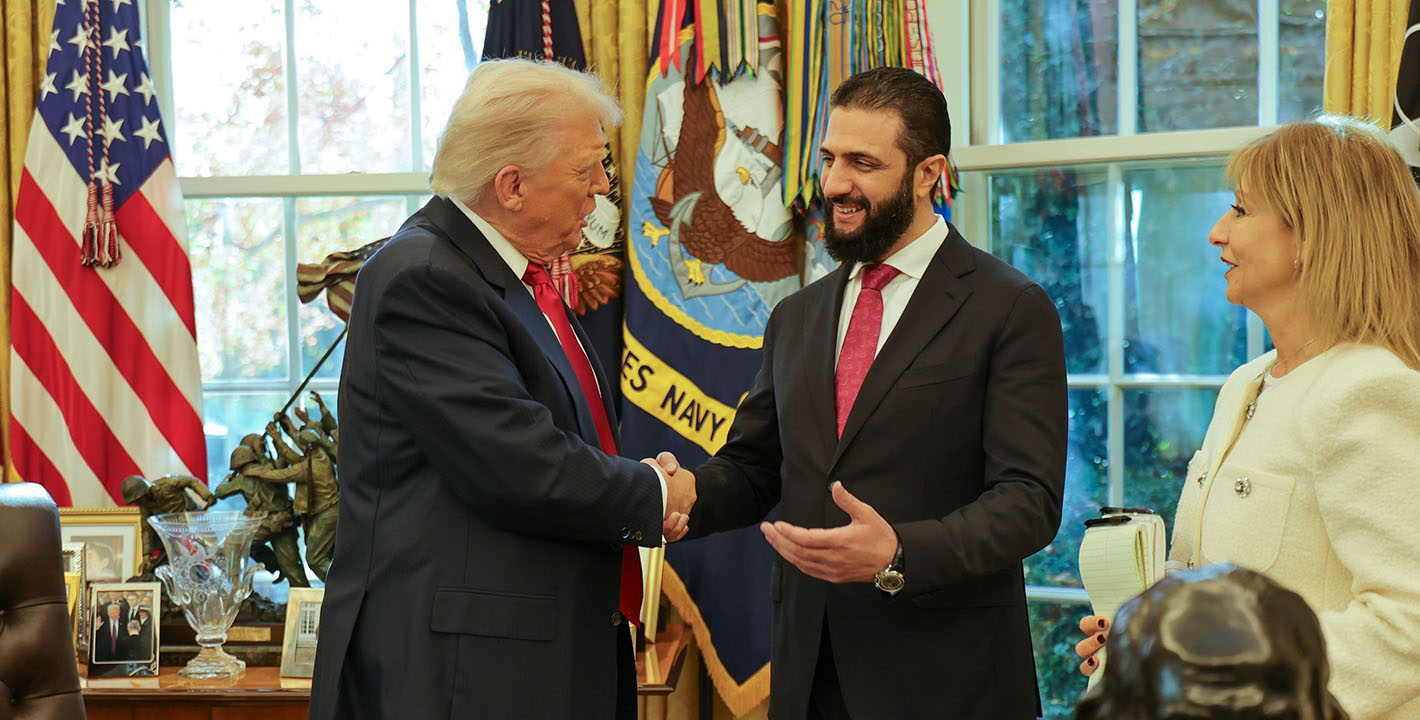
Any move by the United States to make good on Trump’s suggestion that Washington persuade Damascus to confront Hezbollah militarily would have catastrophic consequences.

Kheder Khaddour
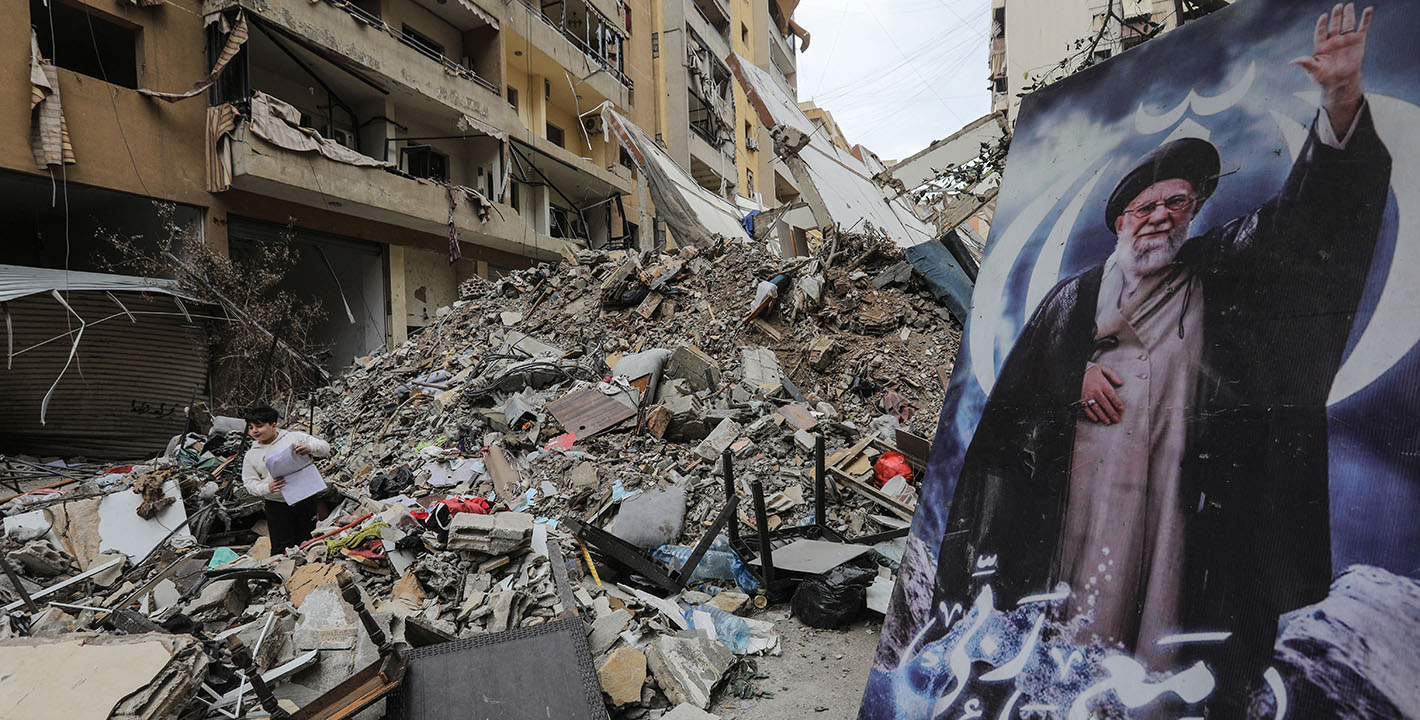
As talks begin between Washington and Tehran, Beirut has an opening to advance a regional plan for the party’s disarmament.

Michael Young
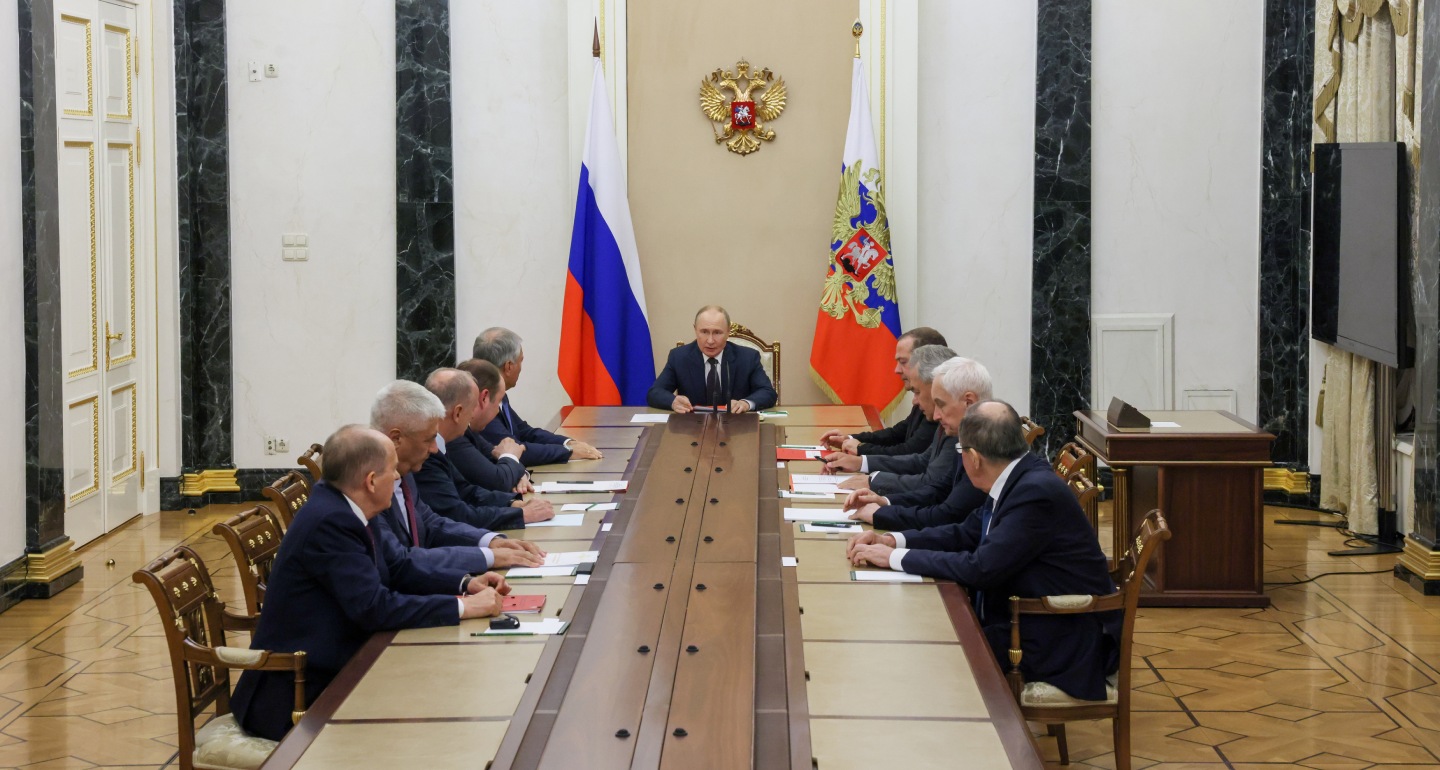
The ruling elites in contemporary Russia are not a political class, but a community of managers who are not subject to competition or public accountability. The state is becoming an operating apparatus without any internal autonomy.

Alexandra Prokopenko