

Commentary
Nathan J. Brown
{
  "authors": [
    "Nathan J. Brown"
  ],
  "type": "legacyinthemedia",
  "centerAffiliationAll": "dc",
  "centers": [
    "Carnegie Endowment for International Peace",
    "Malcolm H. Kerr Carnegie Middle East Center"
  ],
  "collections": [
    "Arab Awakening"
  ],
  "englishNewsletterAll": "menaTransitions",
  "nonEnglishNewsletterAll": "",
  "primaryCenter": "Carnegie Endowment for International Peace",
  "programAffiliation": "MEP",
  "programs": [
    "Middle East"
  ],
  "projects": [],
  "regions": [
    "North Africa",
    "Egypt"
  ],
  "topics": [
    "Political Reform"
  ]
}
Source: Getty
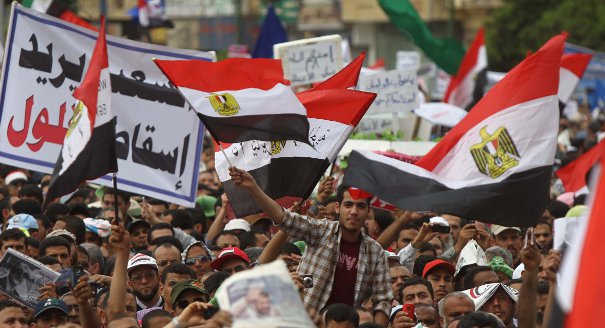
The rapid developments over the past month have shown that legal and constitutional loopholes have the potential to seriously undermine Egypt’s democratic transition.
Source: Foreign Policy

There are, to be sure, some rules. In the seven weeks following former President Hosni Mubarak's forced departure last year, a series of policy statements by the Supreme Council of the Armed Forces (SCAF), a set of constitutional amendments developed by an ad hoc committee appointed by the SCAF and approved in a referendum, and a "constitutional declaration" drafted secretly and proclaimed by the SCAF collectively laid out a set of procedures for rebuilding the Egyptian political order. Those procedures have largely been followed. But they have led Egypt into a state of complete confusion.
The combination of eccentric elements (such as the disqualification of anyone whose parents ever held foreign citizenship from the presidency) and unexpected gaps and omissions (such as the failure to specify any sequence of presidential elections and constitution writing or the silence on the ways in which the parliament was authorized to exercise oversight of the cabinet) scattered a series of landmines throughout the path. Making things worse was the way in which critical administering, governing, and adjudicating bodies were (or have come to be seen) as deeply interested or partisan actors -- the parliament as the arm of Islamists, the SCAF as wedded to a set of political and material interests, the State Council as willing to seize any opportunity to pursue its ambitious understanding of its judicial role, and even the presidential election commission as a body headed by the constitutional court's chief justice, a figure seen as close to the military and security establishment. And the postponement of critical questions -- security sector reform, for instance -- has aggravated matters still further.Yes, there are rules. But if the word "process" has any meaning left, it cannot be applied to Egyptian politics today.
Perhaps "landmines" is the wrong explosive metaphor. Instead, since all of these problems were laid down a year ago, one might better turn to Anton Chekhov's advice to dramatists: "If in the first act you have hung a pistol on the wall, then in the following one it should be fired." The second act of Egypt's revolution consists not of a single gunshot, however. In the past few weeks, Egyptians have broken into the armory so heavily stocked a year ago and shot off all pistols at once.
So who hung all the pistols on Egypt's walls? Here is where the Chekovian metaphor breaks down because there is no playwright in sight. Nobody put the rich set of weapons there with any clear plot in mind, reigning speculation notwithstanding. But three parties seem to have done most of the work.
First, the eight-member committee that hurriedly drafted the constitutional amendments at the core of the "process" was very restricted in its focus and therefore developed proposals that left key questions unanswered. But while handpicked by the SCAF, it does not seem to have been doing the SCAF's bidding in any mechanical sense. In personal interviews I conducted, two members were very explicit (and consistent with each other) on the minimal guidance they received from Egypt's interim military rulers. There were certain articles they were asked to amend but not in any clear way; there were also a few other amendments that they offered at their own initiative.
Second, the revolutionary leaders were so elated last February by Mubarak's departure that they did not contest SCAF control for a considerable period. By all appearances, they really believed that the army and people were "one hand" until it was too late to dislodge the army from playing an overbearing role. When the revolutionaries finally developed a serious (and likely wise) proposal for an interim presidency council to rule the country instead of the SCAF, they pursued it in no coherent manner. And they coupled it with an attempt to delay elections on the explicit (and excessively honest) argument that the Islamists would likely do well as soon as Egyptians went to the polls. By seeking to delay voting on such blatantly partisan grounds, they contributed to a polarized situation (a contribution soon matched by the Islamists) which has made a more consensual approach virtually impossible.
Finally, the lion's share of responsibility lies with the SCAF's generals who pursued an approach that was politically and legally incoherent. It was not one that has always served their interests very well, but they have been powerless to change it (as was clearly demonstrated by the failure of an apparent -- and audacious -- attempt to parachute in some "supraconstitutional principles" serving the SCAF's vision last fall).
Hope for a transition to a more pluralist and democratic Egypt has certainly not died. Egypt's saving graces -- the fact that the gunfire is mostly metamorphic; the continued strength of its political institutions, however deeply corrupted and implicated many are; and the inability of any single political actor to dominate the country -- may still carry it through.
But the lack of any controlling process or authority may make Egypt's political actors feel a bit like they are not only living in a Chekhov drama or deafened by the volley at the OK Corral but also as if they are trapped in Luigi Pirandello's "Six Characters in Search of an Author."

Nonresident Senior Fellow, Middle East Program
Nathan J. Brown, a professor of political science and international affairs at George Washington University, is a distinguished scholar and author of nine books on Arab politics and governance, as well as editor of five books.
Recent Work
Nathan J. Brown
Nathan J. Brown
Carnegie does not take institutional positions on public policy issues; the views represented herein are those of the author(s) and do not necessarily reflect the views of Carnegie, its staff, or its trustees.
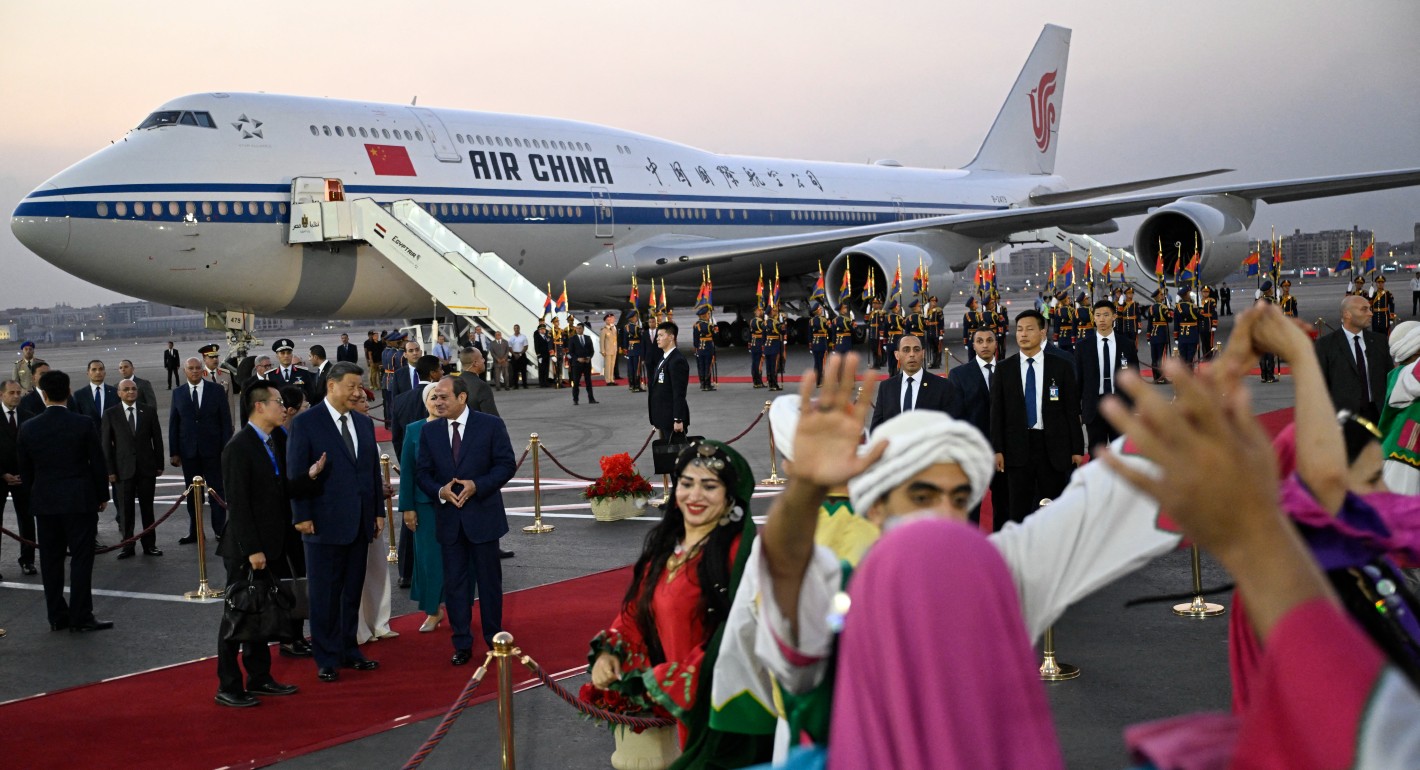
Amid celebrations of bilateral ties was a deeper focus on stability in the Middle East.

Amr Hamzawy
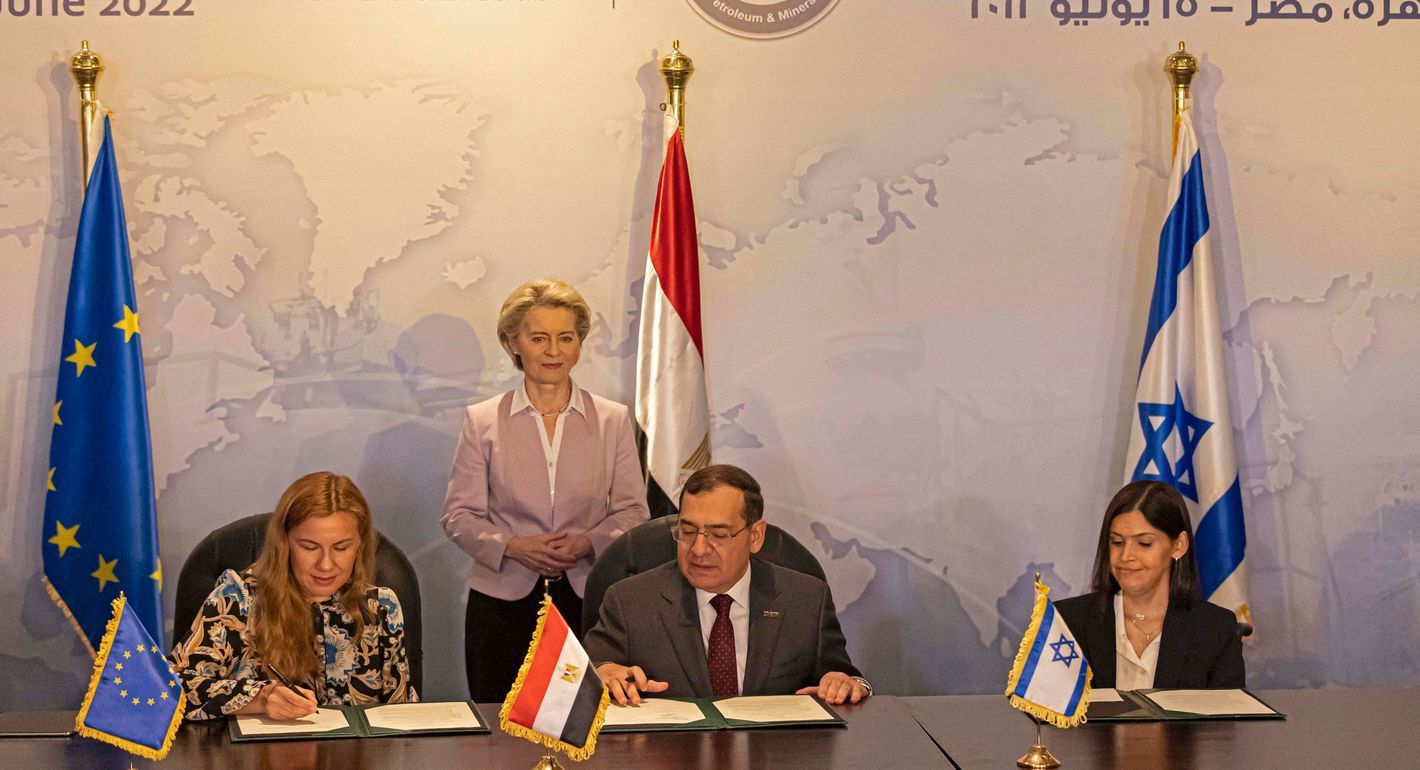
Can economic ties help contain conflict between Egypt and Israel, or do they simply postpone confrontation? Drawing on the German-Russian experience, the article examines how the gas deal creates mutual dependence, keeps channels of cooperation open, and raises the cost of conflict, without necessarily delivering lasting peace.
Nourhan Hefzy

The greater threat to Zelensky comes not from Fedorov alone, but from the convergence between the former defense minister’s political campaign and the anti-corruption investigations moving ever closer to the presidential administration.

Balázs Jarábik
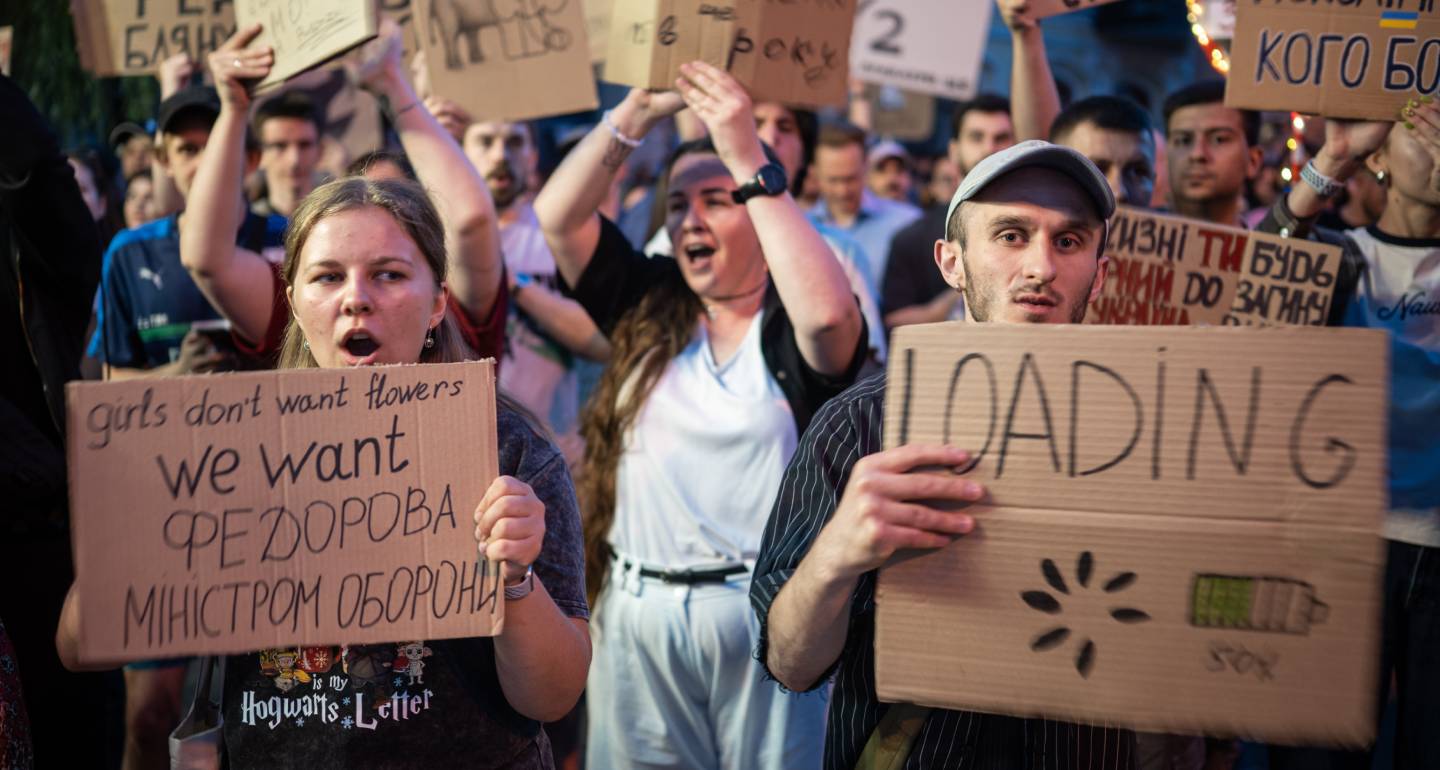
With his public call for new elections in Ukraine, ex-defense minister Mykhailo Fedorov has opened Pandora’s box.

Konstantin Skorkin

In the discussions made possible by the State Duma election campaign, one question is being asked more and more loudly. “What next?”

Andrey Pertsev