

Commentary
Nikolay Petrov
{
  "authors": [
    "Nikolay Petrov"
  ],
  "type": "legacyinthemedia",
  "centerAffiliationAll": "",
  "centers": [
    "Carnegie Endowment for International Peace",
    "Carnegie Russia Eurasia Center"
  ],
  "collections": [],
  "englishNewsletterAll": "",
  "nonEnglishNewsletterAll": "",
  "primaryCenter": "Carnegie Russia Eurasia Center",
  "programAffiliation": "",
  "programs": [],
  "projects": [],
  "regions": [],
  "topics": []
}
Source: Getty
Though political reforms in Russia are likely to be weakened even further and gubernatorial elections will be restricted by additional limits, the popular push for democracy continues to grow.
Source: The Moscow Times

In early April, two governors, two regional Duma speakers and four mayors appealed to the president at his Gorki residence to introduce a regional filter for gubernatorial elections in addition to the presidential filter already in place. They presented their request as being motivated by their zeal for the common good, the idea being that unworthy candidates should be eliminated.
This charade was staged to help Medvedev save face. Anyone who interprets these events as meaning that the "liberal" Medvedev is struggling against dark political forces should take note that the president himself added two lines that significantly undermined his own proposed reforms.First, each municipal deputy can support only one gubernatorial candidate — a measure that invalidates the argument that a new filter is needed to cull out unwanted gubernatorial candidates.
Second, authorities want to consolidate the two election days per year to one unified election day for all of the country's races. The only problem is that the proposed day will be in early September. The tactical goal is to push back gubernatorial elections one year, and the strategic goal is to hold elections on the sly, when many people are away on holiday. This is exactly the trick St. Petersburg authorities pulled last year when Valentina Matviyenko, now the Federation Council speaker, was elected during the height of the vacation season in two small, easily controllable municipalities.
It seems likely that we will get presidential filters in one form or another, despite the fact that it violates the basic principles of federalism. For a country such as Russia that claims to be governed by the rule of law, it sounds more than a little strange for Duma deputies to announce that "the president should definitely have the right to veto the nomination of gubernatorial candidates, including those who could threaten national security because of their links to extremist organizations." By the way, these statements are being made by the same people who in 2004 paved the way for the appointment of governors by arguing that it was necessary after the Beslan school terrorist attack to prevent criminals and feckless populists from coming to power.
By creating yet another system designed to orchestrate election results in hopes of keeping this or that governor in office, the Kremlin is making the mistake of giving greater importance to short-term results than to the long-term benefits of the democratic process itself. But even this approach is a blessing in disguise. On the one hand, governors under the new system would have to travel to municipalities to engage in a dialogue with local politicians. On the other hand, all candidates — even those whom the new system would prevent from registering — will have a guaranteed audience among municipal deputies.
In the end, however, this strategy will surely backfire. Kremlin-backed candidates, including incumbent governors, will inevitably lose an increasing number of elections — not necessarily because they are opposed by strong rivals, but for the simple reason that voters are tired of this regime and its incessant desire to remain in power for as long as possible.
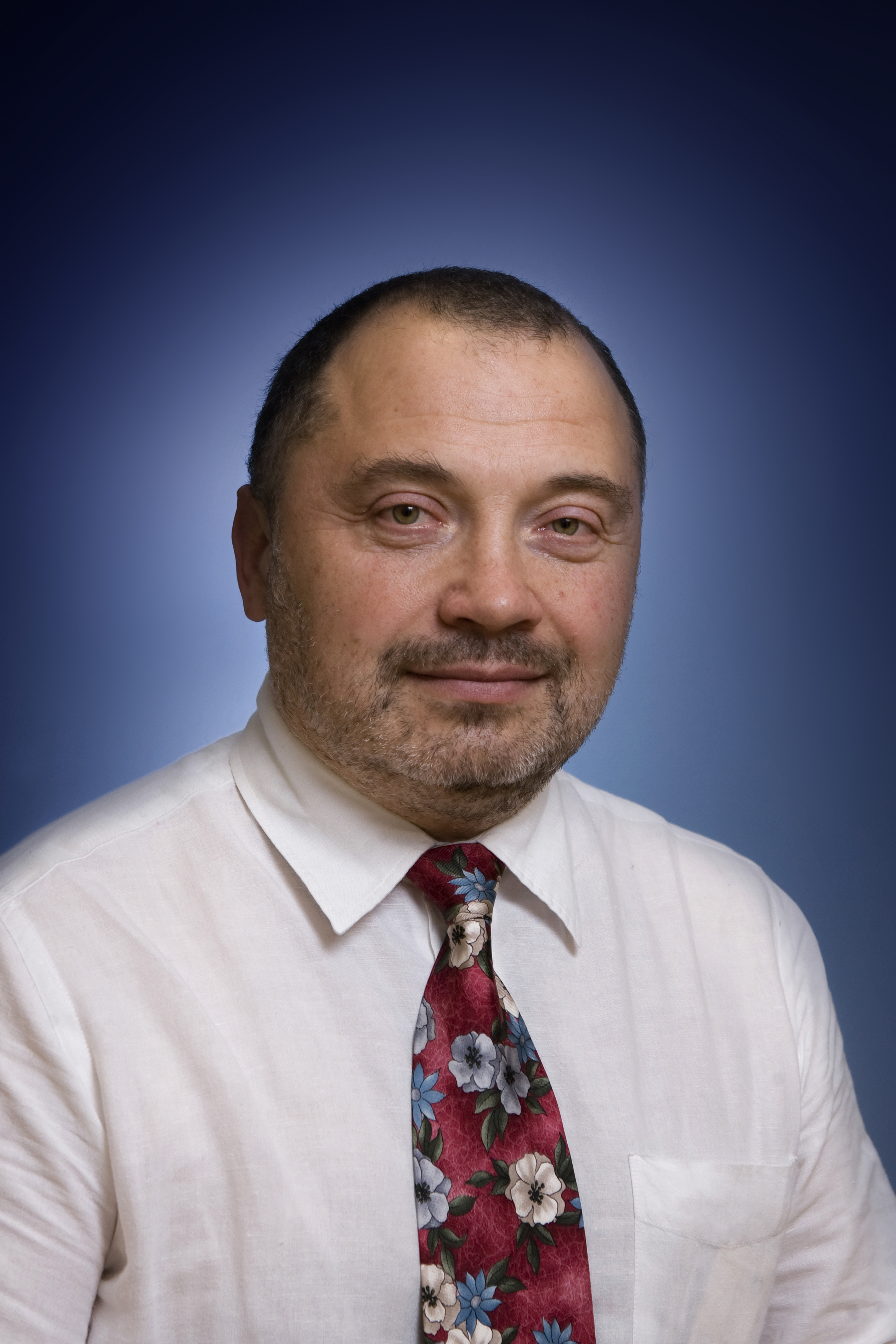
Former Scholar-in-Residence, Society and Regions Program, Moscow Center
Nikolay Petrov was the chair of the Carnegie Moscow Center’s Society and Regions Program. Until 2006, he also worked at the Institute of Geography at the Russian Academy of Sciences, where he started to work in 1982.
Recent Work
Nikolay Petrov
Nikolay Petrov
Carnegie does not take institutional positions on public policy issues; the views represented herein are those of the author(s) and do not necessarily reflect the views of Carnegie, its staff, or its trustees.