

Commentary
Scholars from eight Southeast Asian countries provide their takes on the impact of China’s Belt and Road Initiative in their countries for the past decade.
- +5
Pongphisoot (Paul) Busbarat, Alvin Camba, Fadhila Inas Pratiwi, …
{
  "authors": [
    "Dmitri Trenin",
    "Feng Shaolei"
  ],
  "type": "legacyinthemedia",
  "centerAffiliationAll": "",
  "centers": [
    "Carnegie Endowment for International Peace",
    "Carnegie China",
    "Carnegie Russia Eurasia Center"
  ],
  "collections": [
    "China’s Foreign Relations"
  ],
  "englishNewsletterAll": "",
  "nonEnglishNewsletterAll": "",
  "primaryCenter": "Carnegie Russia Eurasia Center",
  "programAffiliation": "",
  "programs": [],
  "projects": [
    "Eurasia in Transition"
  ],
  "regions": [],
  "topics": []
}
Source: Getty
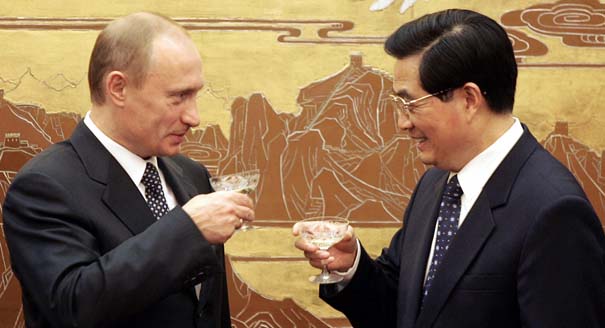
Putin’s visit to China is important for both China and Russia, but if the two countries wish to strengthen their bilateral relations, Moscow and Beijing need to work to enhance trust and build a long-term strategy of mutual cooperation.
Source: China Radio International's People In the Know

China and Russia have enjoyed good momentum in the development of their bilateral relations and President Putin's visit is widely expected to take Sino-Russian relations to a new level.
On the China Radio International, Carnegie Moscow Center’s Dmitri Trenin spoke about Putin’s trip to China. He was joined by Feng Shaolei, director of the Center for Russian Studies at East China Normal University. Trenin said that Putin’s visit to China is important for both China and Russia, as the two countries face a number of shared problems. The two countries can cooperate in different spheres because the Chinese and Russian leaderships have the same political philosophy based on the principles of sovereignty and non-interference. However, Trenin added, Russia and China shouldn't be seen as an opposition to the West, as the relations with the European Union and the United States are among top priorities of the both countries. Trenin stressed that to strengthen bilateral relations, the Russian and Chinese authorities need to enhance trust and build up a long-term strategy of cooperation between the two countries.
Former Director, Carnegie Moscow Center
Trenin was director of the Carnegie Moscow Center from 2008 to early 2022.
Feng Shaolei
Carnegie does not take institutional positions on public policy issues; the views represented herein are those of the author(s) and do not necessarily reflect the views of Carnegie, its staff, or its trustees.
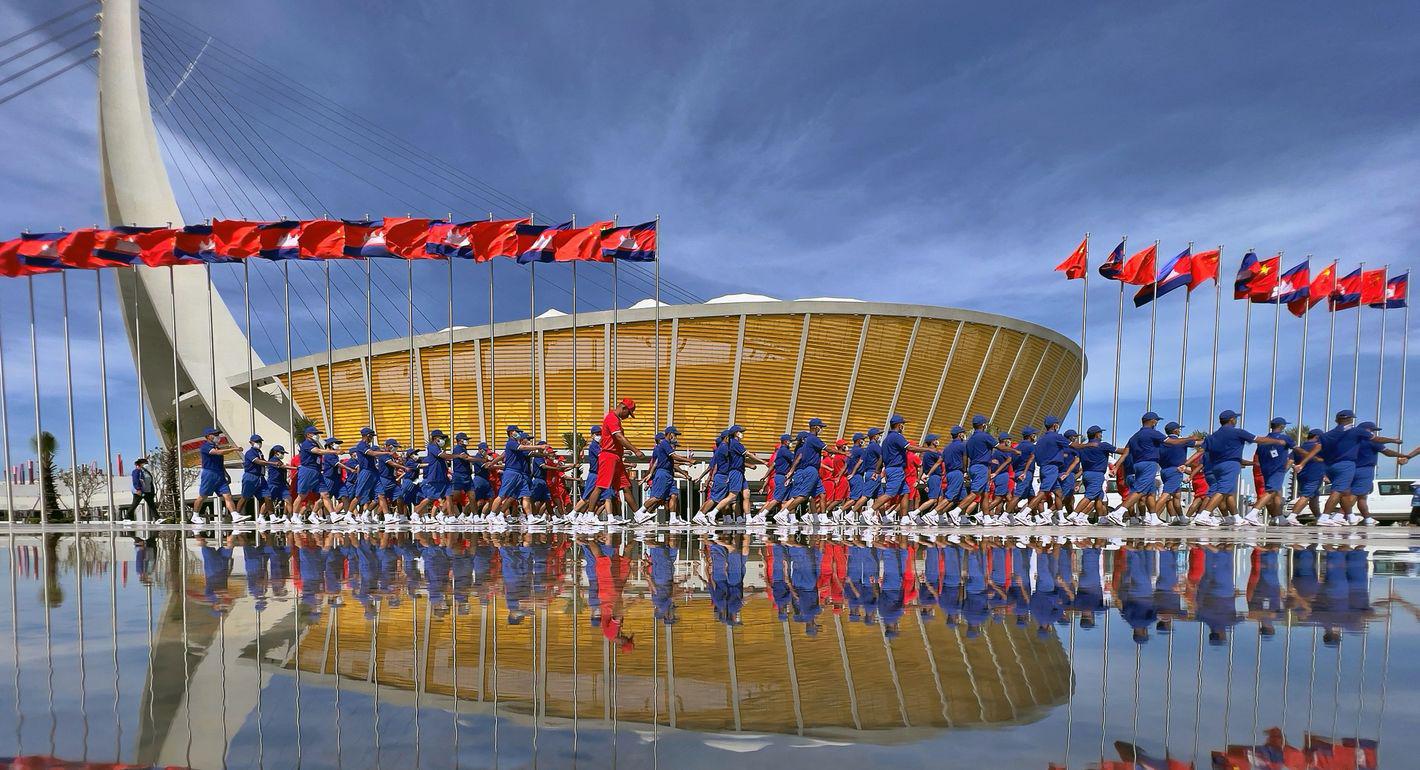
Scholars from eight Southeast Asian countries provide their takes on the impact of China’s Belt and Road Initiative in their countries for the past decade.



Pongphisoot (Paul) Busbarat, Alvin Camba, Fadhila Inas Pratiwi, …

As the world undergoes a new round of fragmentation and major power rivalry that includes the advancing of divergent visions of global order, Singapore is discovering that its interests are increasingly being pulled in different directions.

Chong Ja Ian
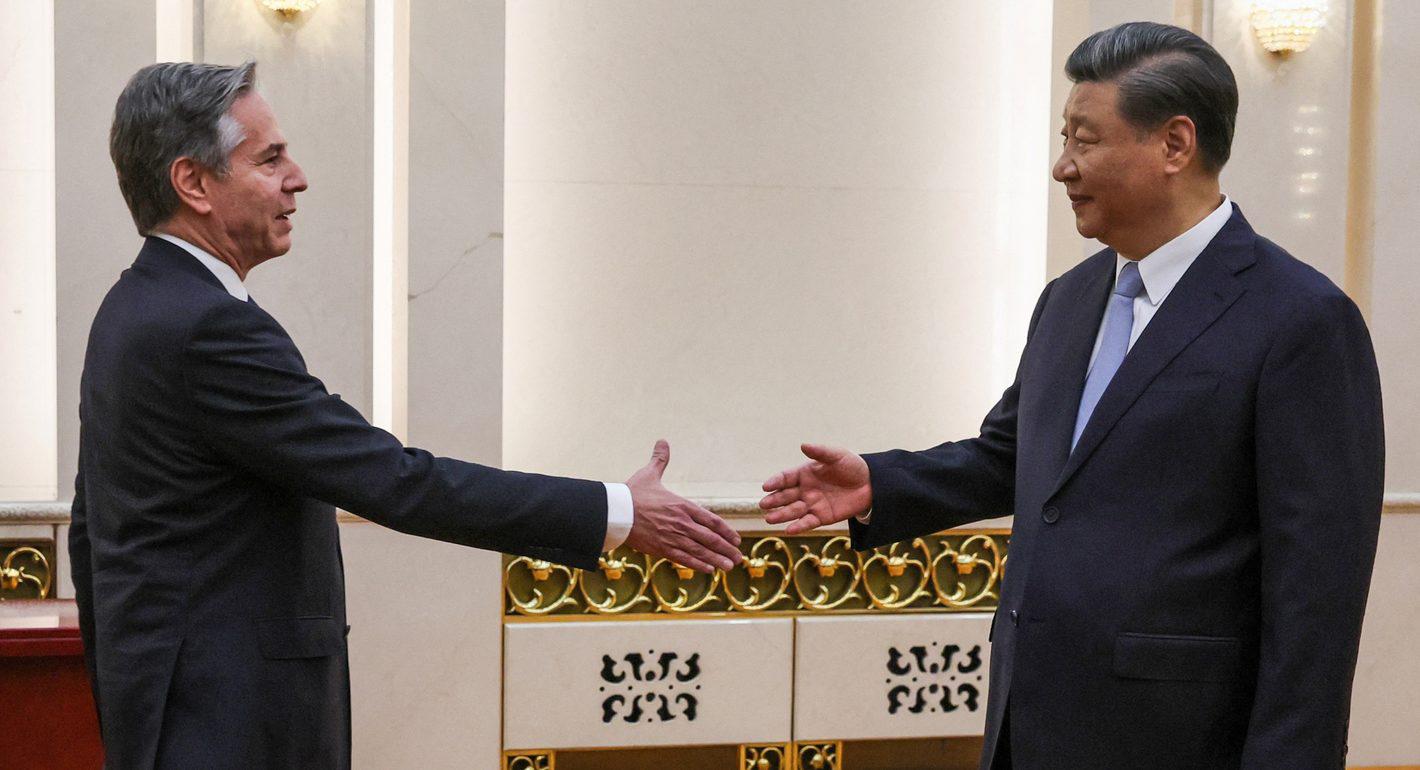
A fragile reconnection in U.S.-China diplomacy presents an opportunity to begin to set the terms of strategic competition.


Paul Haenle, Evan S. Medeiros, Chong Ja Ian, …
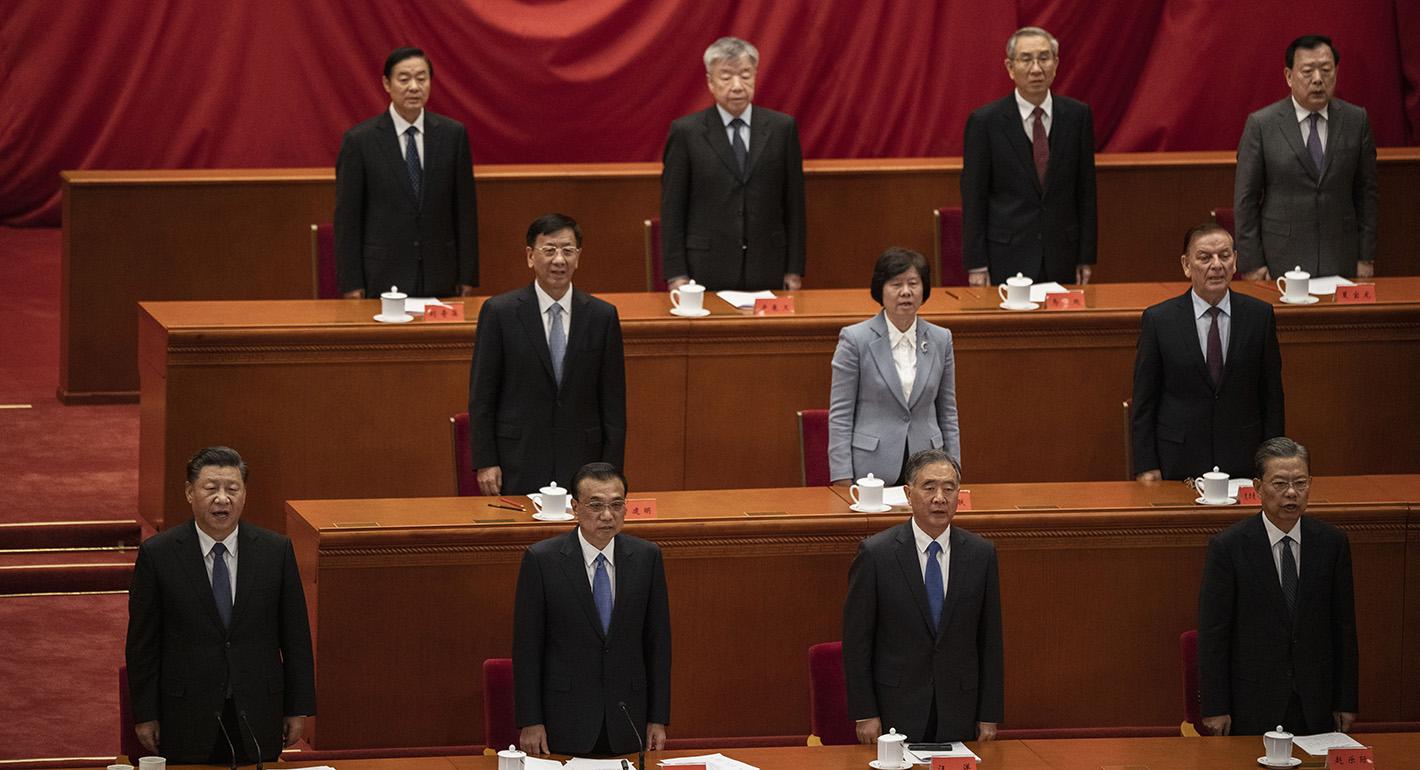
This article distills several potential principles for Beijing to adopt in its competition with the United States, including two each in the following three areas: Marxism, traditional Chinese culture, and China’s historical experiences since 1949.
Jie Dalei
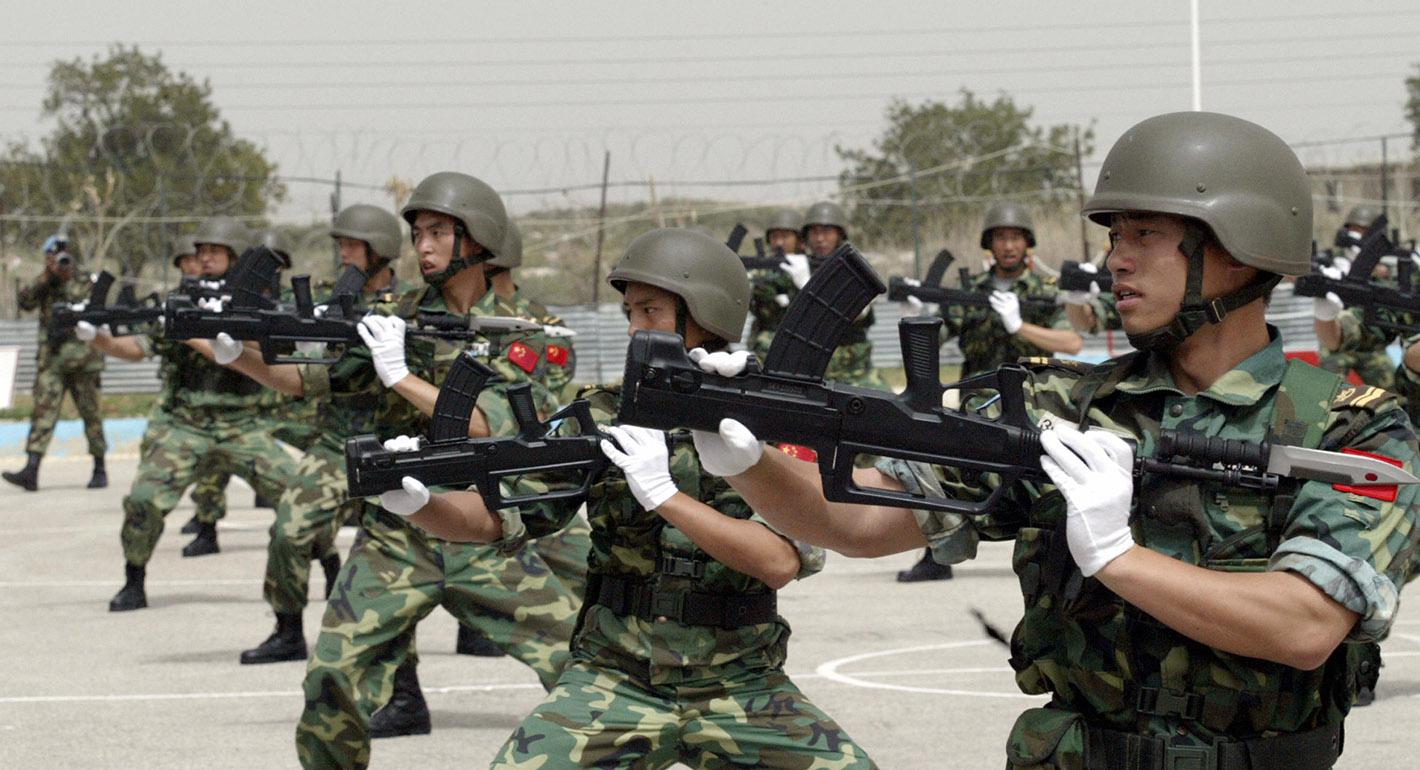
As China’s engagement with African countries has grown over the past several years, Beijing is increasingly turning to security contractors to protect its Belt and Road Initiative projects, citizens, and diplomats.
Paul Nantulya