

Commentary
The Bureau of Industry and Security needs to adjust its focus and practices to maintain its position as the U.S. government’s primary champion of international technological competition.
Geoffrey Irving
{
  "authors": [
    "Milan Vaishnav",
    "Justin Sandefur"
  ],
  "type": "legacyinthemedia",
  "centerAffiliationAll": "dc",
  "centers": [
    "Carnegie Endowment for International Peace"
  ],
  "collections": [],
  "englishNewsletterAll": "ctw",
  "nonEnglishNewsletterAll": "",
  "primaryCenter": "Carnegie Endowment for International Peace",
  "programAffiliation": "SAP",
  "programs": [
    "South Asia"
  ],
  "projects": [],
  "regions": [
    "North America",
    "South America"
  ],
  "topics": [
    "Economy"
  ]
}
Source: Getty
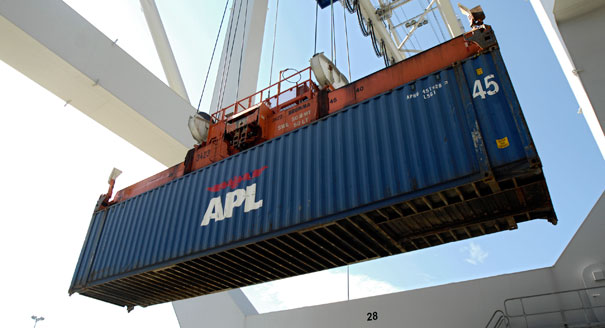
Honduras has altered its constitution to open the way to building a new “Special Economic Zone," but this charter city raises some important questions.
Source: Center for Global Development

CGD has close ties to this idea. Romer is a CGD non-resident fellow, and CGD president Nancy Birdsall and senior fellow Michael Clemens are both associated with the Transparency Commission that will oversee the Honduran experiment. CGD does not take institutional positions though, and as anyone who’s visited an internal seminar or staff lunch knows, there’s room for vigorous debate.
Back in April, the members of the Transparency Commission met here in DC, and over lunch CGD staff had a chance to hear them explain their ideas for the city and ask questions. Since then, there’s been an active debate in the hallways here about the charter city model. We want to take that debate into the public domain. To kick things off, here are three questions that we think proponents of the Honduran initiative need to grapple with.
Our musings on these questions got a bit long for the blog, so we’ve posted them as a CGD essay where we explain some of our concerns in more detail and offer a couple of ideas to address them.
This article originally appeared at the Center for Global Development.

Director and Senior Fellow, South Asia Program
Milan Vaishnav is a senior fellow and director of the South Asia Program and the host of the Grand Tamasha podcast at the Carnegie Endowment for International Peace. His primary research focus is the political economy of India, and he examines issues such as corruption and governance, state capacity, federalism, and electoral behavior. He also conducts research on the Indian diaspora.
Justin Sandefur
Center for Global Development
Carnegie does not take institutional positions on public policy issues; the views represented herein are those of the author(s) and do not necessarily reflect the views of Carnegie, its staff, or its trustees.

The Bureau of Industry and Security needs to adjust its focus and practices to maintain its position as the U.S. government’s primary champion of international technological competition.

Geoffrey Irving

Depleted financial reserves and a shrinking tax base mean it is no longer possible to simultaneously deliver high defense spending, price stability, and economic growth.

Alexandra Prokopenko
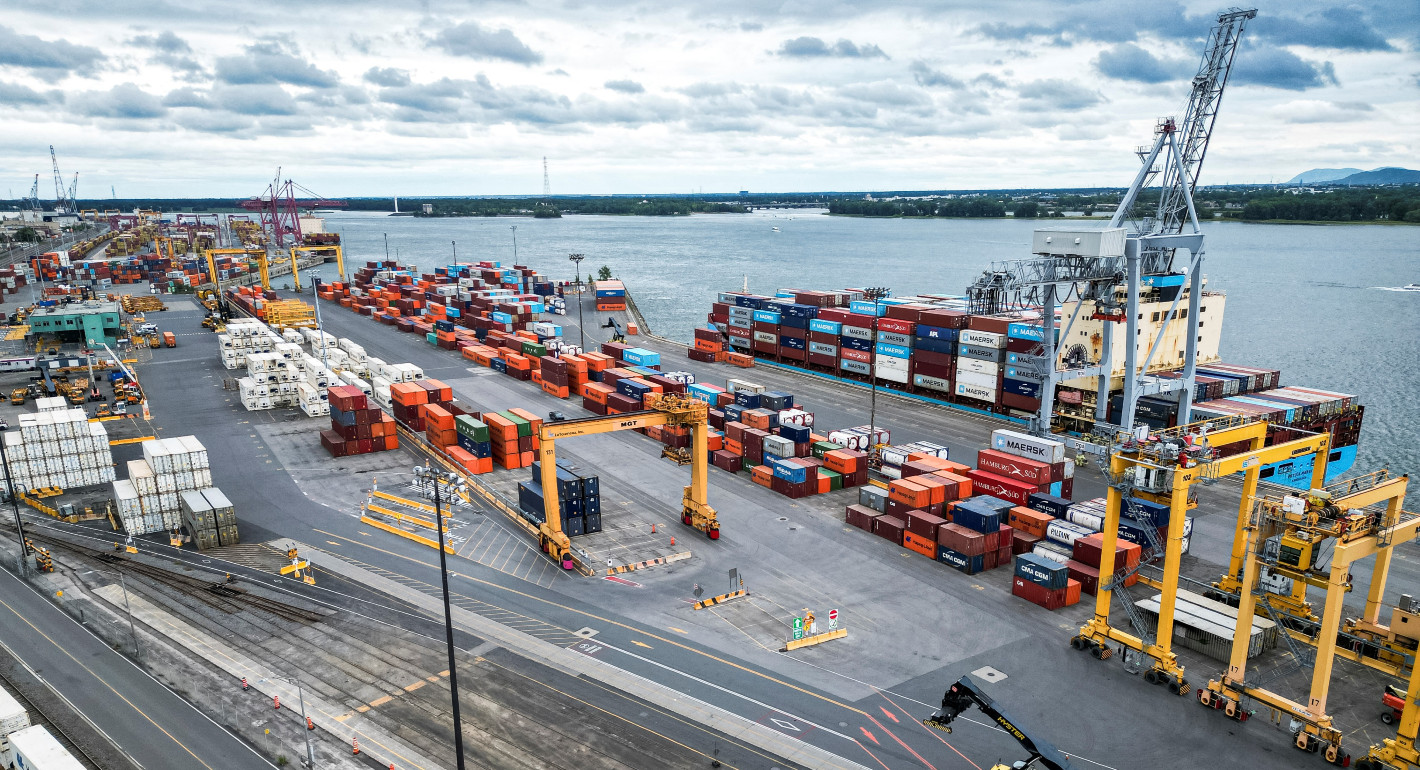
U.S. trading partners in Asia are closely watching the dispute for signs of how it may affect their own interests.
Barbara Weisel
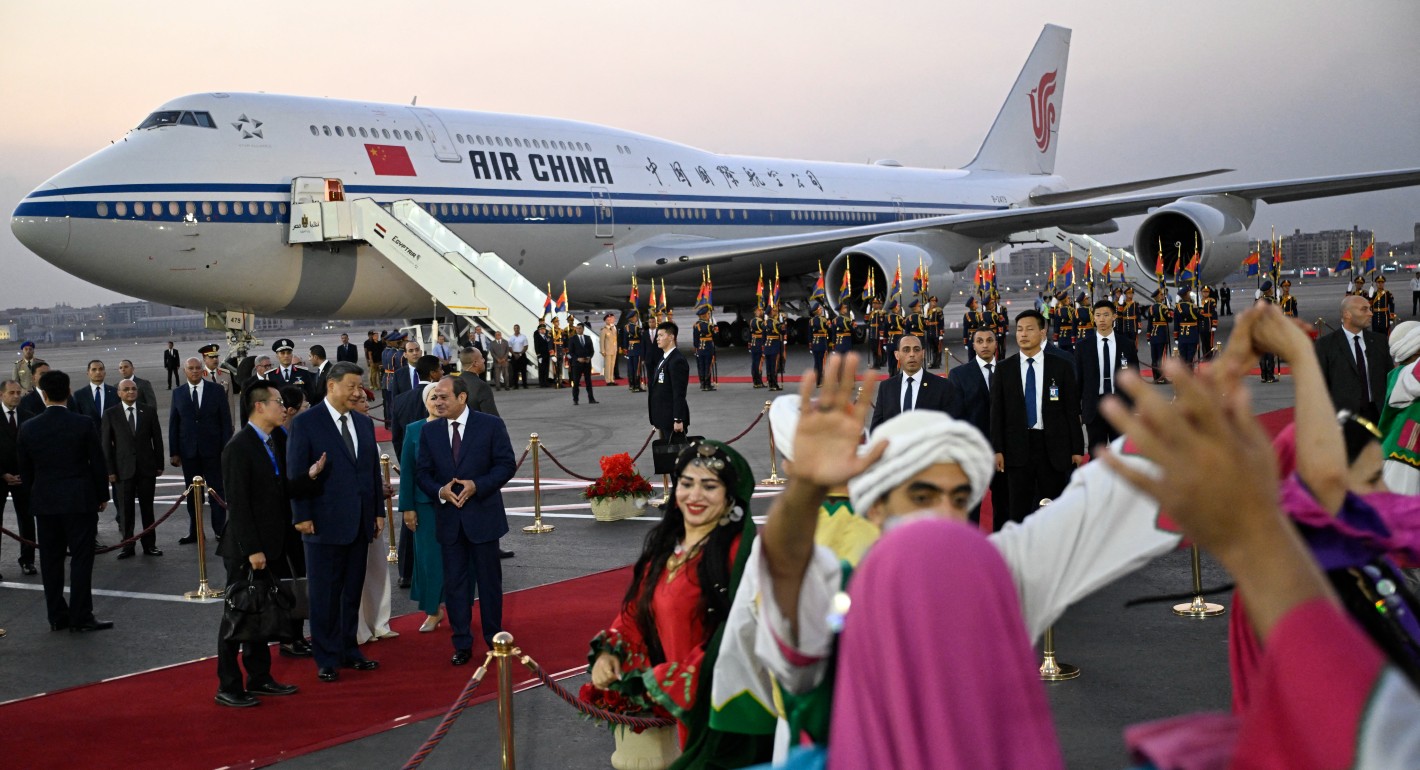
Amid celebrations of bilateral ties was a deeper focus on stability in the Middle East.

Amr Hamzawy
Xi, Putin, and other regional leaders are back-slapping in Bishkek, but the SCO has yet to answer the most serious questions about continental Asia's economic future.

Evan A. Feigenbaum